Superego (after Freud), 2024 (selection)
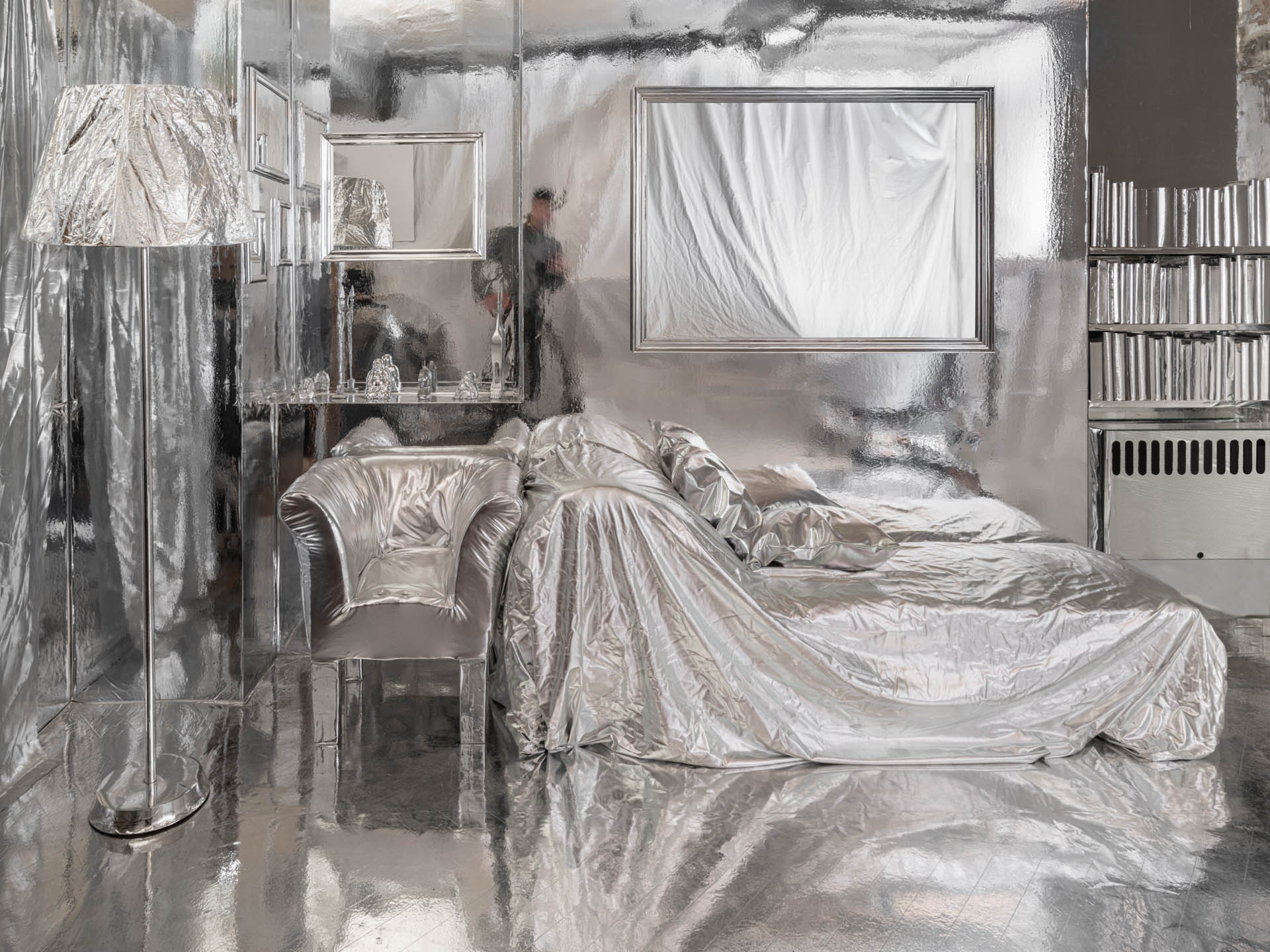
Blank, Fine Art Print, framed, 55 x 75 cm
Installation views
Gallery Kleindienst - Westside, Leipzig
Gallery Kleindienst - Westside, Leipzig
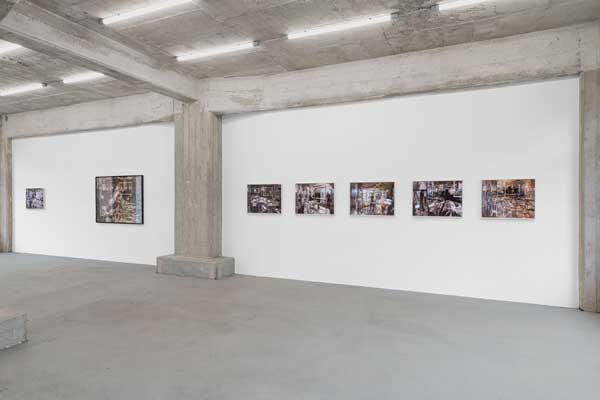
Leipziger Jahresausstellung, Werkschauhalle Spinnerei, Leipzig,
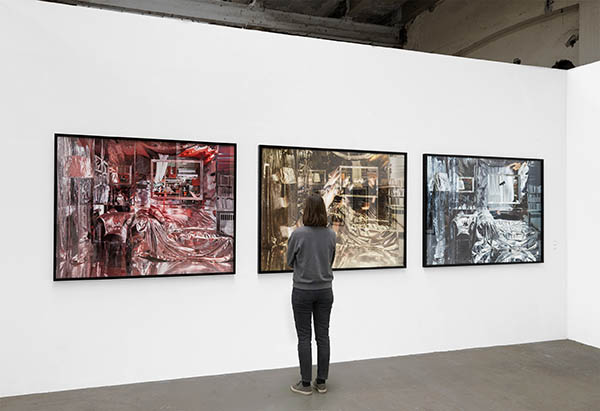
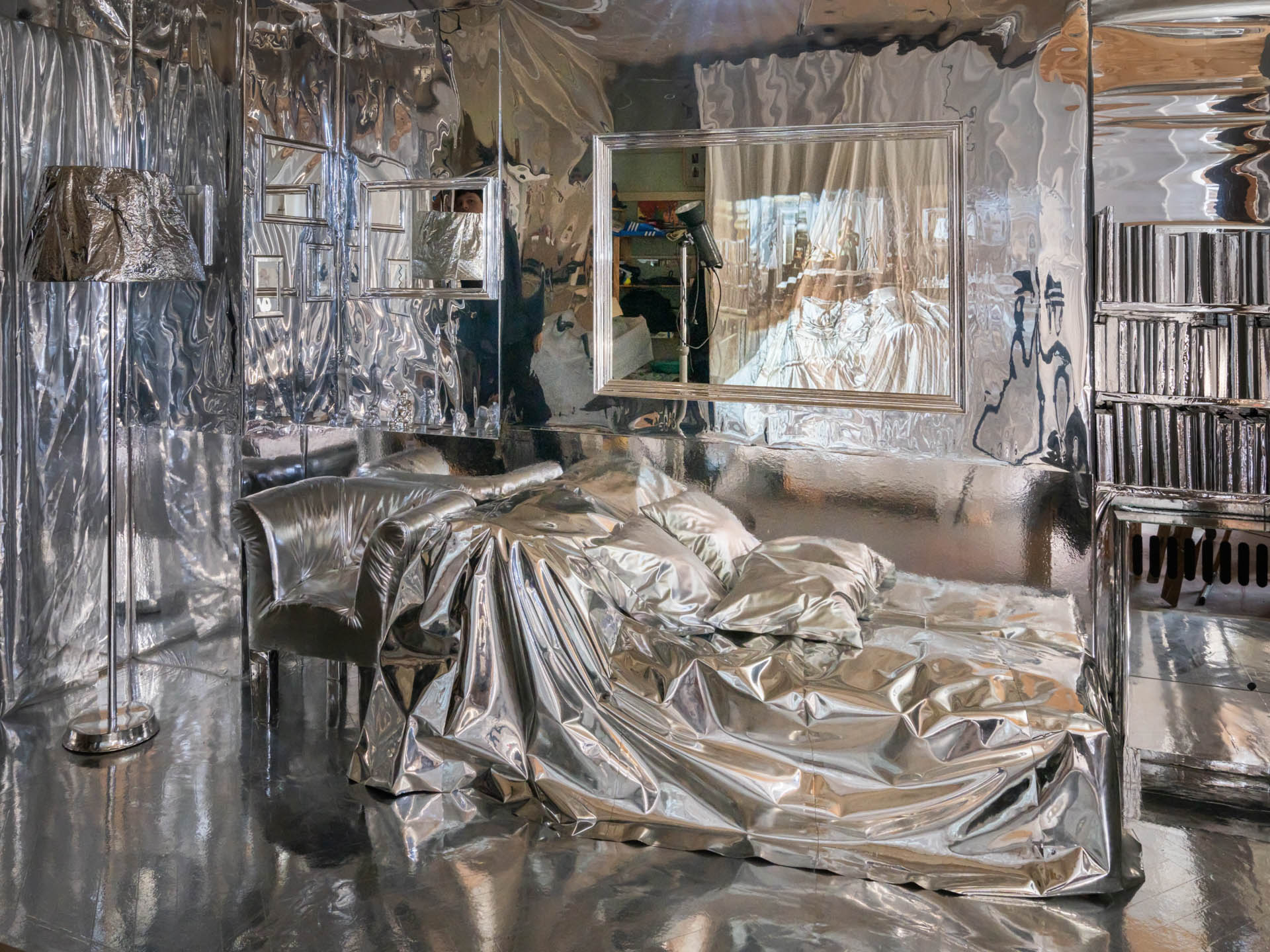
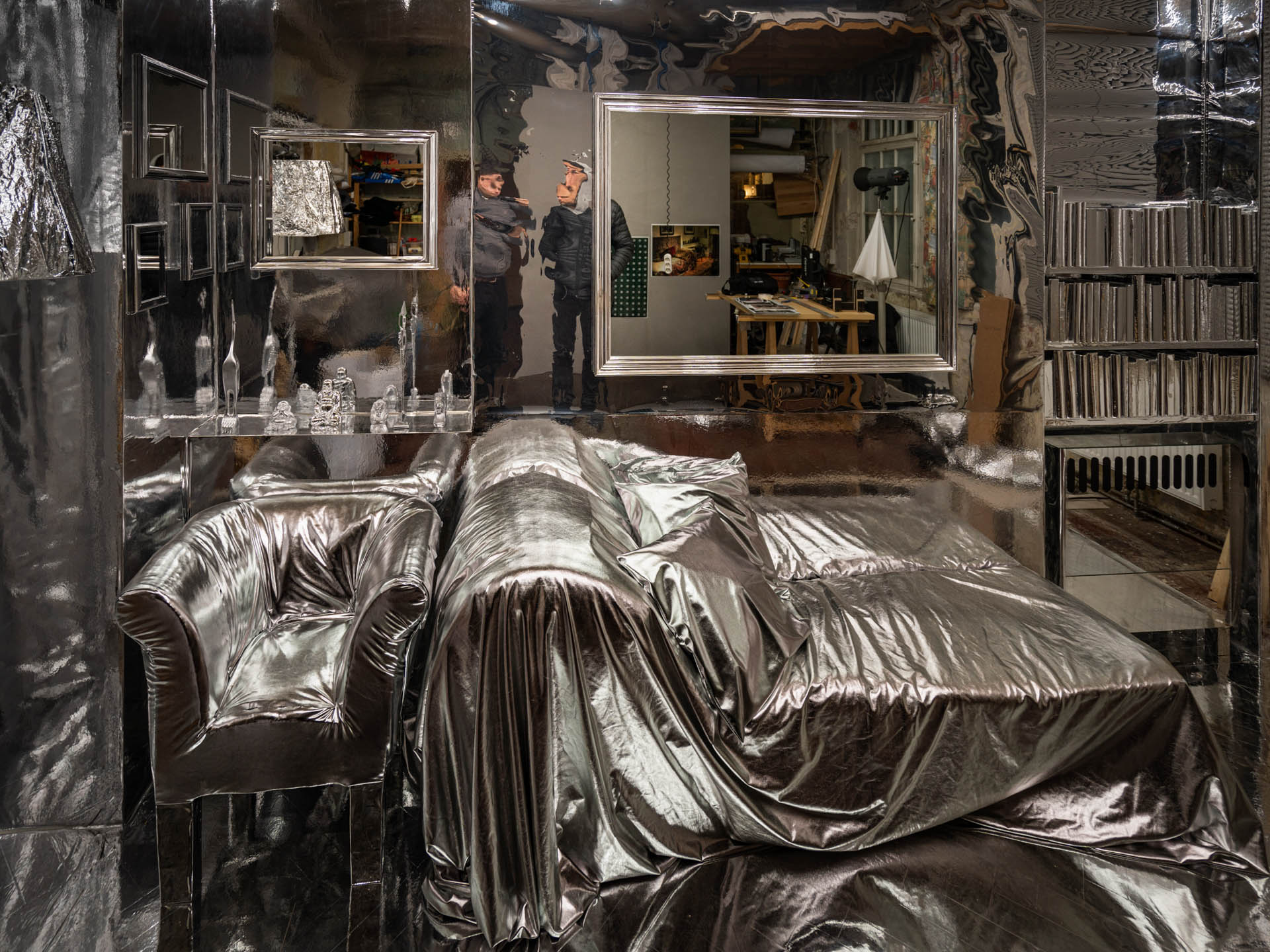
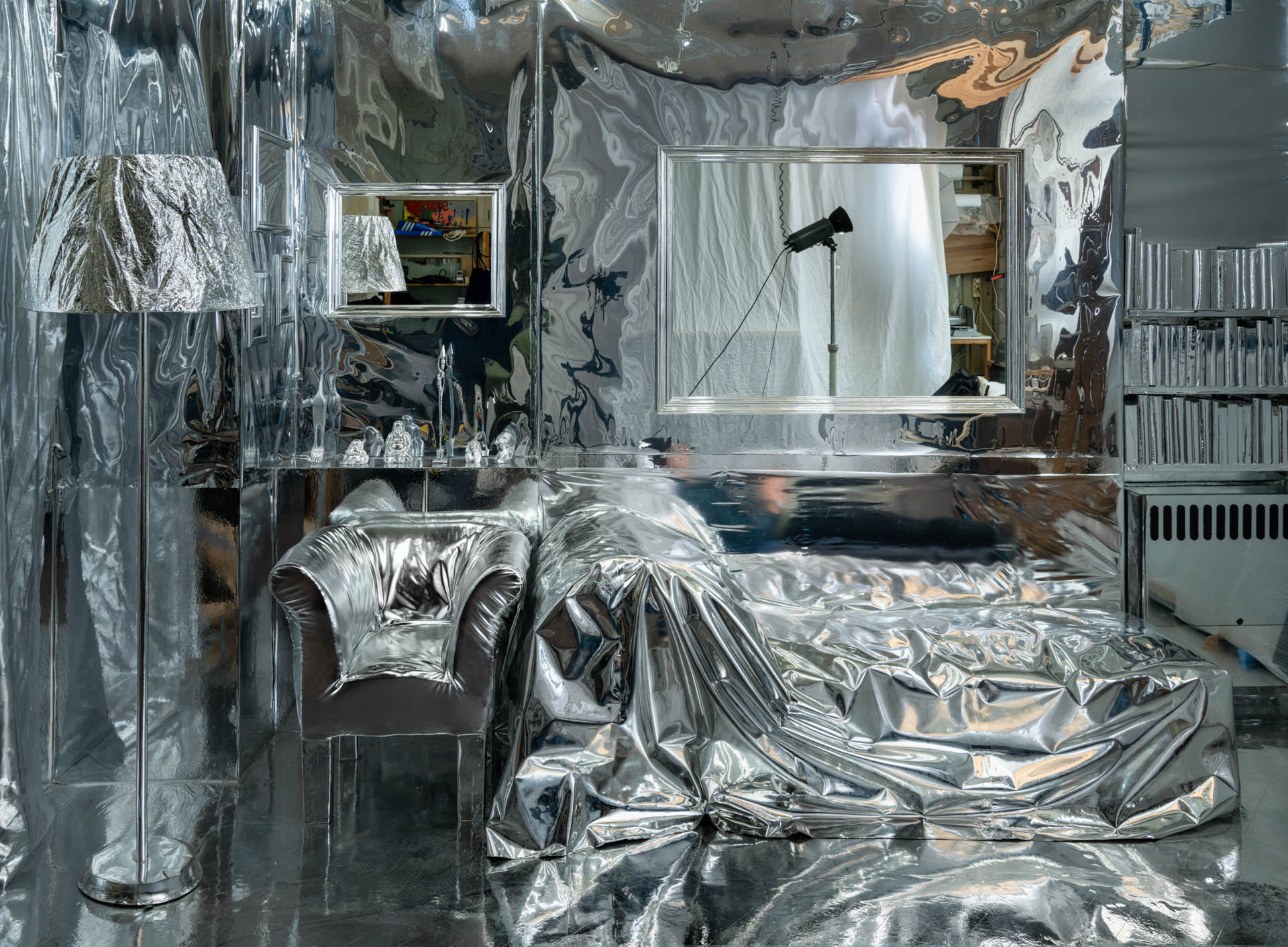
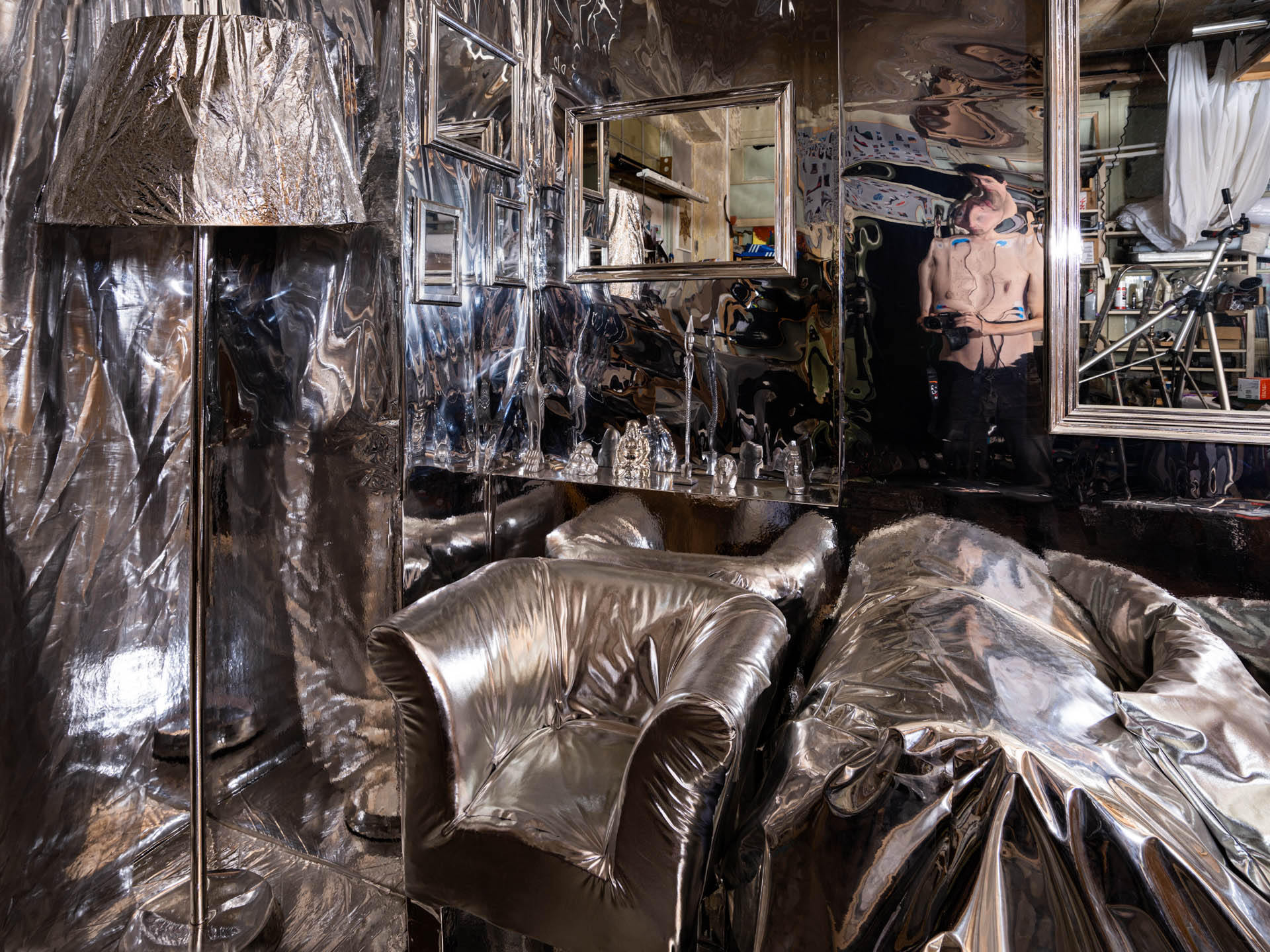
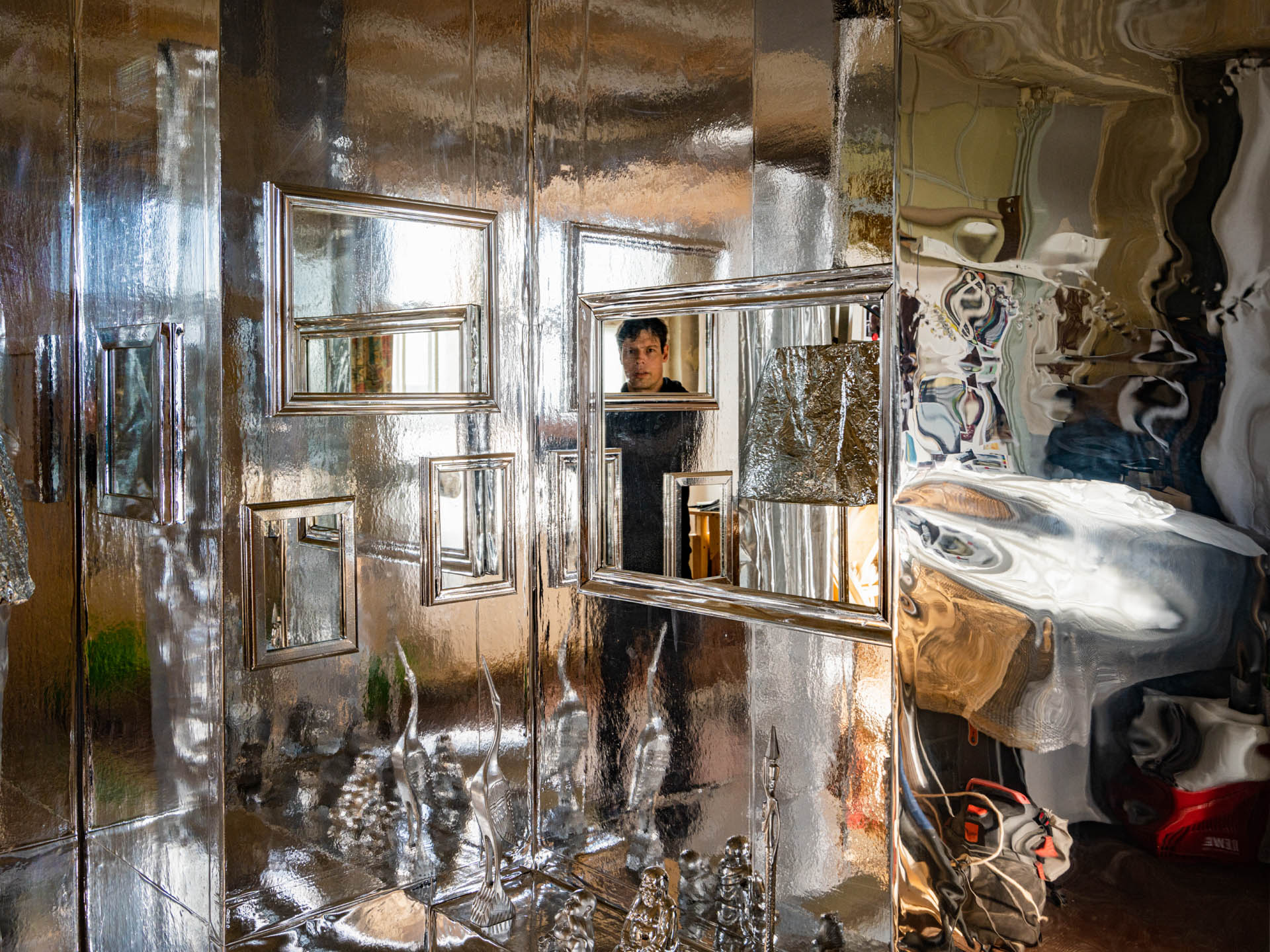
According to Sigmund Freud, the superego is one of the three agencies of the human psyche. In my photographic series, I stage myself in a kind of hall of mirrors reminiscent of Freud's study with its armchair and couch.
I reconstructed parts of this room from his London exile in my studio and completely covered them in mirrors. The mirrored design takes up the themes of mirroring, reflection, and self-reflection in the Freudian sense.
more...
more...
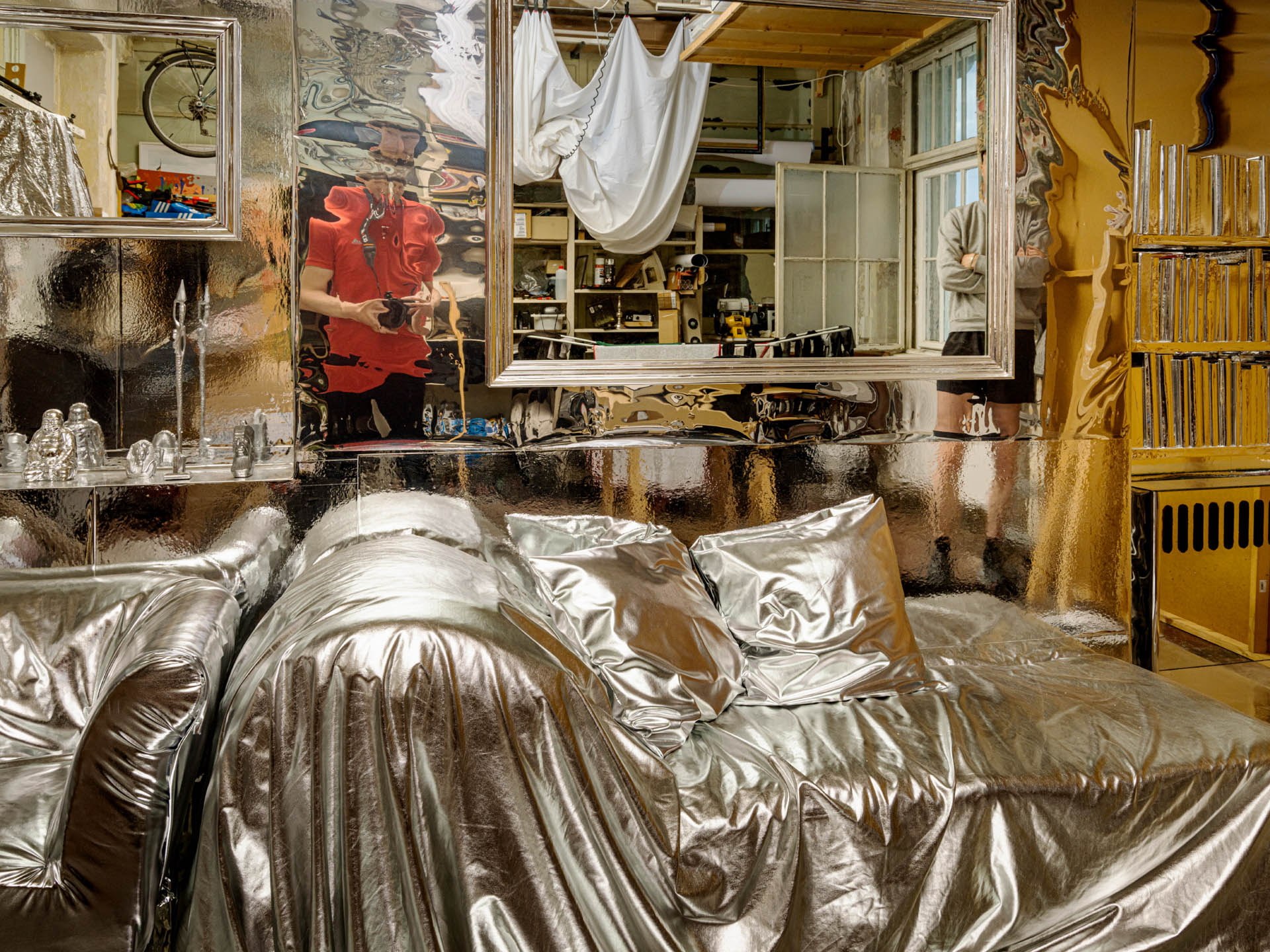
Bro, Fine Art Print, framed, 55 x 75 cm
Doppel, Fine Art Print, framed, 55 x 75 cm
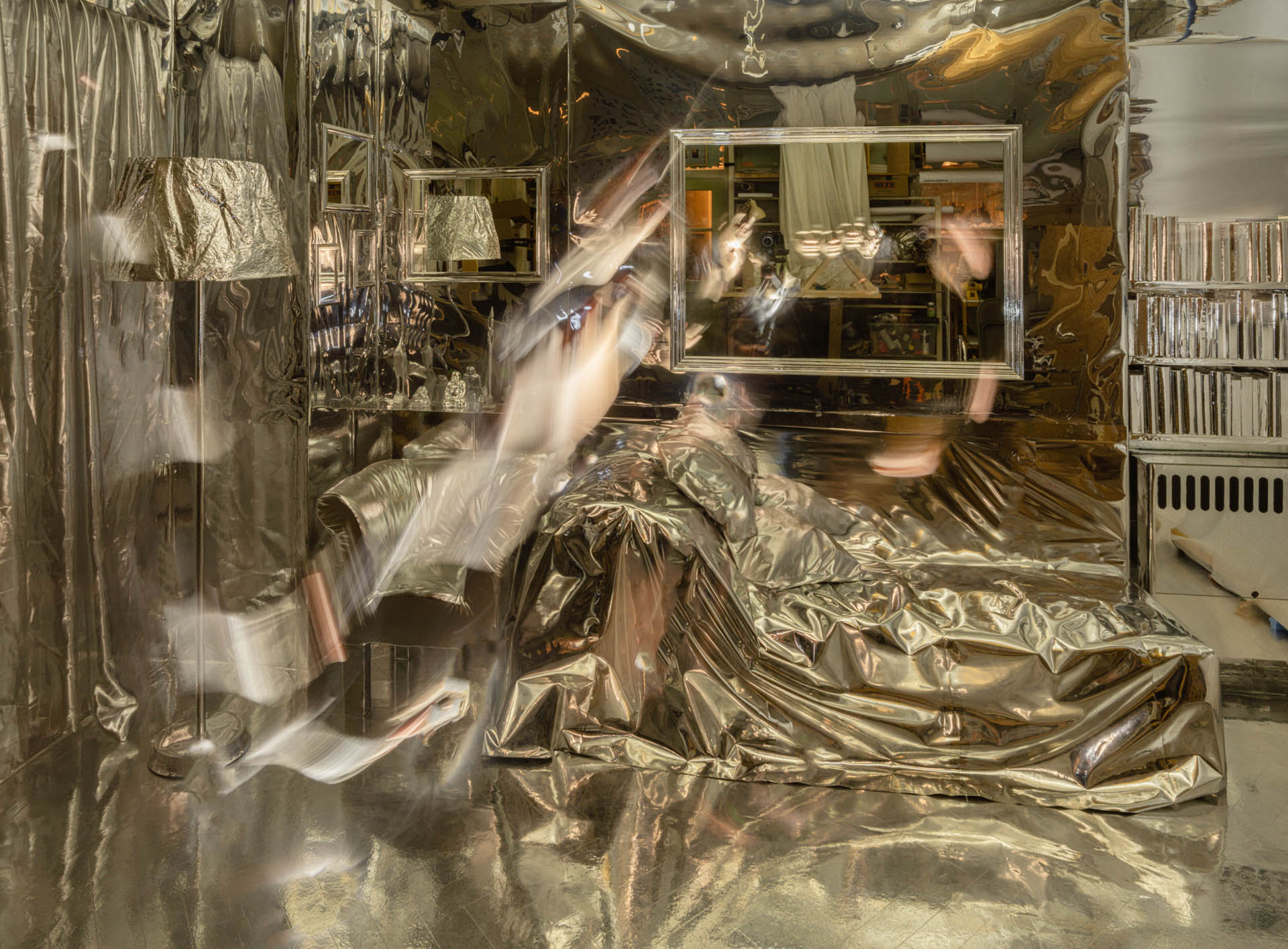
EGO, Fine Art Print, framed, 105 x 140 cm
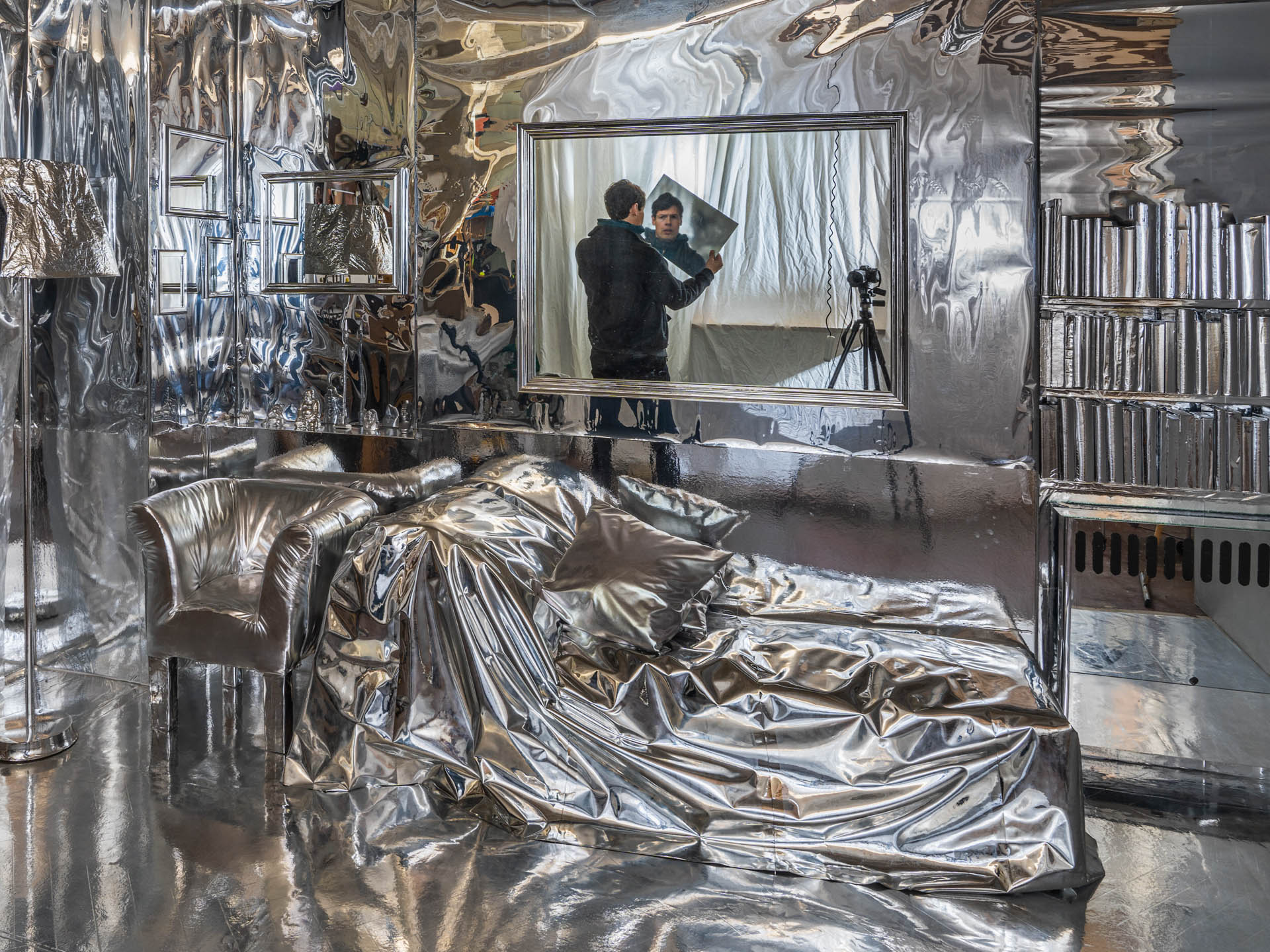
Opposite, Fine Art Print, framed, 105 x 140 cm
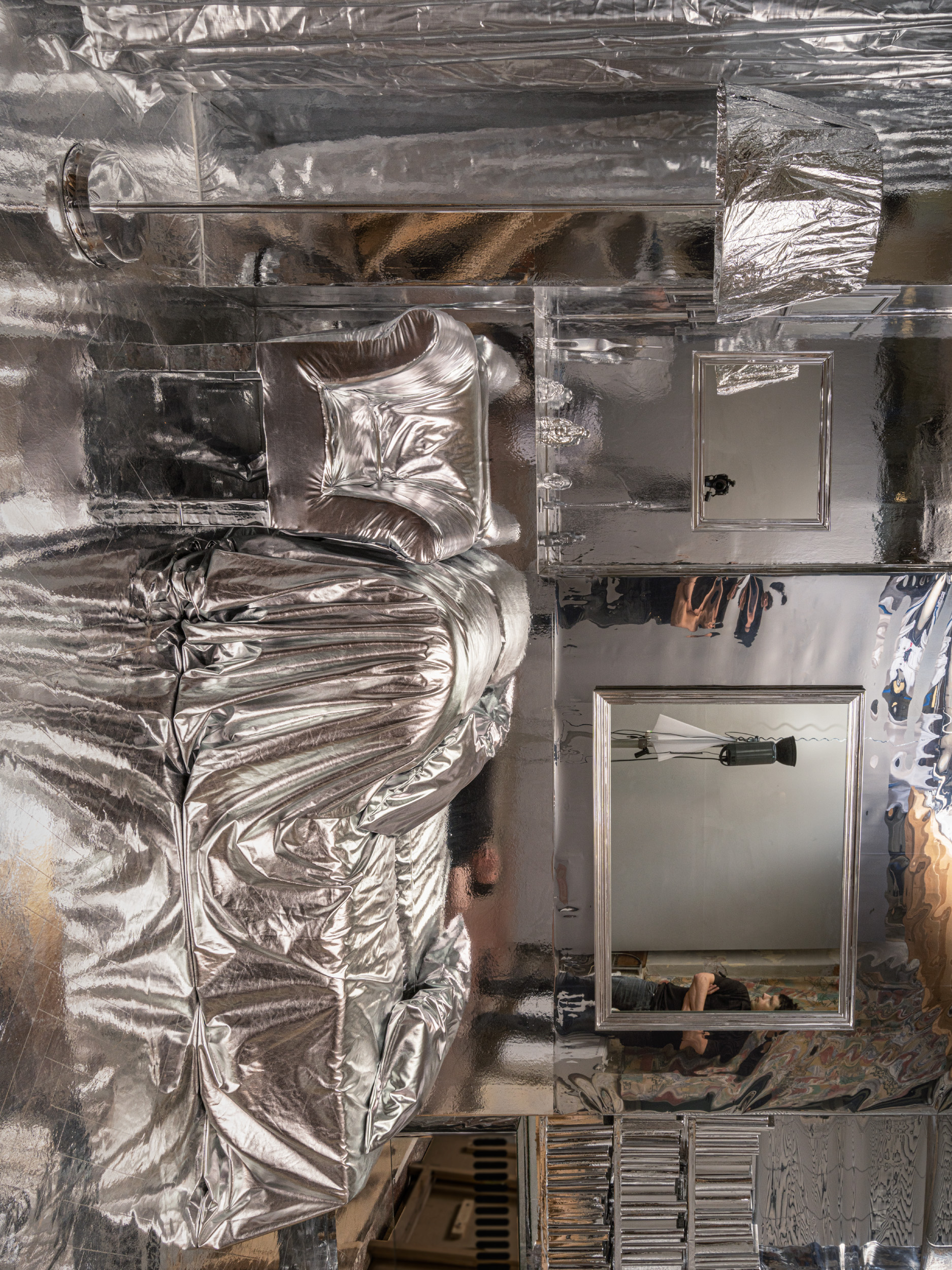
Id, Ego, and Super-Ego, Fine Art Print, framed, 55 x 75 cm
Reading Room of the German National Library, Leipzig, 2023
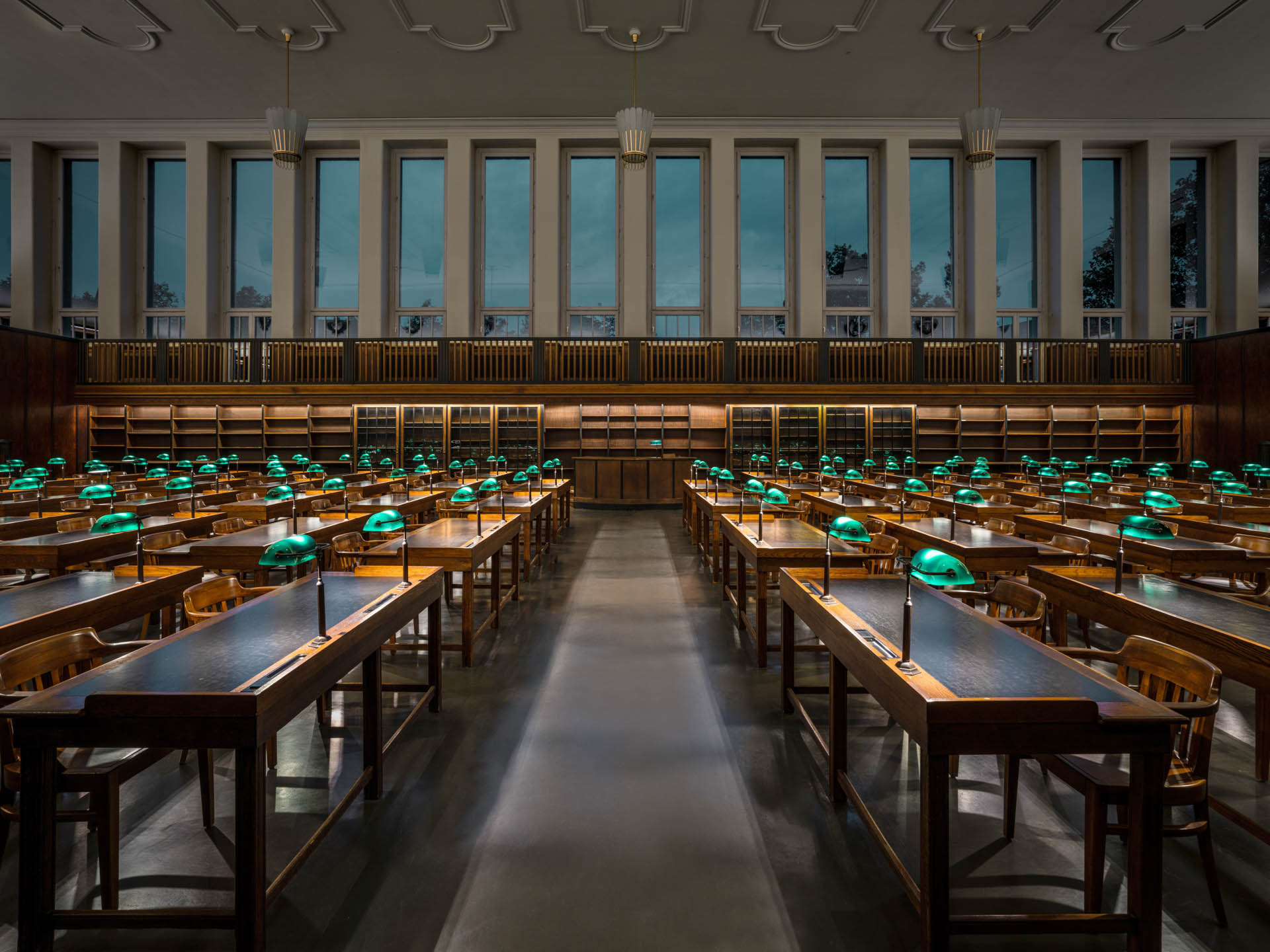
Window front, Fine Art Print, framed, 105 x 140 cm, 55 x 75 cm
Exhibition views Gallery The Grass Is Greener, Leipzig
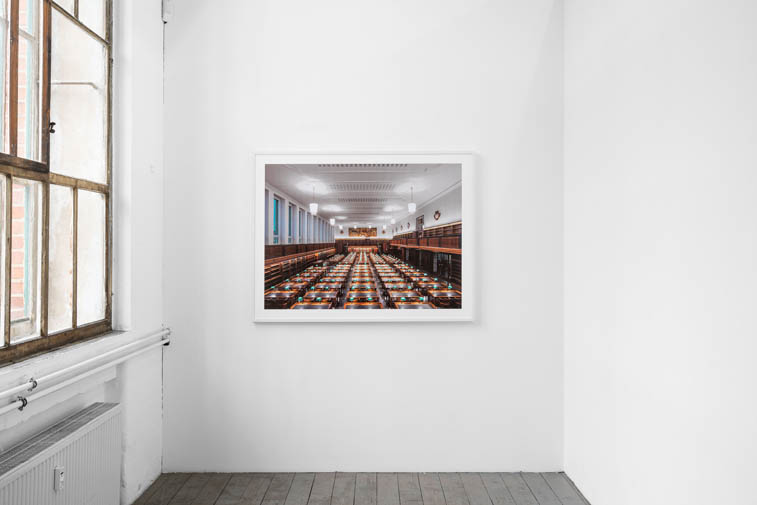
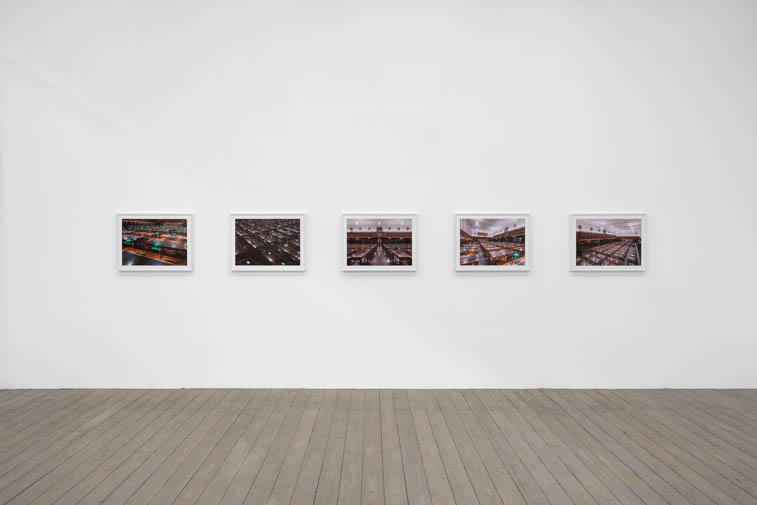
On the open day marking its 111th anniversary, October 3, 2023, I visited the German National Library in Leipzig. Since its foundation, it has collected all literary works published in the German language.
My tour led me from the new building into the historic building and further into the Reading Room for the Humanities and Natural Sciences. The space felt strangely familiar to me, not as a reader, but as a visitor.
Through the upper entrance, I reached the gallery. From there, the view fell upon the mural by Ludwig von Hofmann, which depicts the mythical Arcadia. Arcadia stands as a symbol of an idealized landscape, a place of harmony and intellectual order. I then descended to the 181 workstations with their green reading lamps.
Only then did I notice what unsettled my gaze: in the shelves, along the walls, above the gallery, and beside the entrances and exits, there was not a single book.
A reading room without books.
It was the last day before the renovation of the historic building.
My tour led me from the new building into the historic building and further into the Reading Room for the Humanities and Natural Sciences. The space felt strangely familiar to me, not as a reader, but as a visitor.
Through the upper entrance, I reached the gallery. From there, the view fell upon the mural by Ludwig von Hofmann, which depicts the mythical Arcadia. Arcadia stands as a symbol of an idealized landscape, a place of harmony and intellectual order. I then descended to the 181 workstations with their green reading lamps.
Only then did I notice what unsettled my gaze: in the shelves, along the walls, above the gallery, and beside the entrances and exits, there was not a single book.
A reading room without books.
It was the last day before the renovation of the historic building.
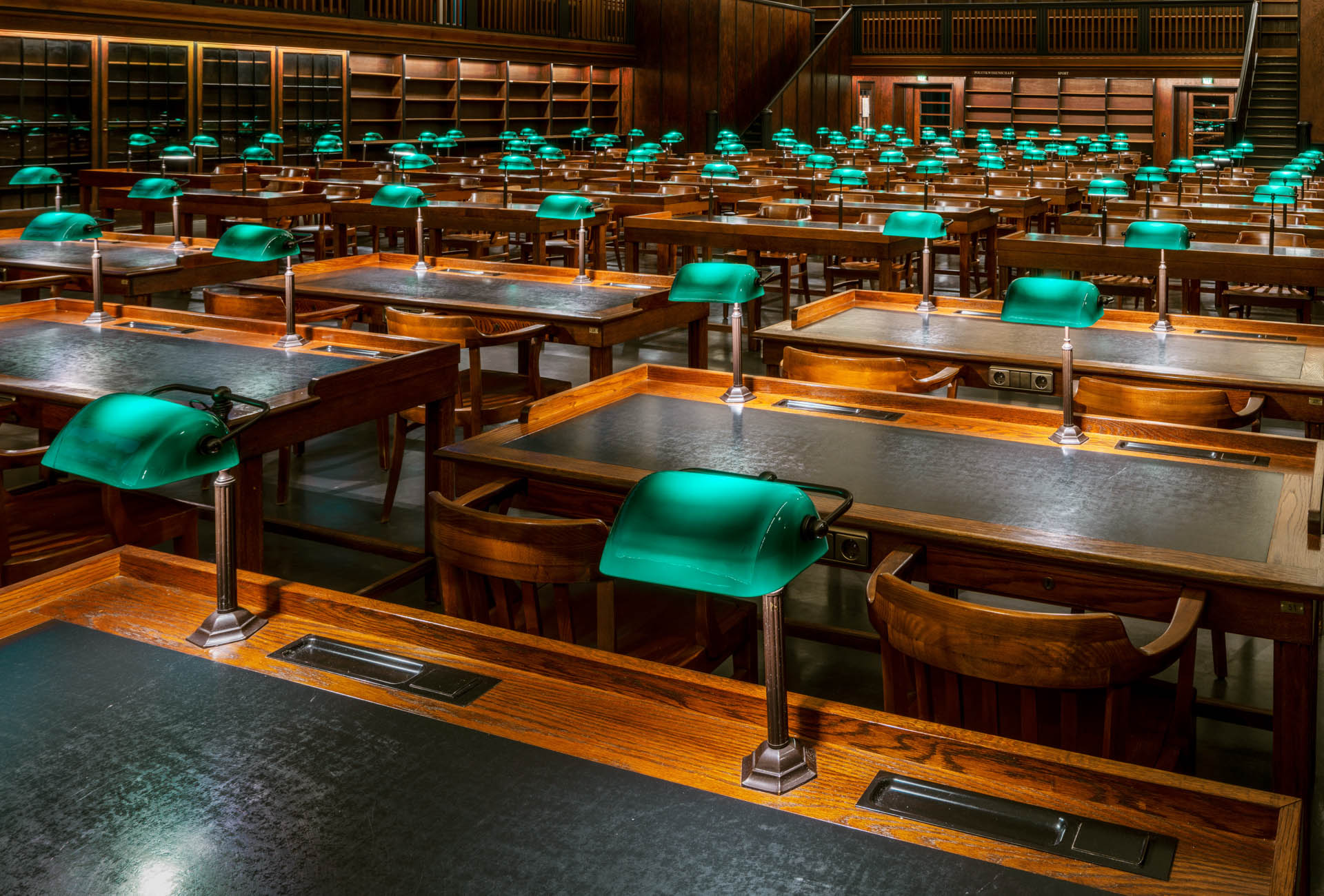
Reading lamps, Fine Art Print, framed, 55 x 75 cm
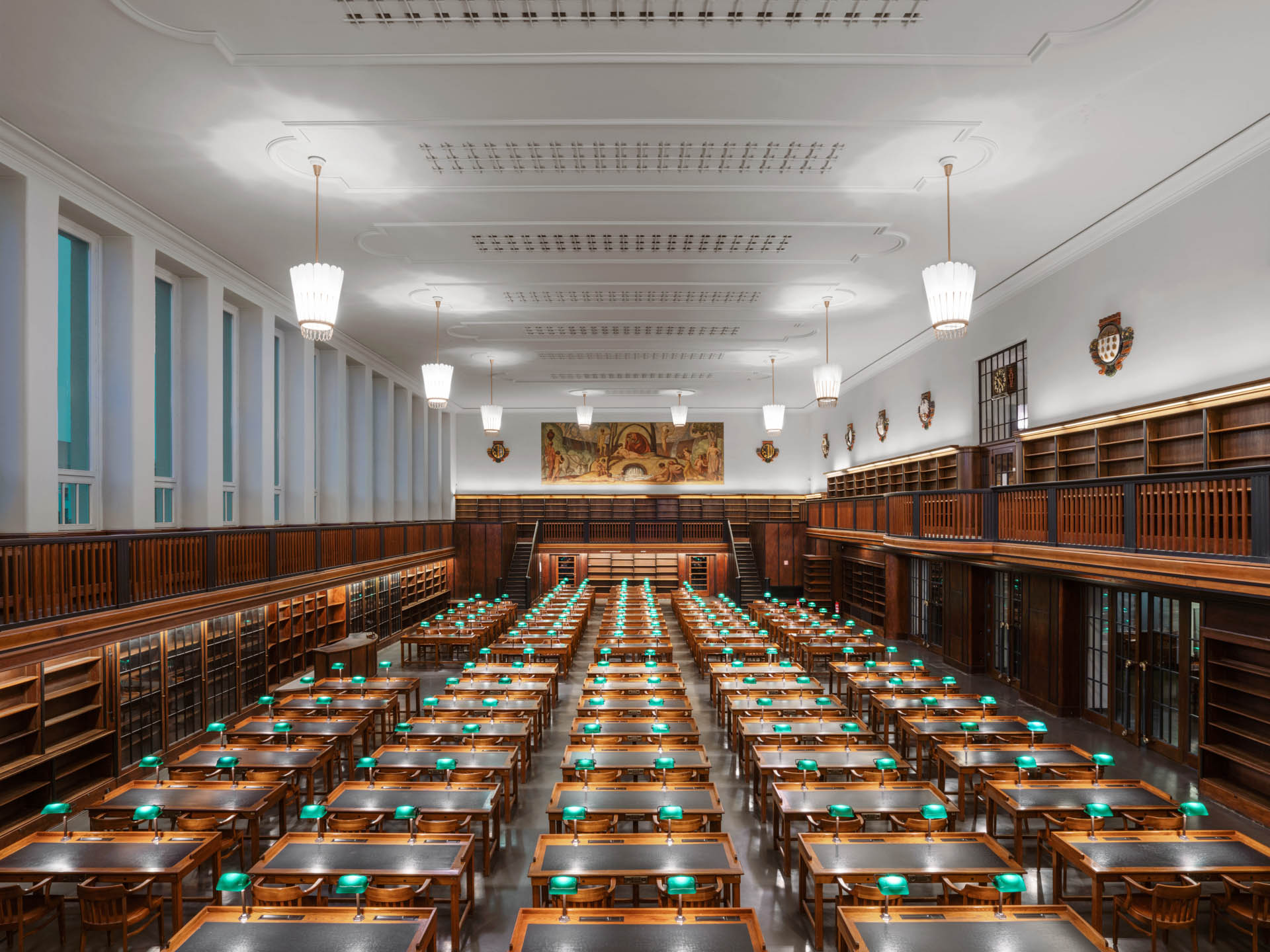
Arcadia, Fine Art Print, framed, 105 x 140 cm
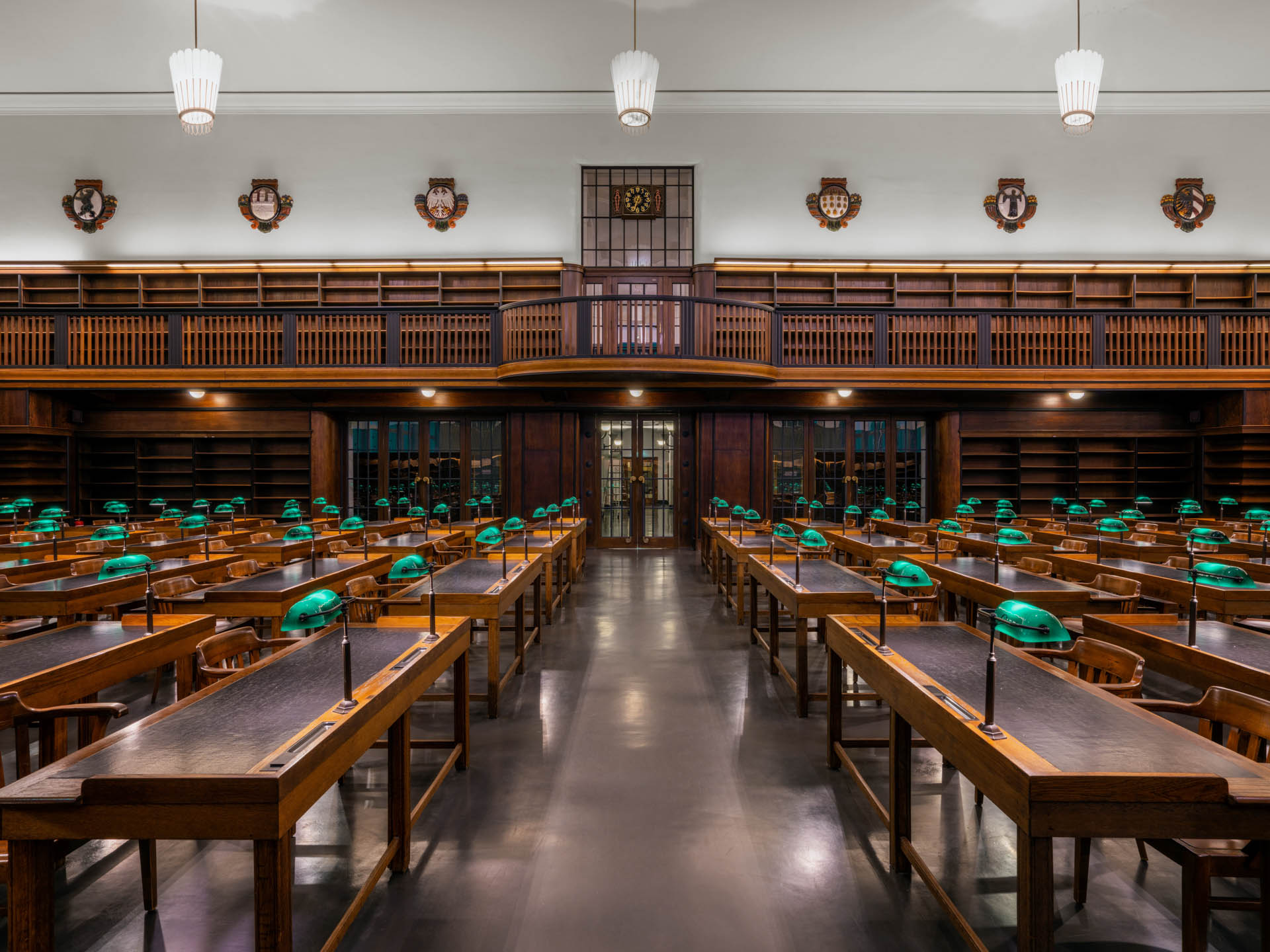
Main entrance, Fine Art Print, framed, 55 x 75 cm
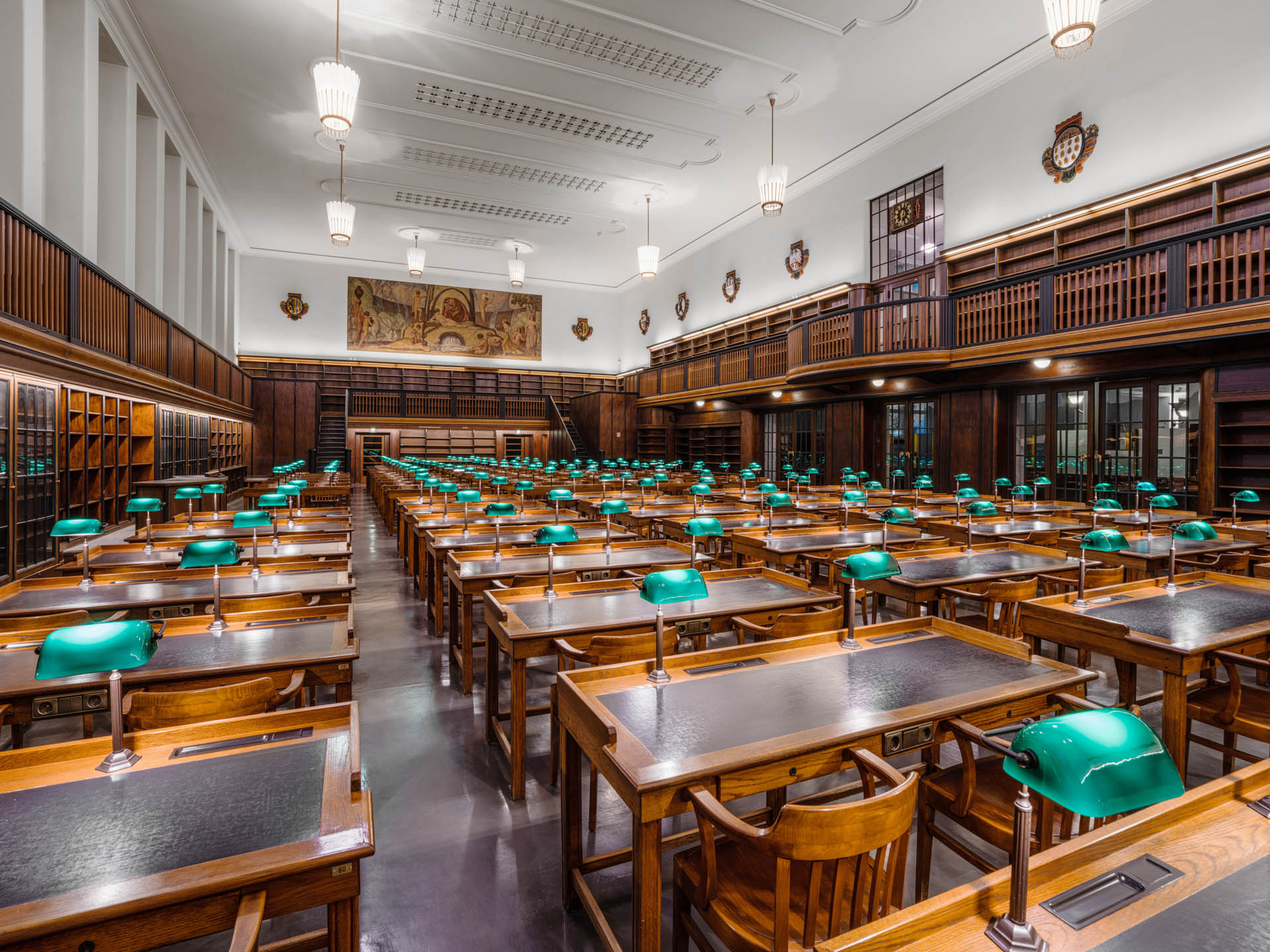
Workstations, Fine Art Print, framed, 55 x 75 cm
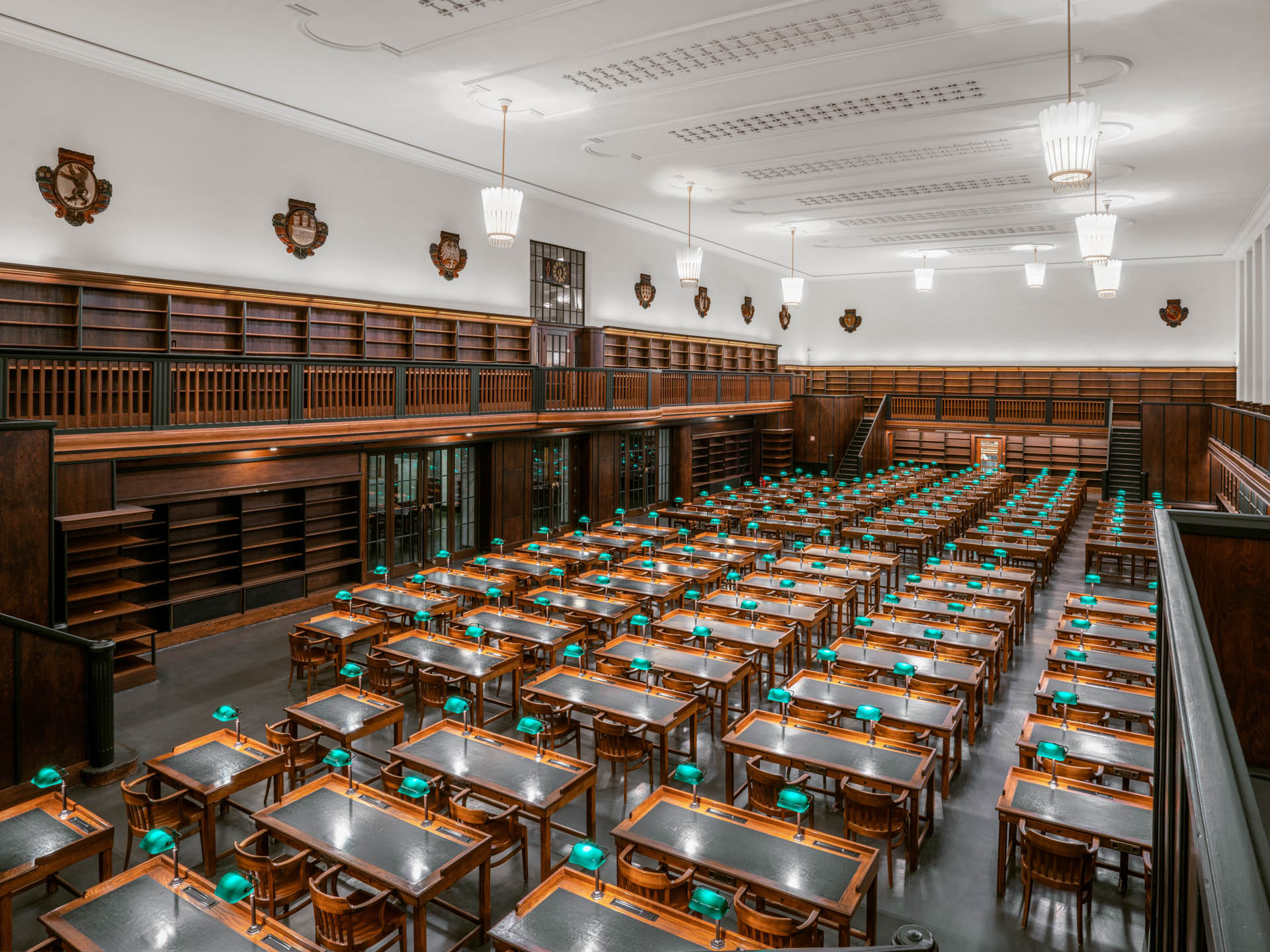
Balustrade, Fine Art Print, framed, 55 x 75 cm
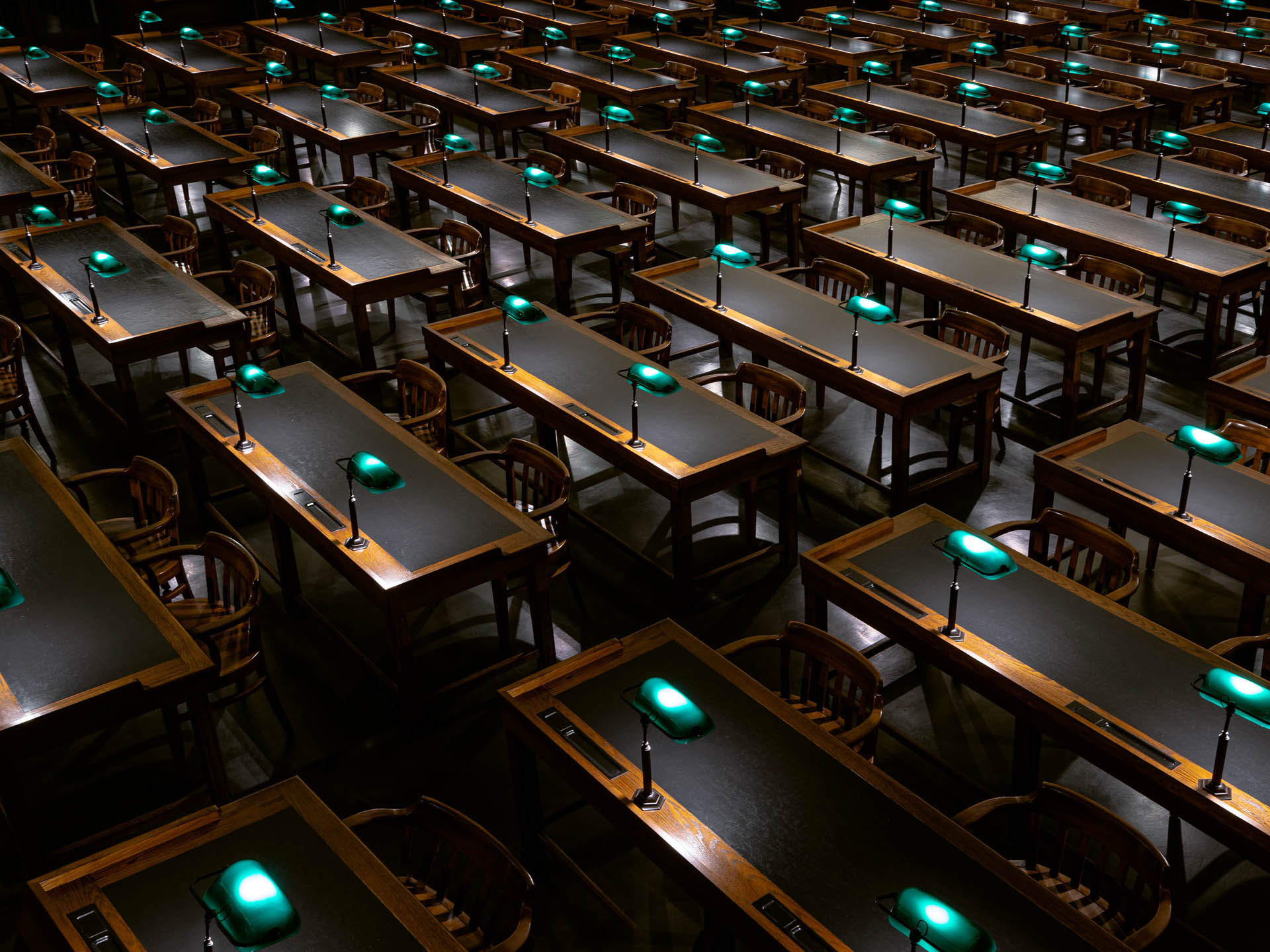
Reading lamps II, Fine Art Print, framed, 55 x 75 cm
MacGuffin, 2020–present
For the work MacGuffin I reconstruct scenery from Alfred Hitchcock films. The reconstructed settings are photographed in fine detail.
The term MacGuffin is attributed to Hitchcock and stands for more or less arbitrary objects or people that trigger or advance the plot in a film.
The term MacGuffin is attributed to Hitchcock and stands for more or less arbitrary objects or people that trigger or advance the plot in a film.
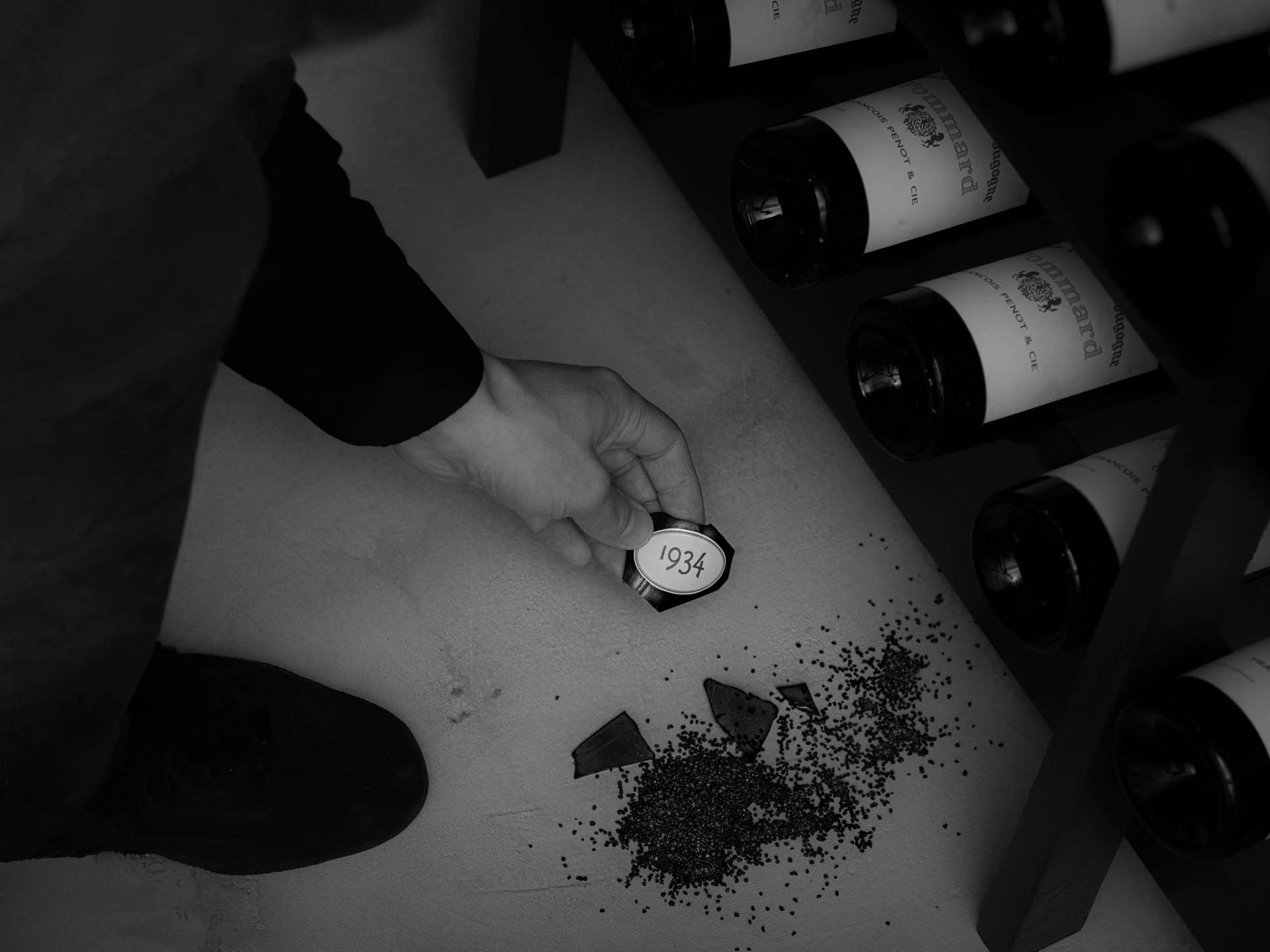
Pitchblende from the broken wine bottle in „Notorious“
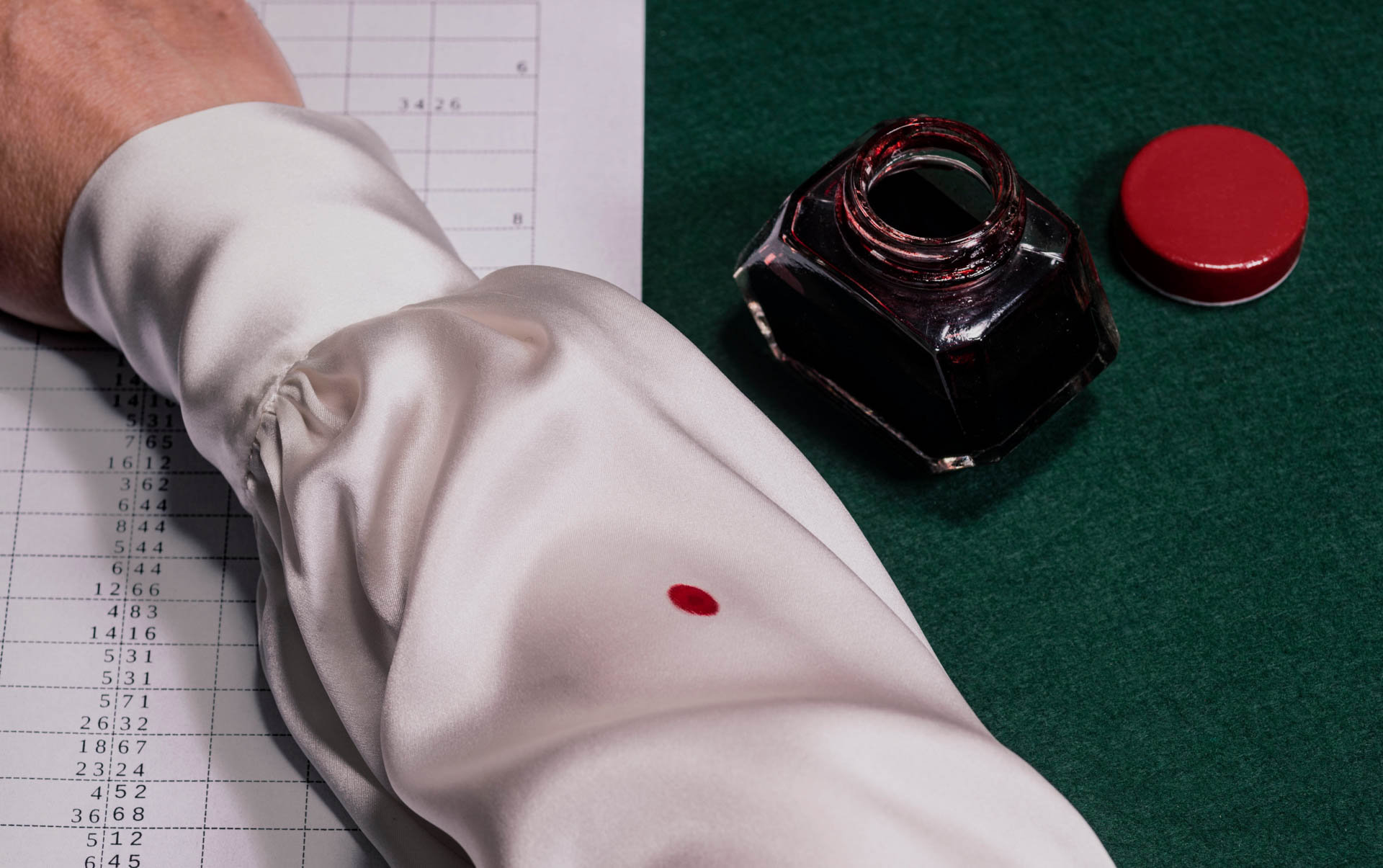
The color red in „Marnie“
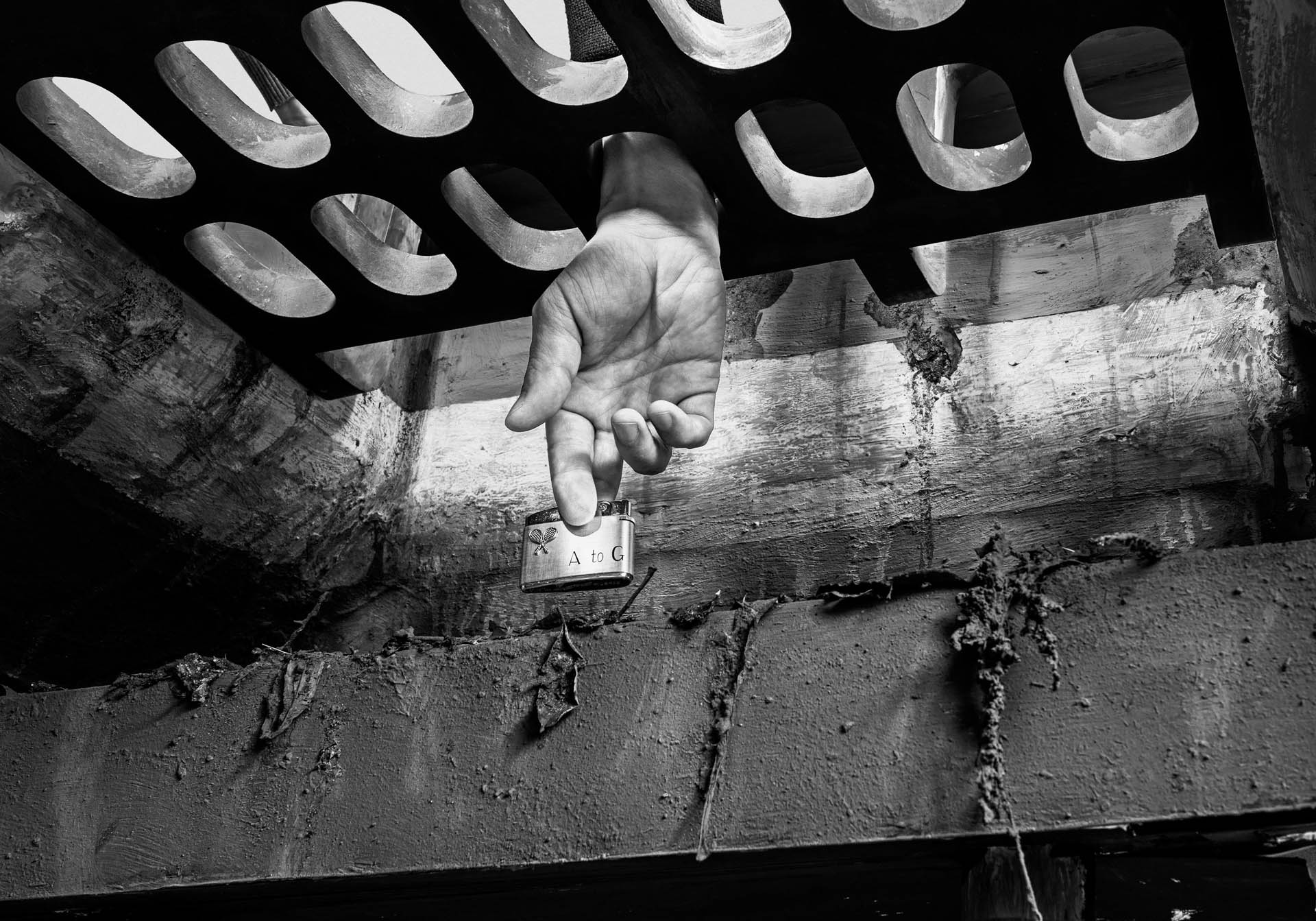
The lighter with the initials in „Strangers on a Train“
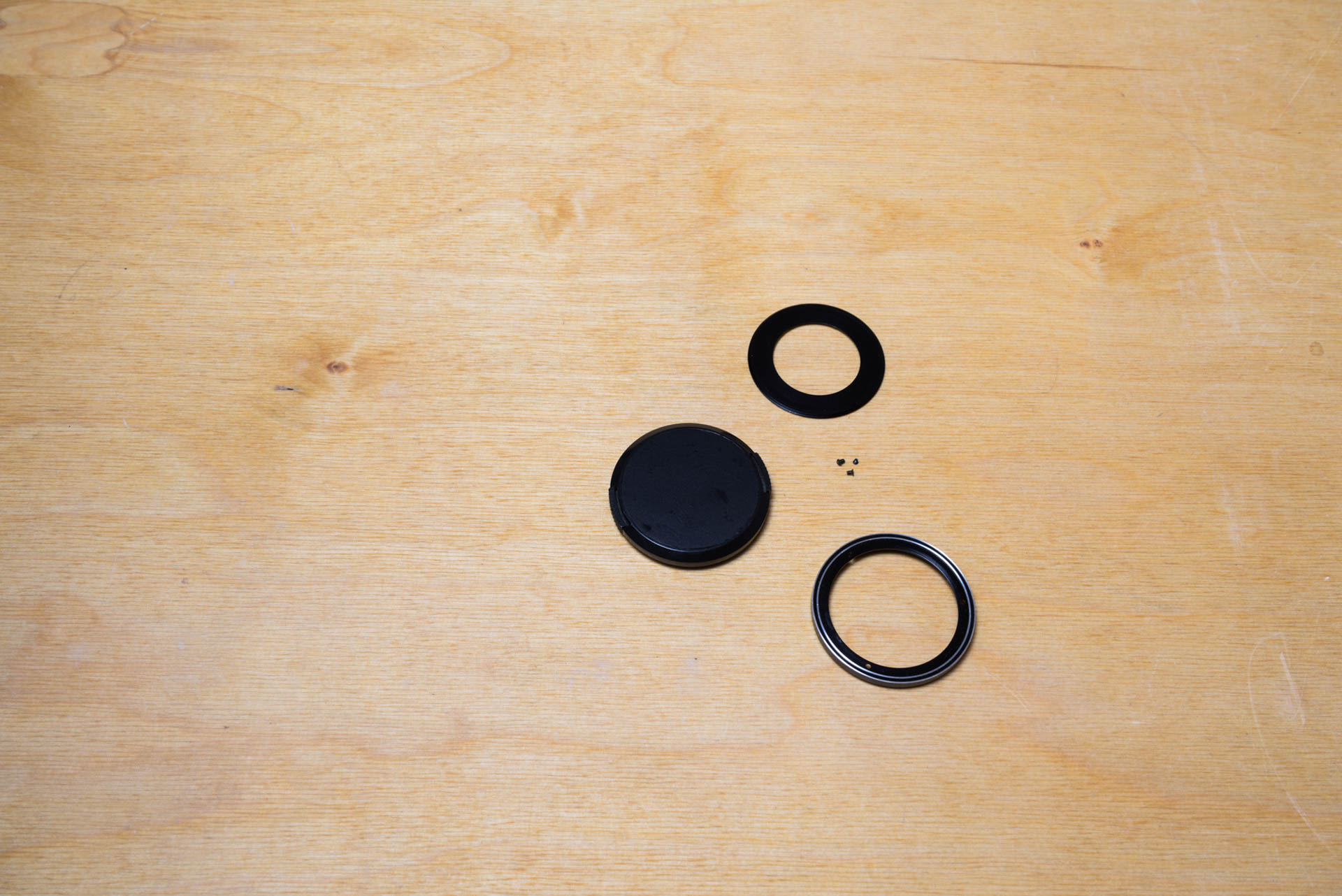
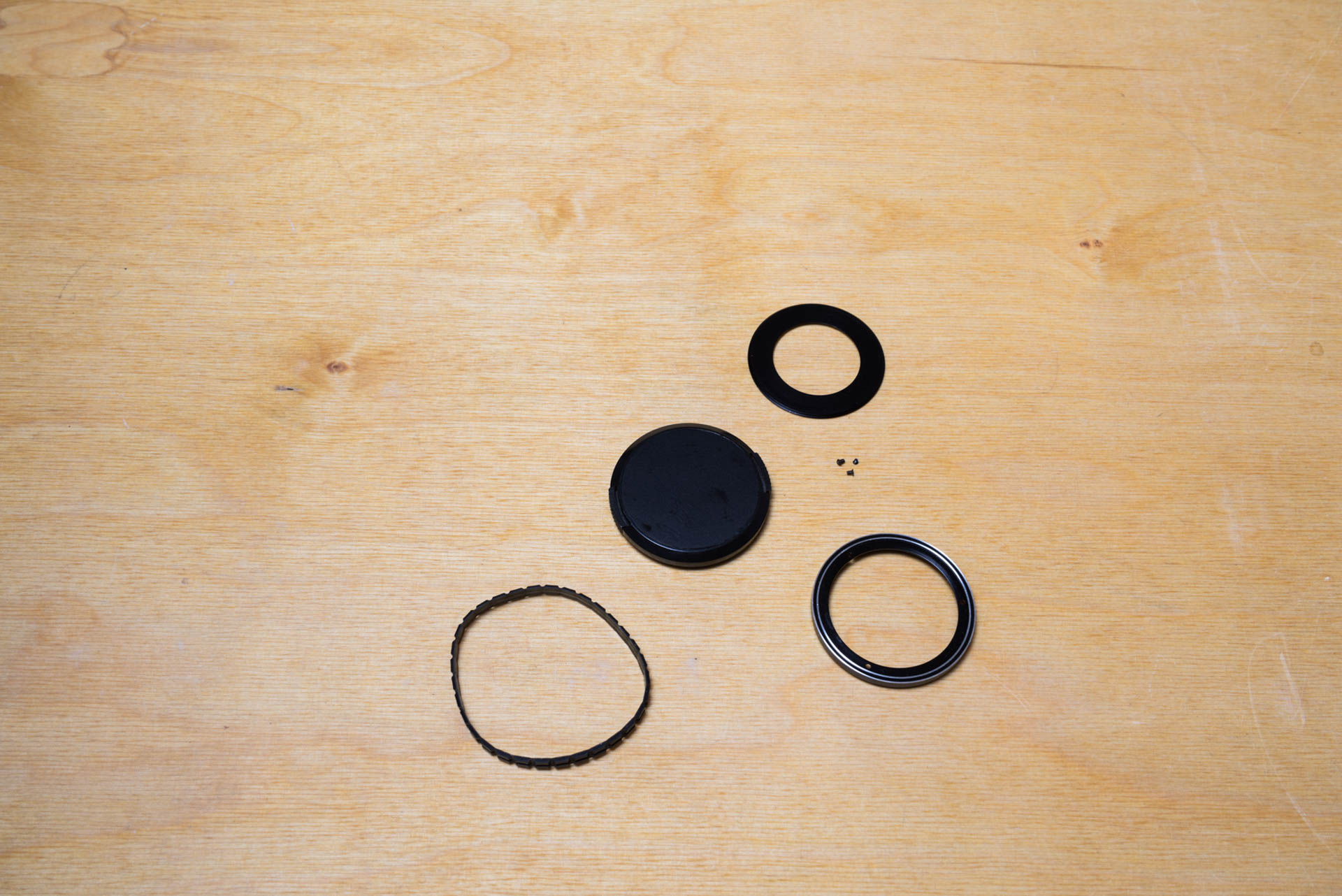
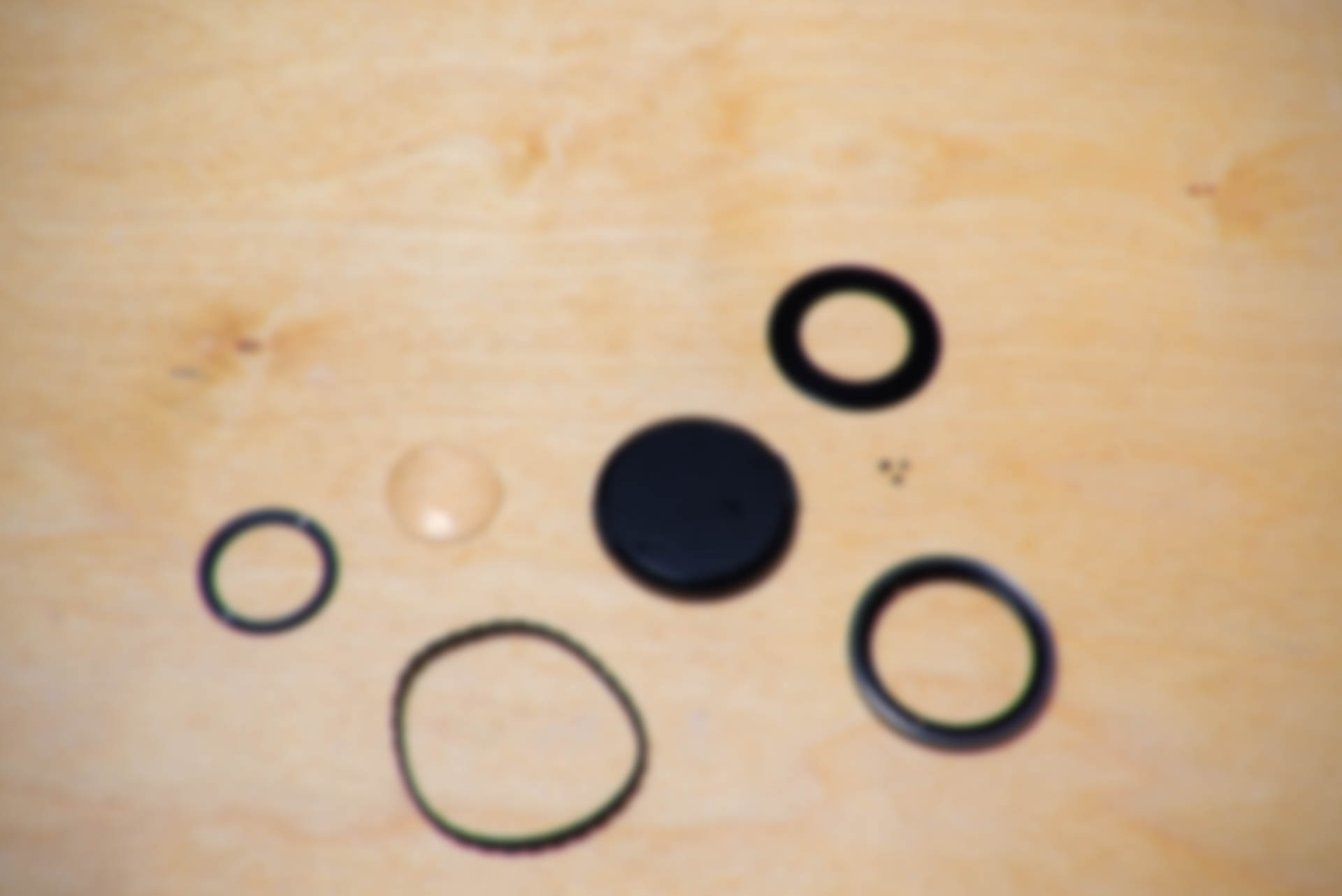
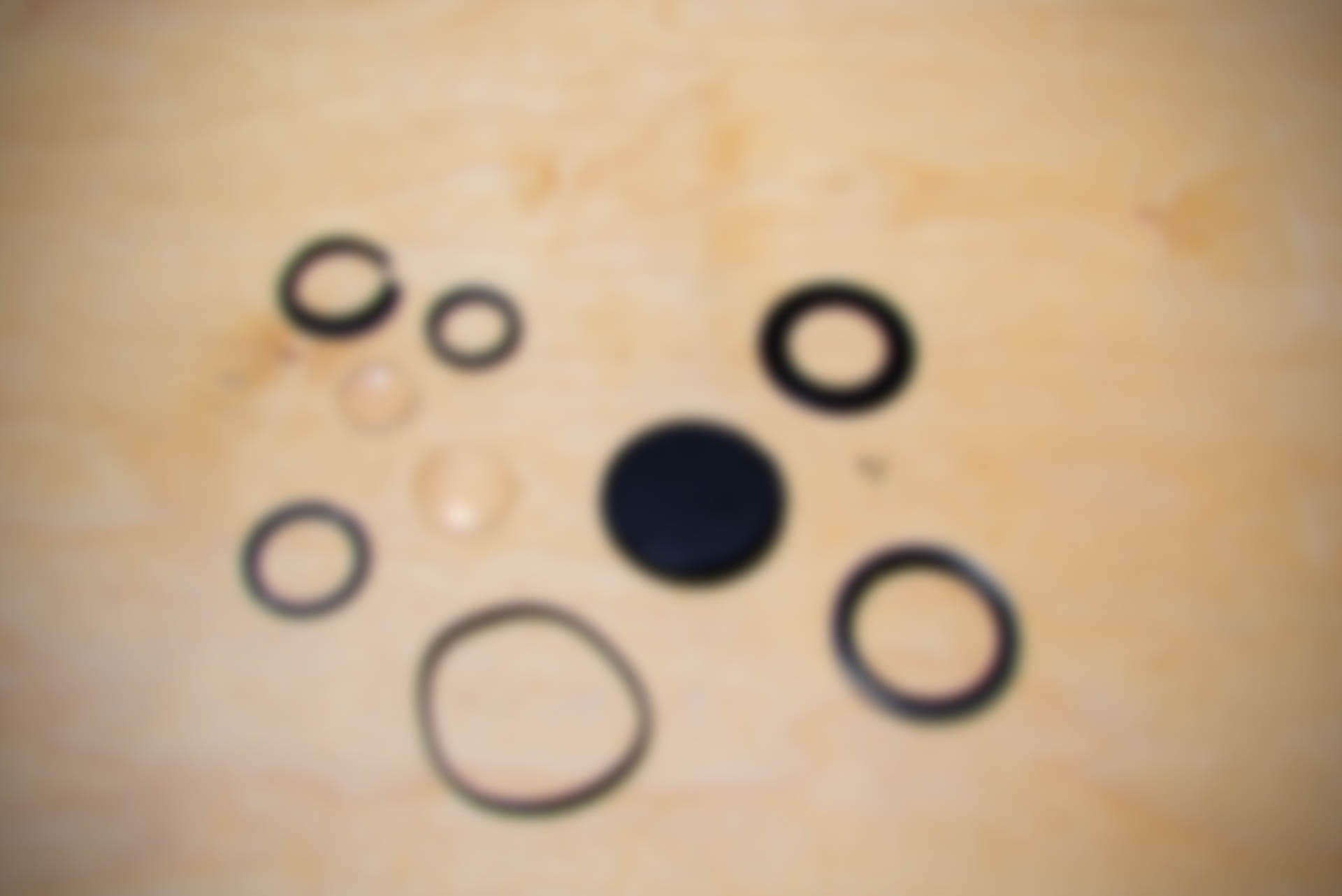
Lens disassembly, 2019
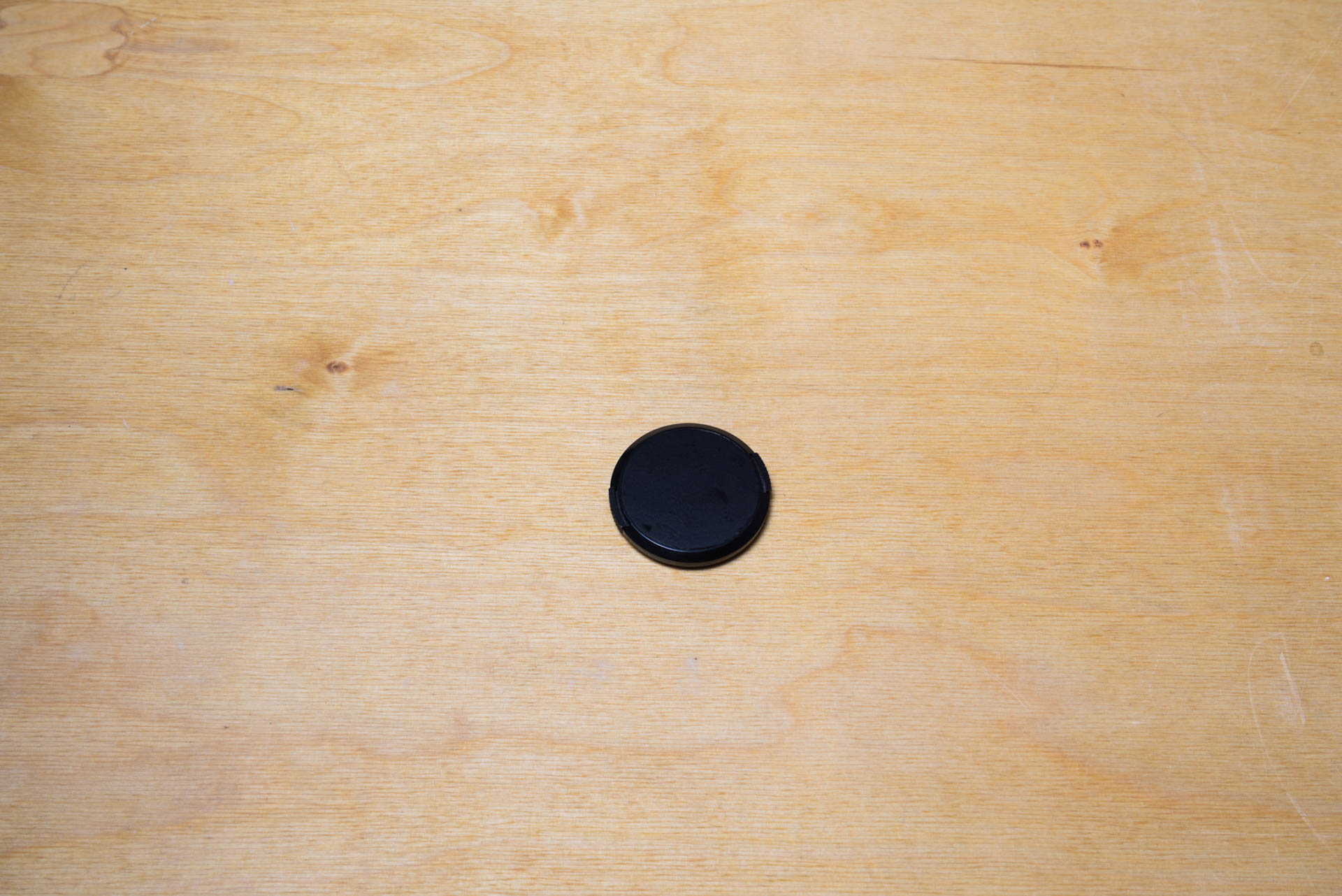
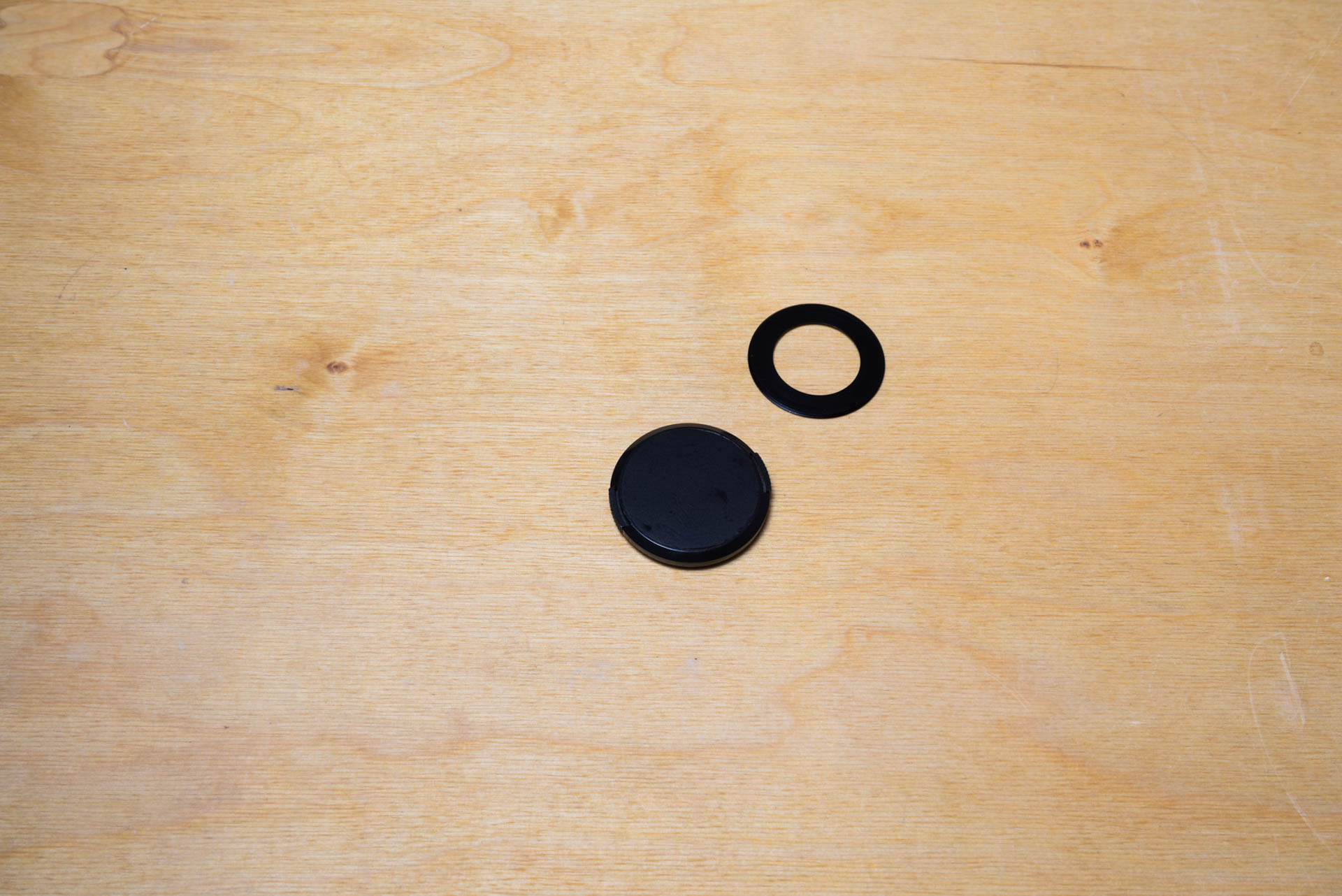
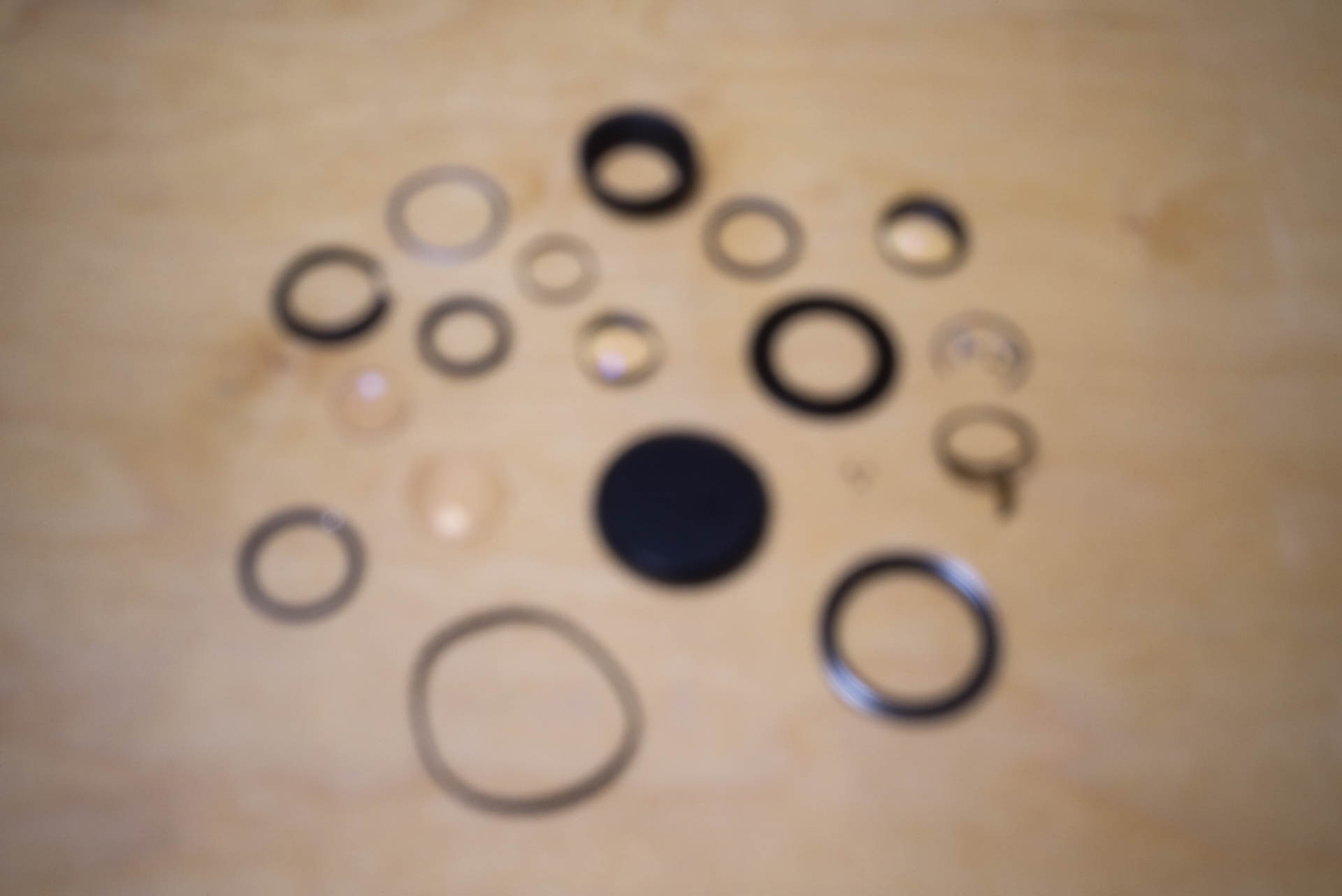
For the twelve-part work Lens Disassembly, I documented photographically how I disassemble the lens used for the documentation piece by piece.
The first unexposed photo is still taken with the lens cap on. Bit by bit, disassembled components of the lens can be seen. Since in the further course the lens system was also
disassembled, focal length and sharpness change and more and more aberrations appear. Finally, the iris diaphragm has been removed and the photo is overexposed.
Bauhaus Dessau, 2019 (selection)
Museum for Photography, Braunschweig
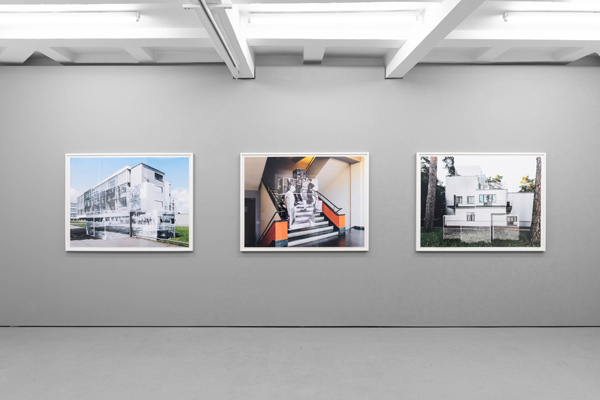
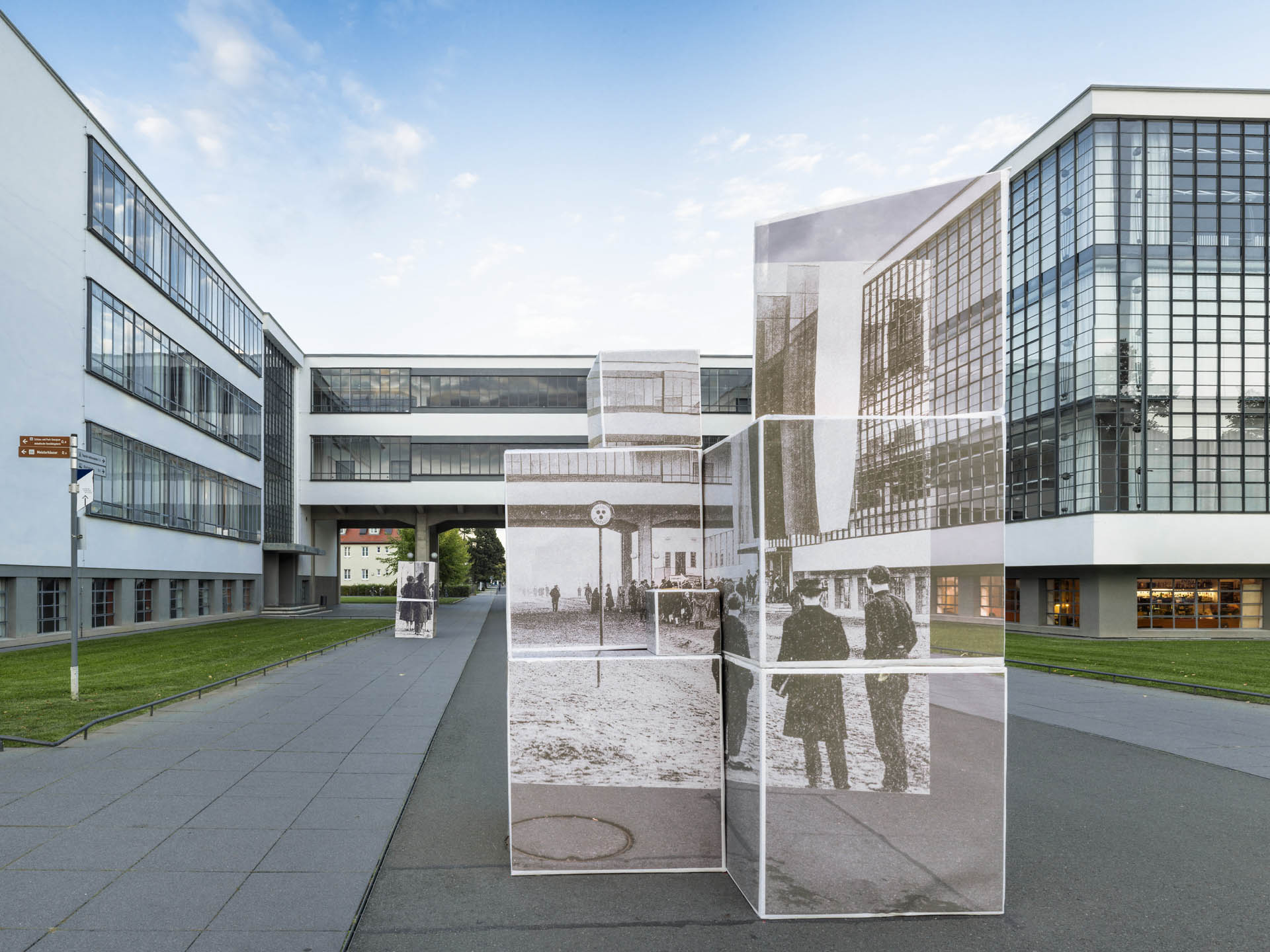
Opening day, Fine Art Print, 110 x 145 cm
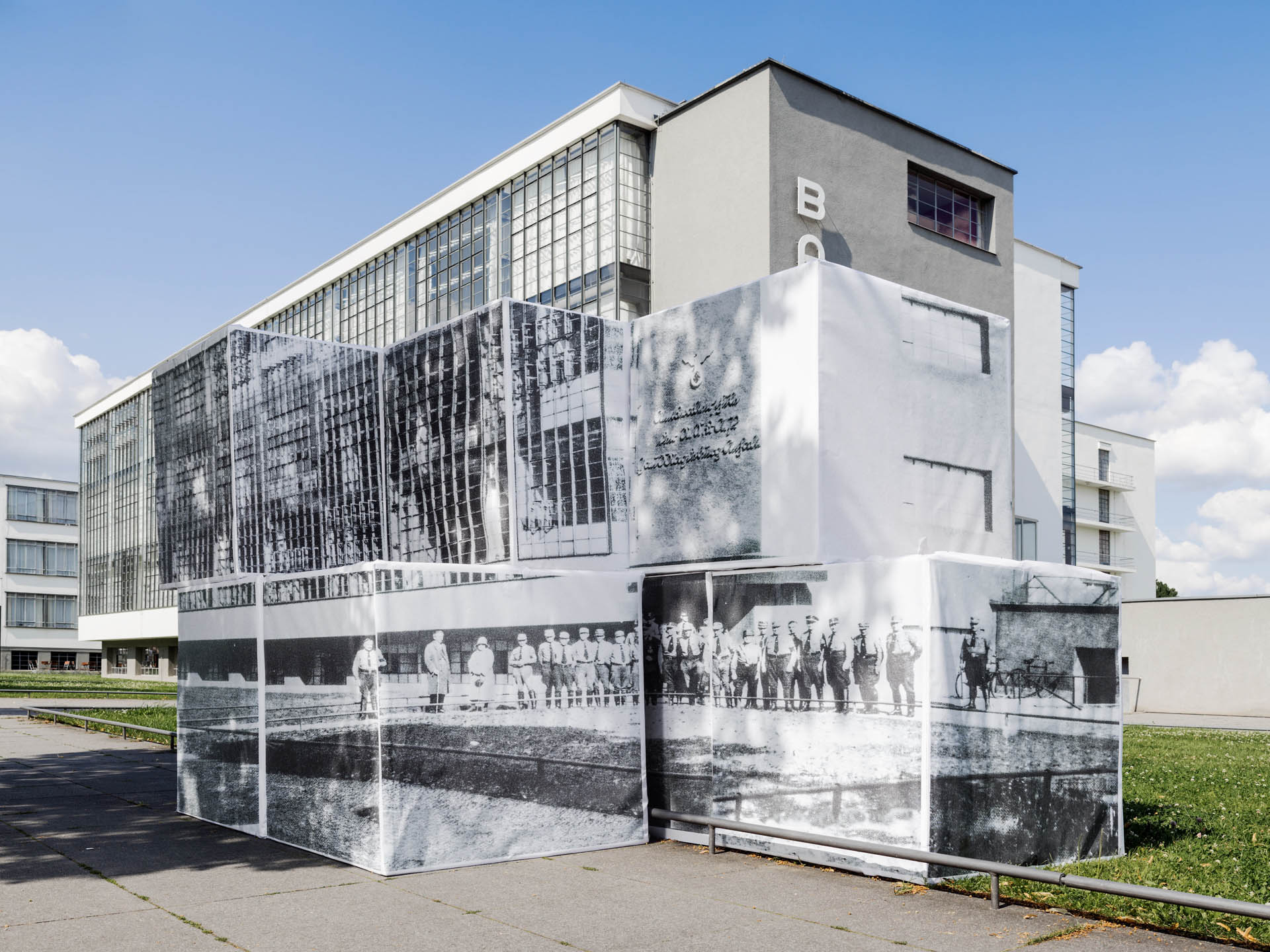
Main building (NS), Fine Art Print, 110 x 145 cm
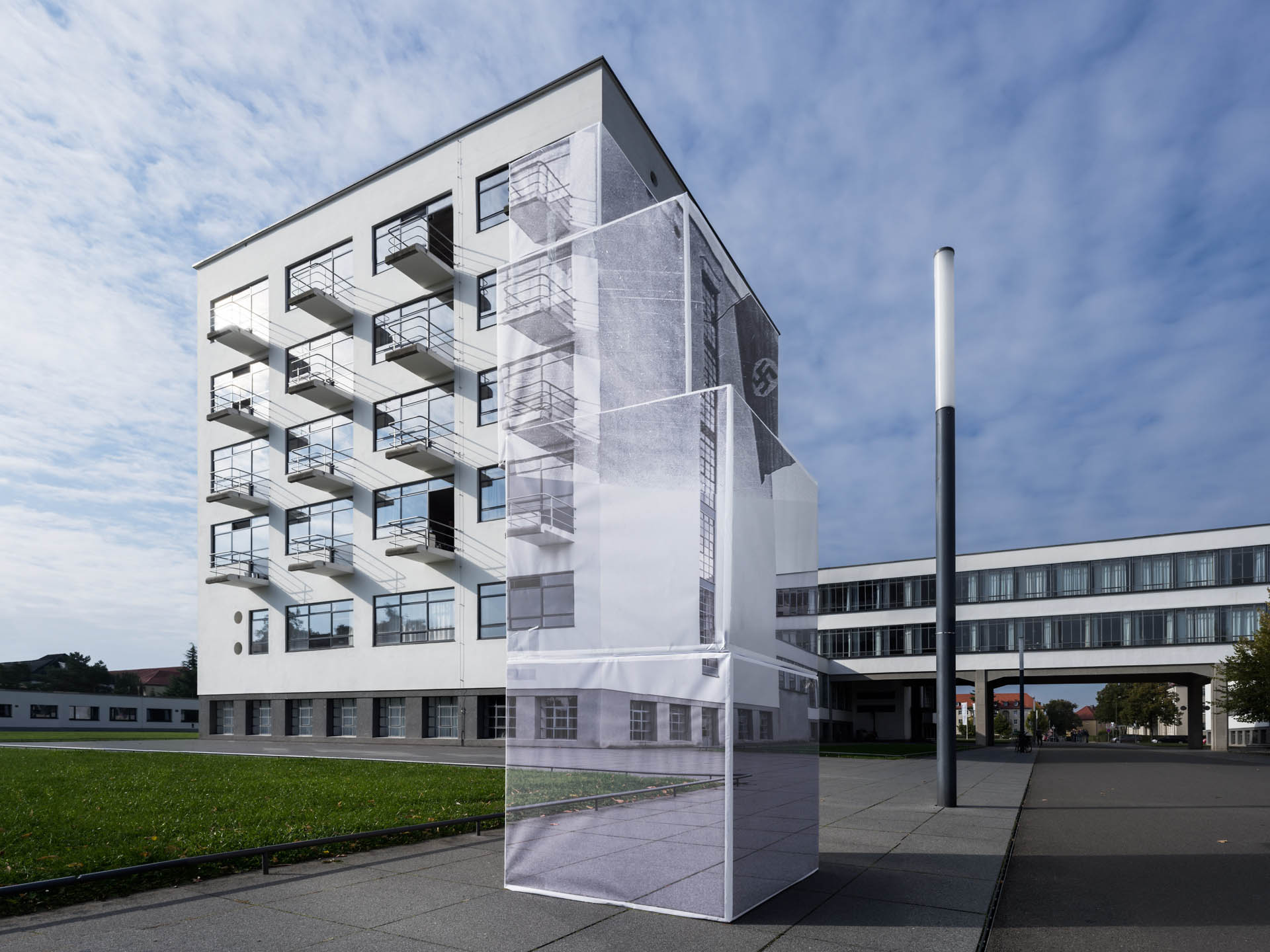
Prellerhaus, Fine Art Print, 110 x 145 cm
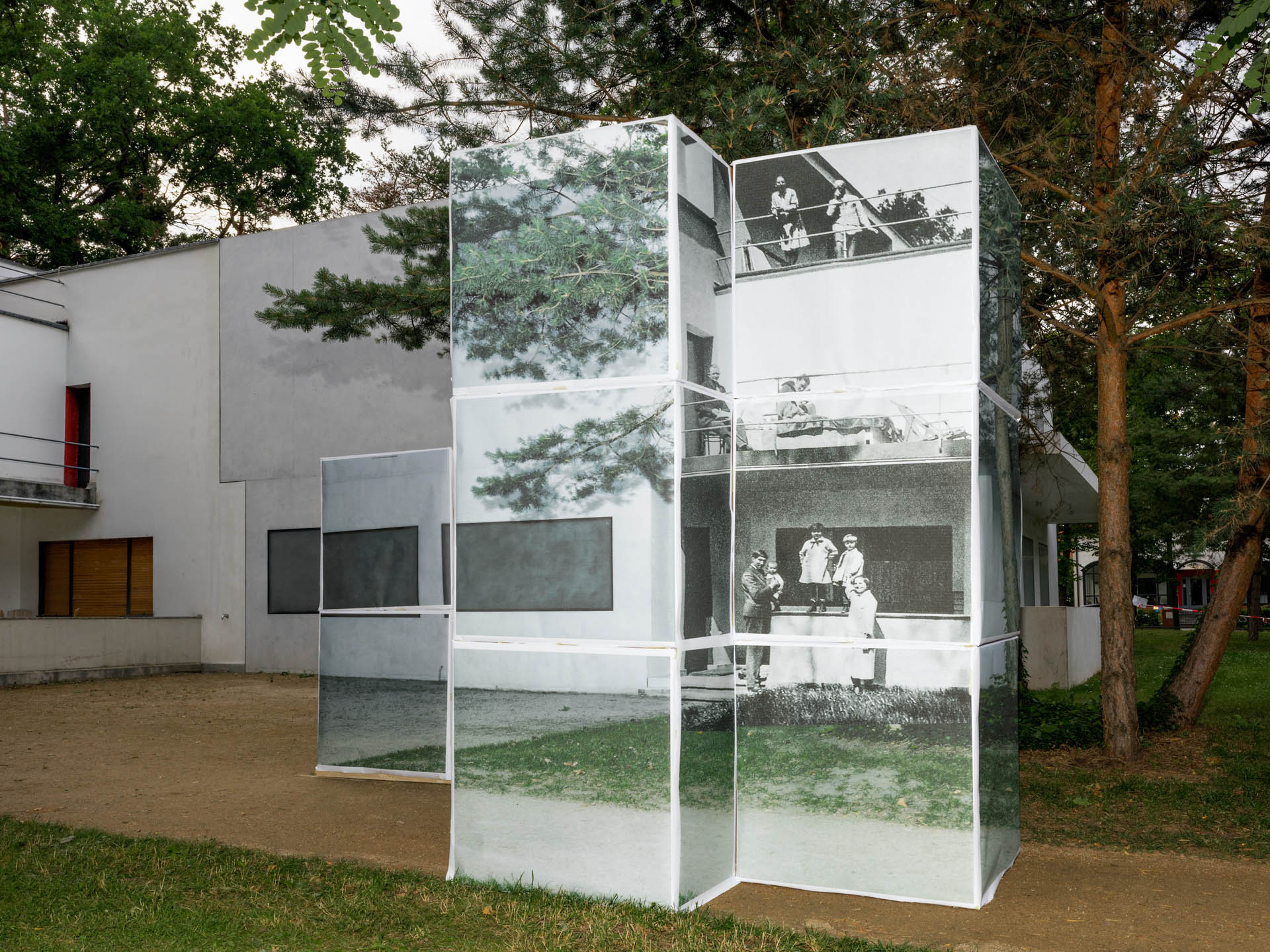
Moholy Nagy, Fine Art Print, 110 x 145 cm
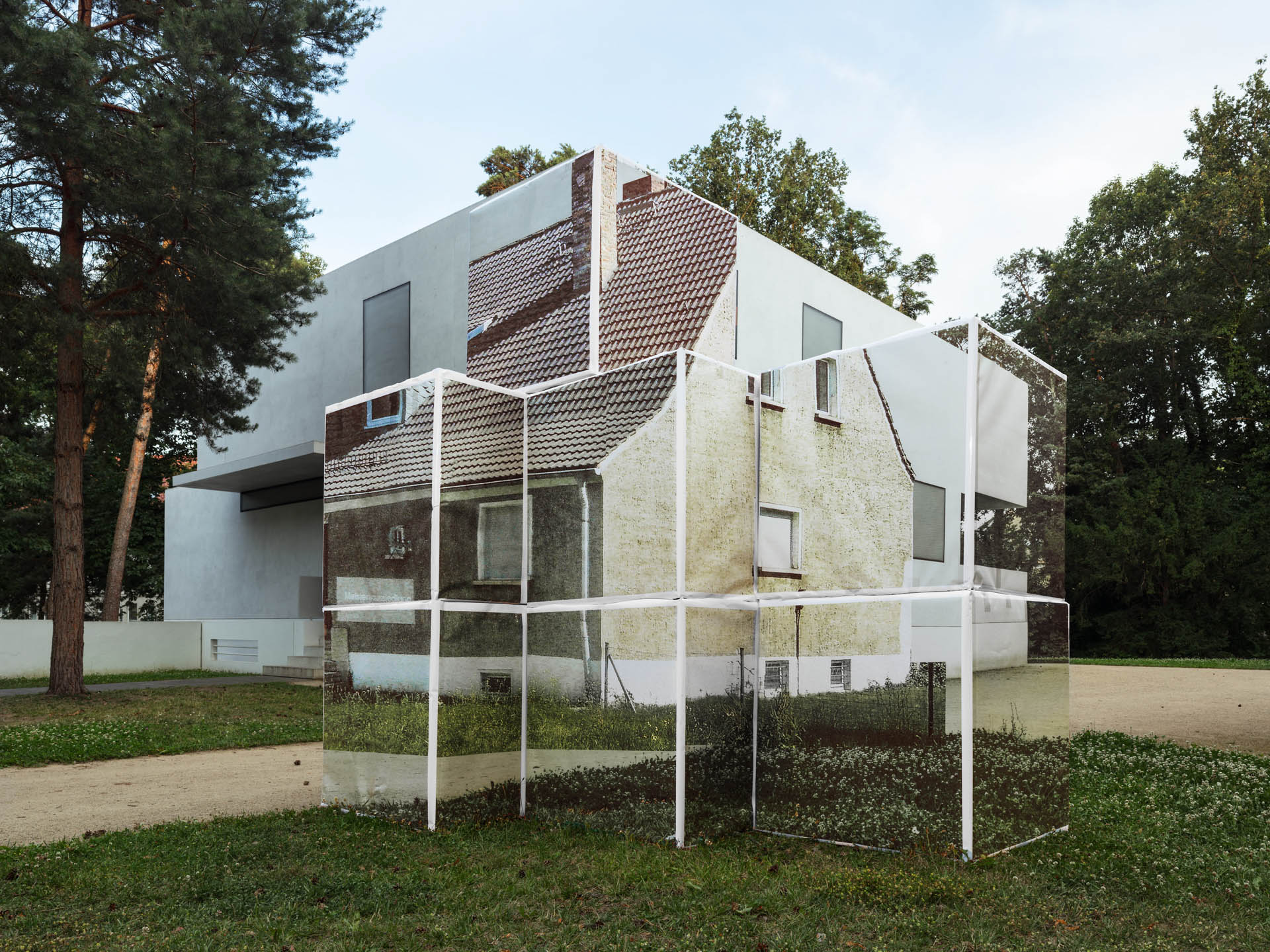
Gropius 01, Fine Art Print, 110 x 145 cm
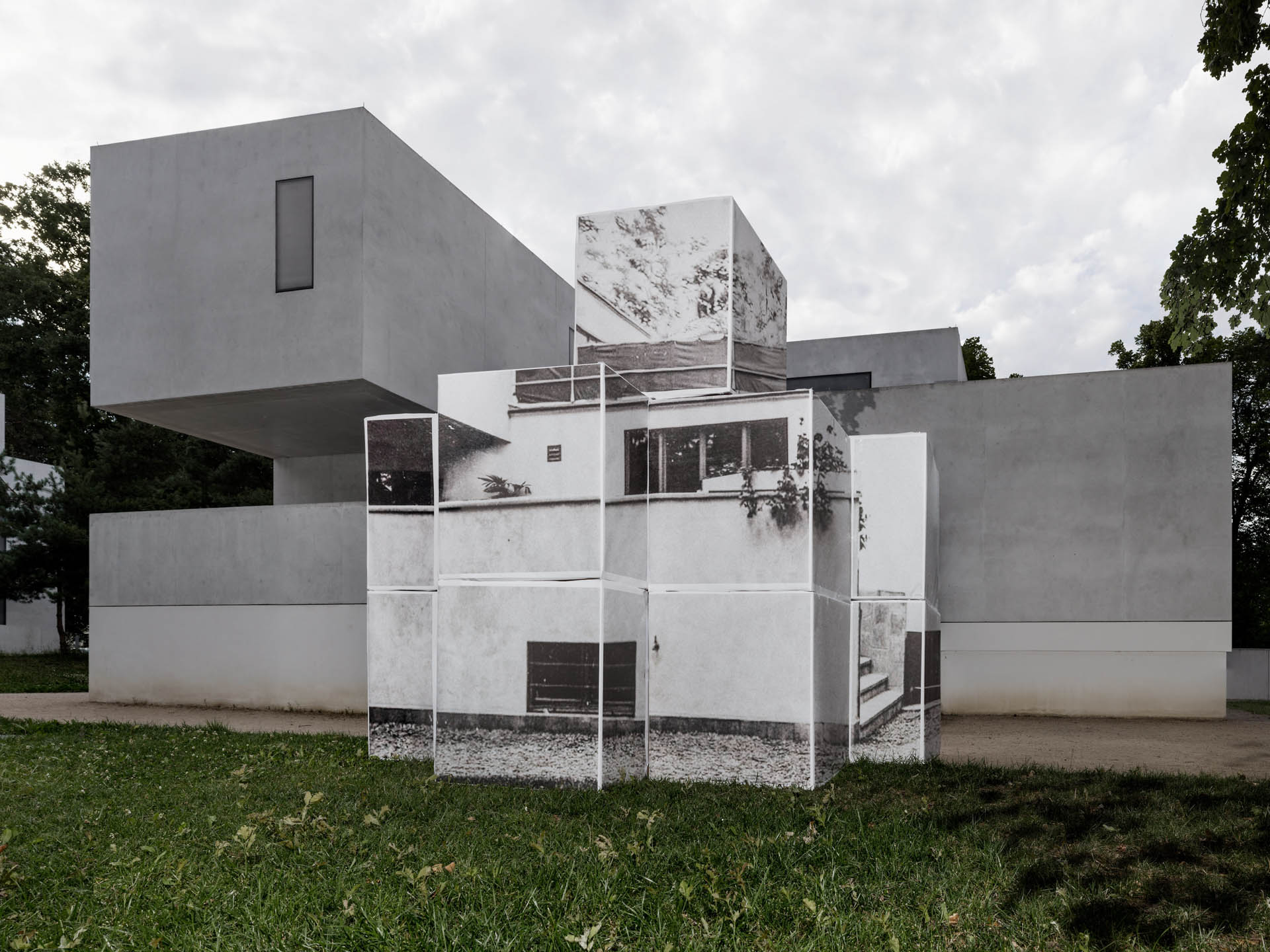
Gropius 02, Fine Art Print, 110 x 145 cm
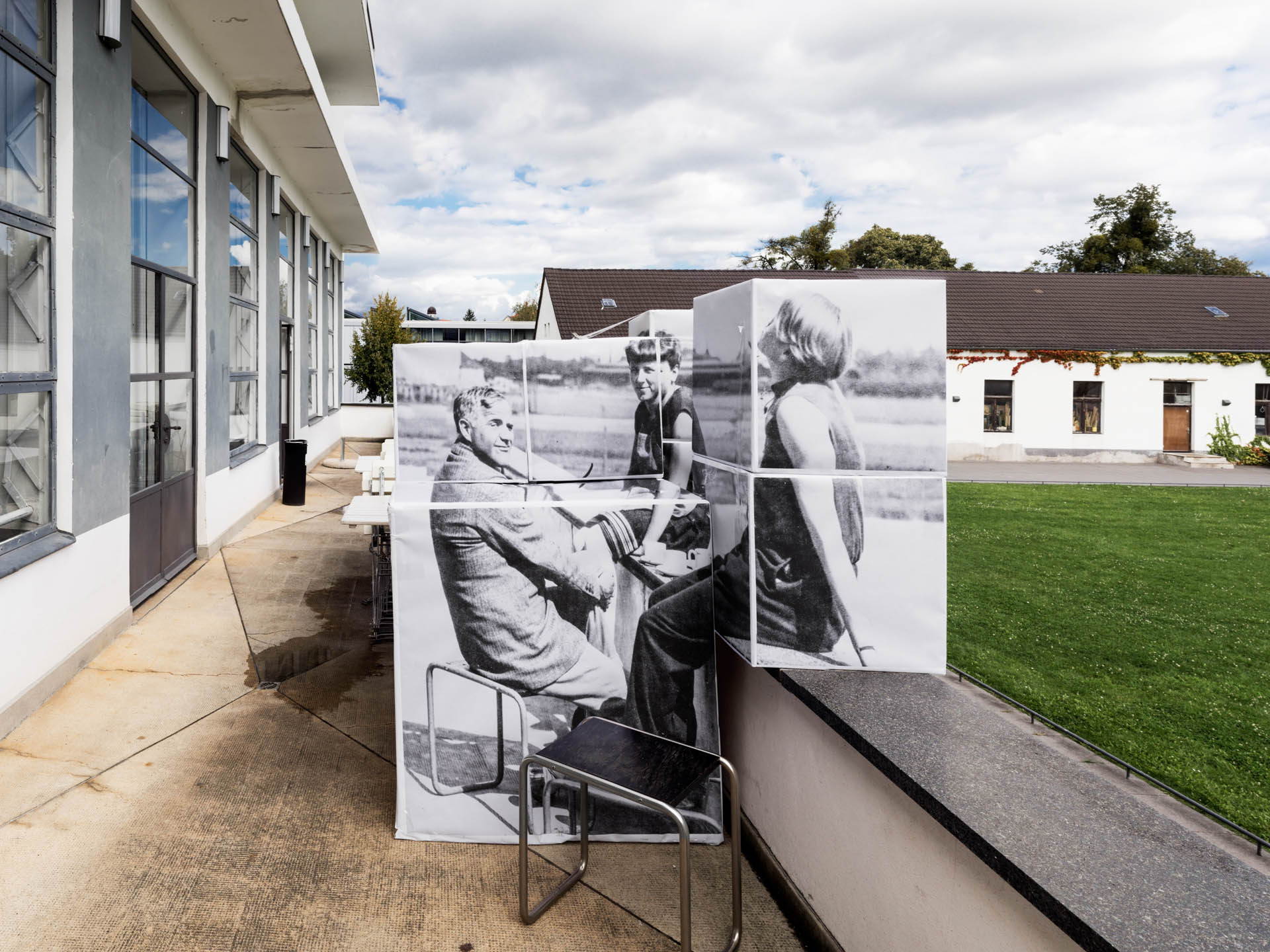
Hannes Meyer with students on canteen terrace, Fine Art Print, 110 x 145 cm
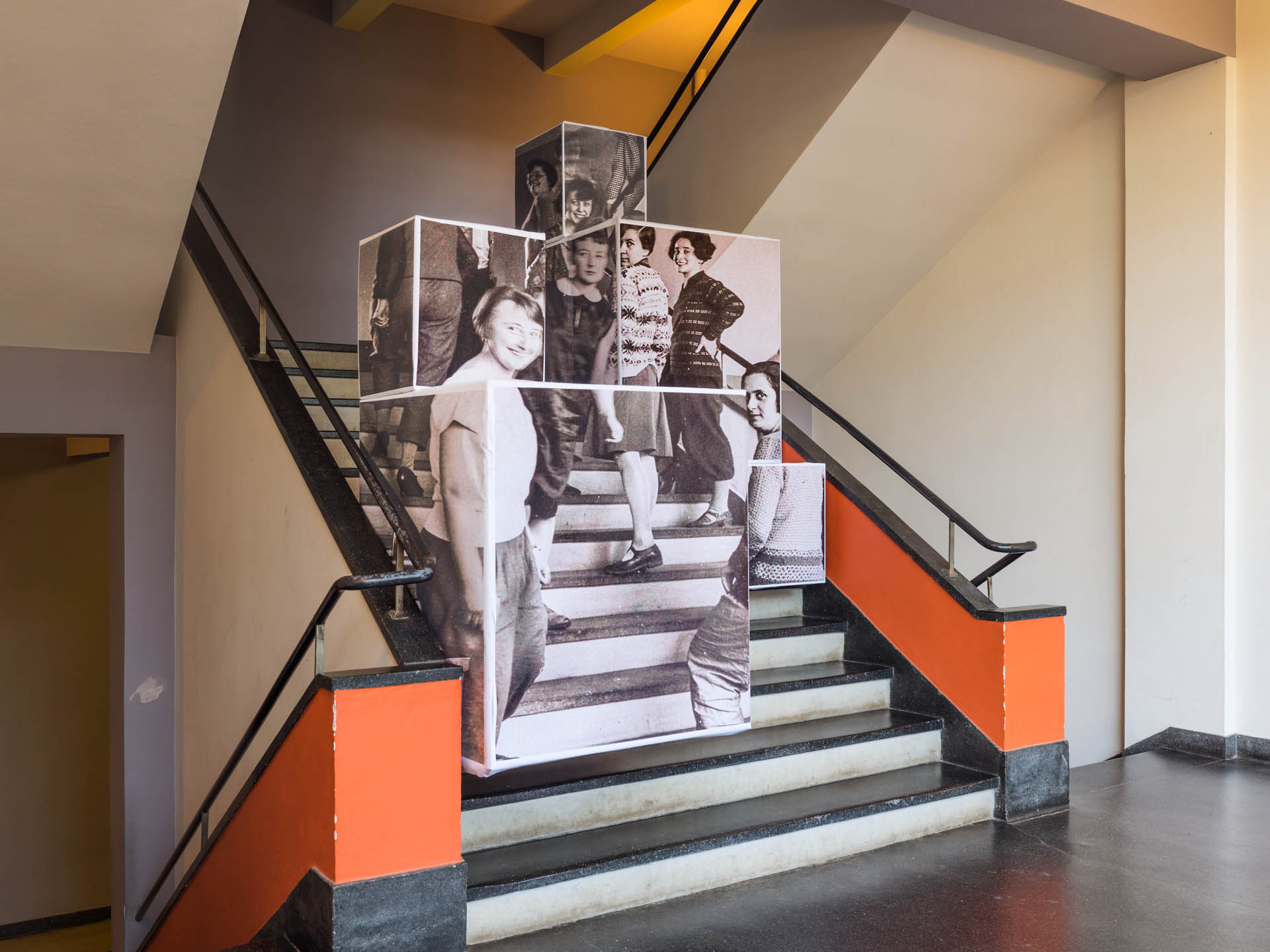
The Bauhaus weavers, Fine Art Print, 110 x 145 cm
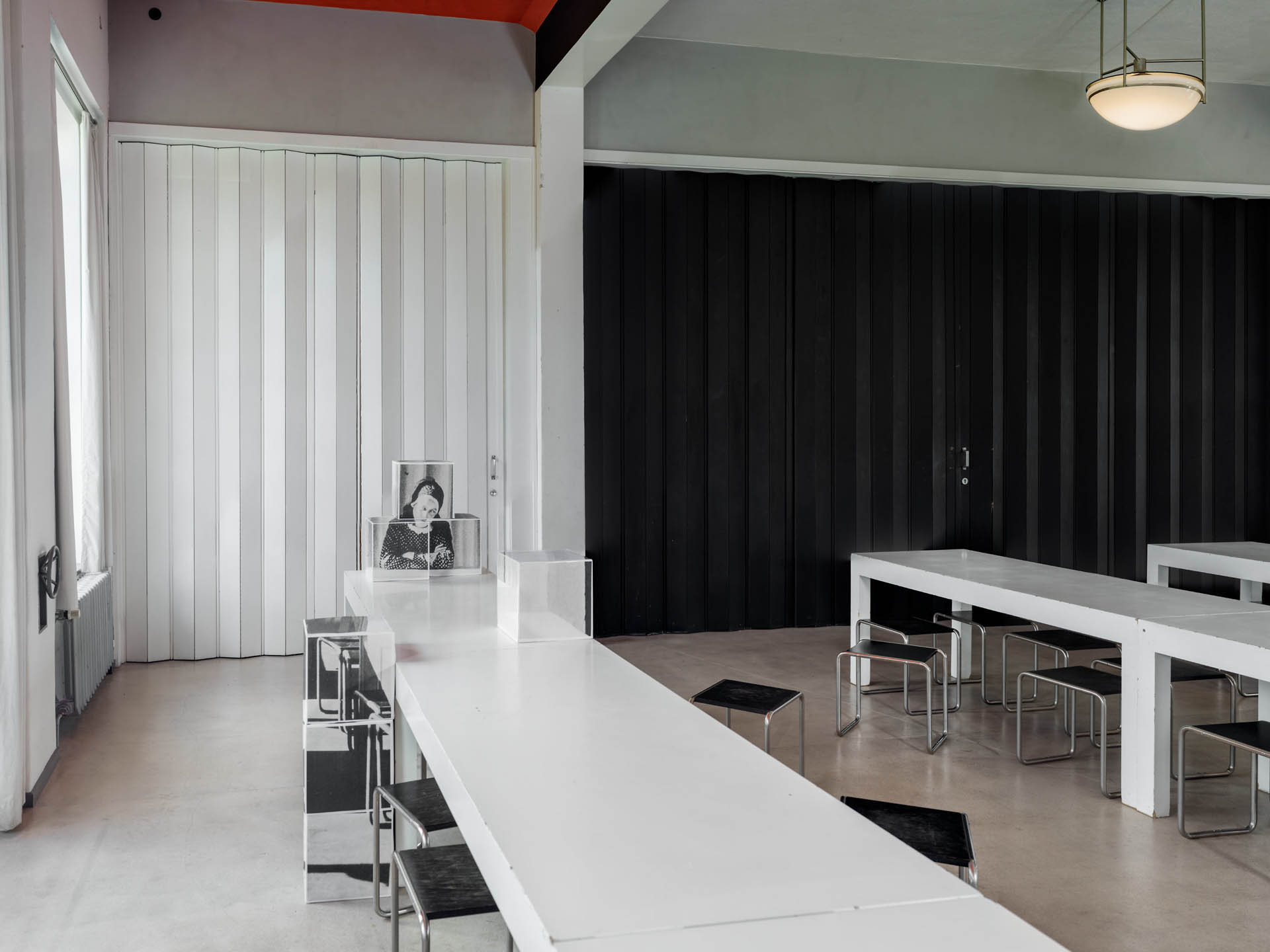
Otti-Berger, Fine Art Print, 110 x 145 cm
Size comparison and ratio, 2018
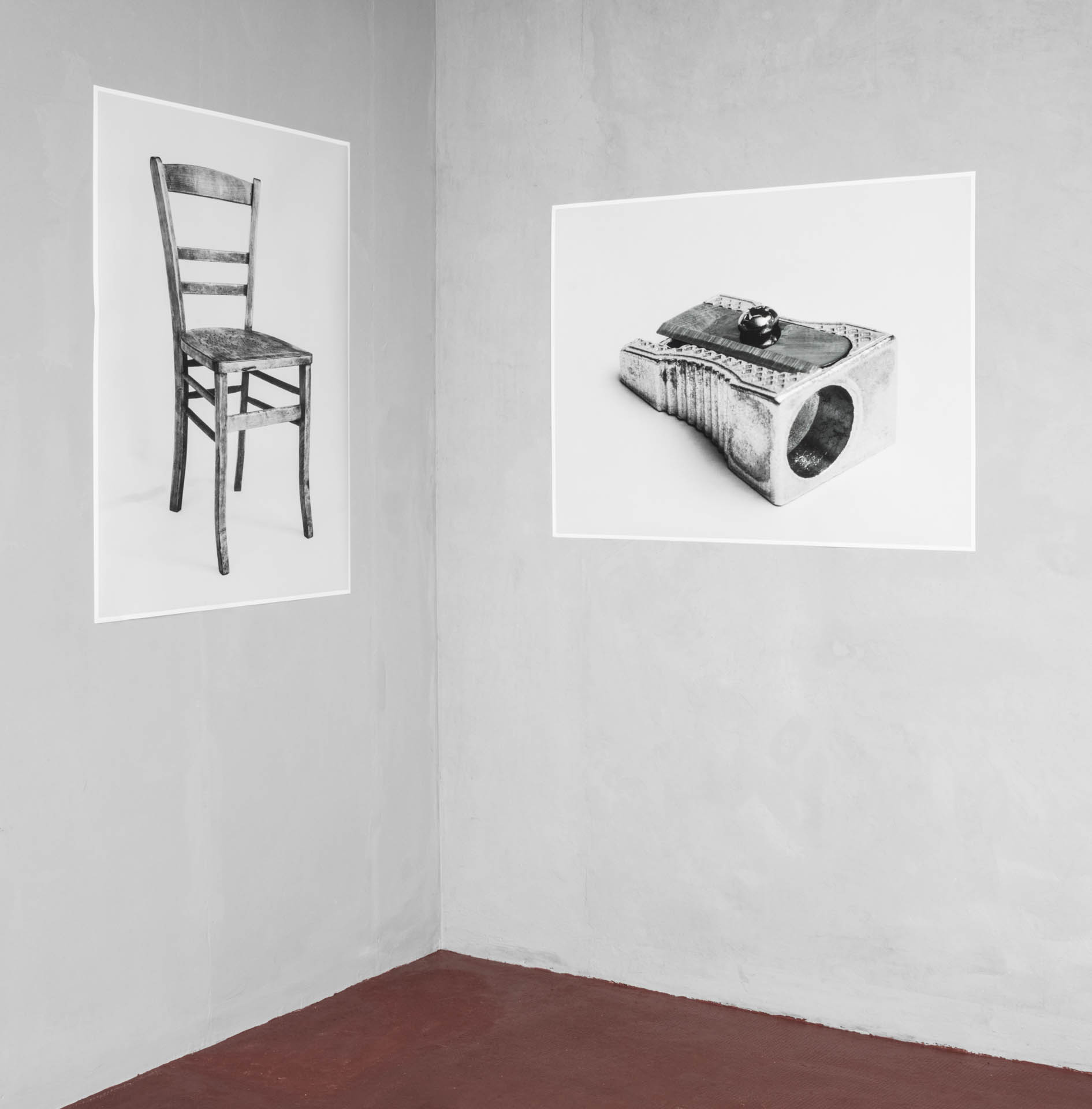
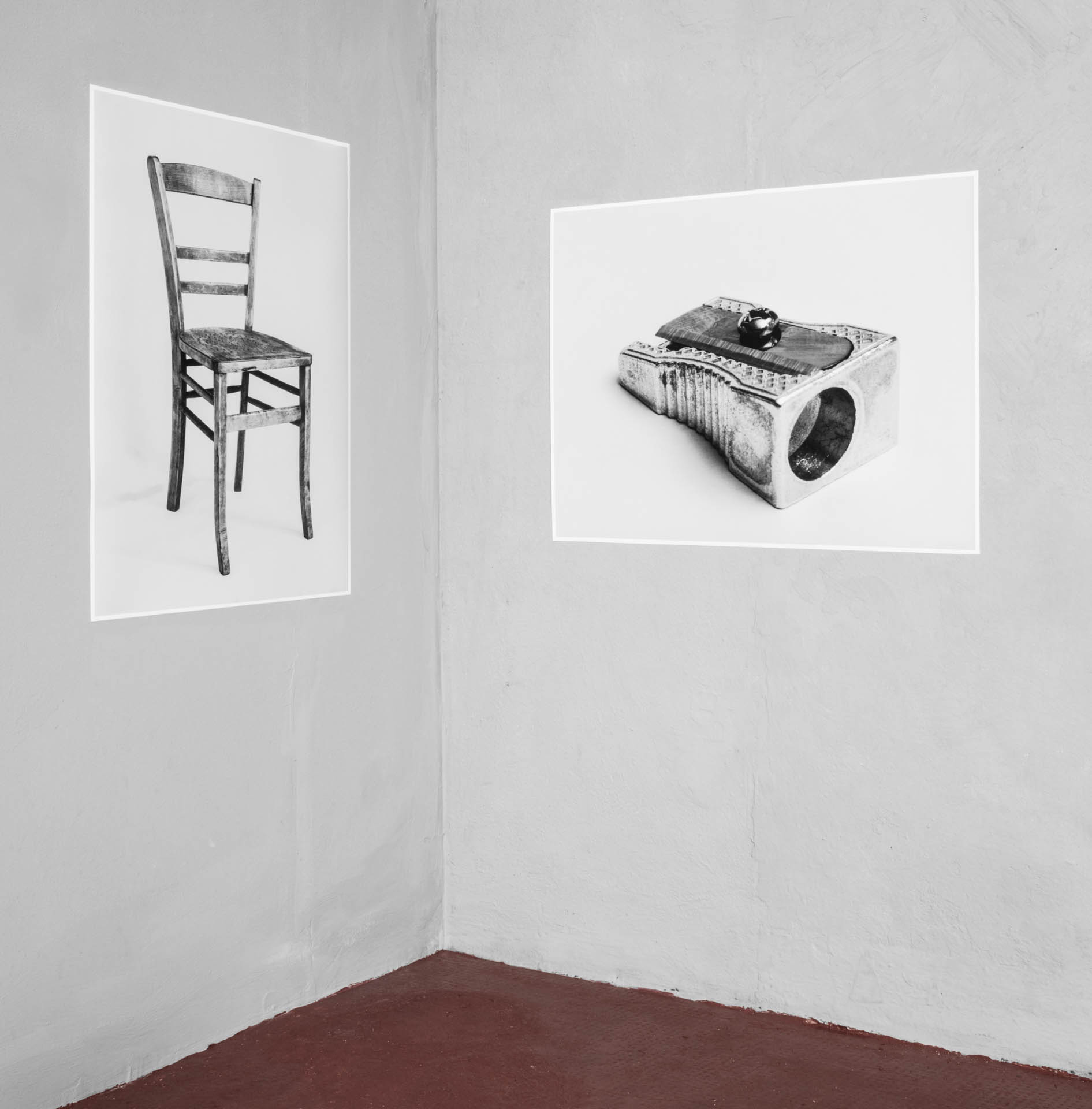
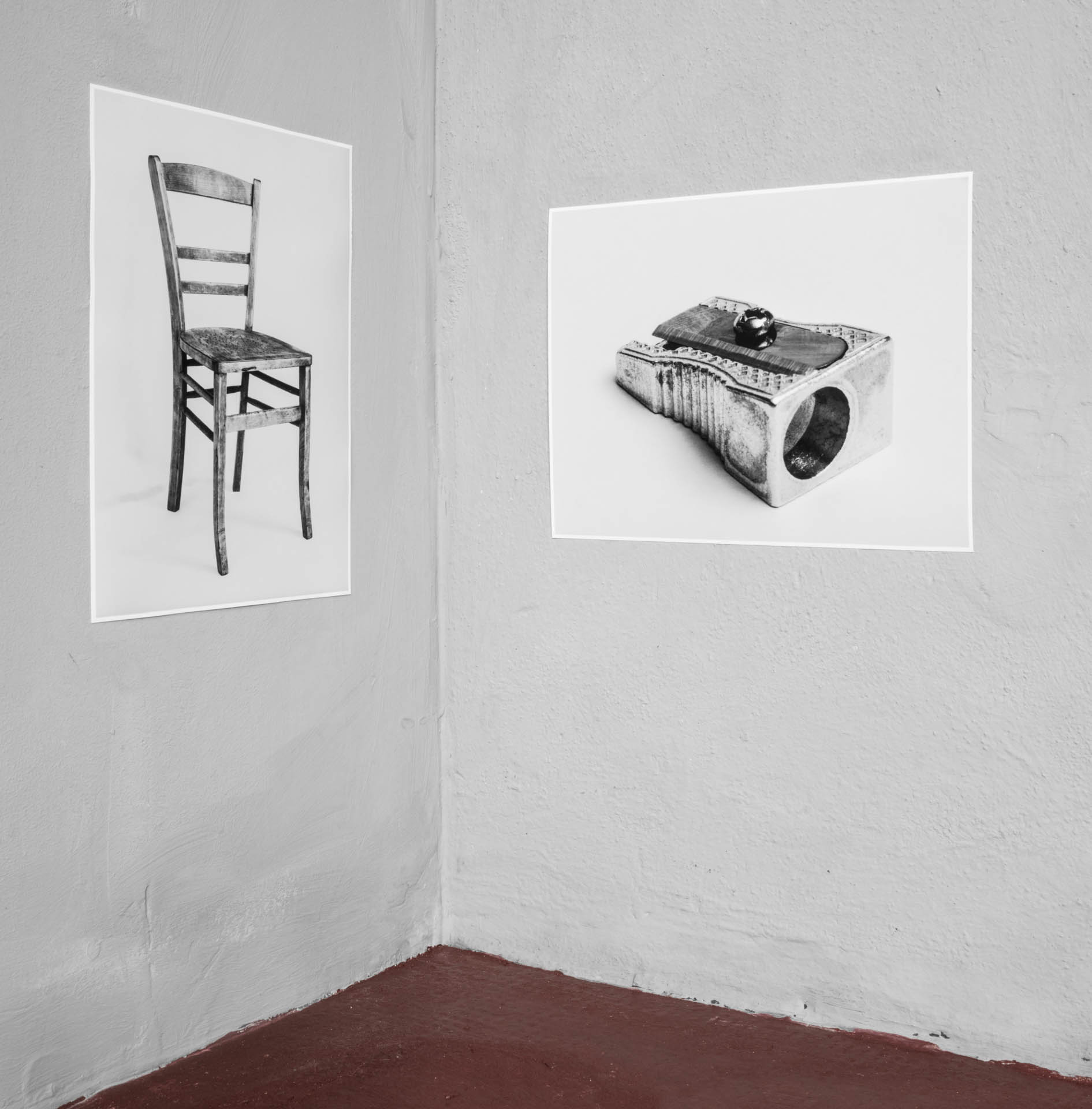
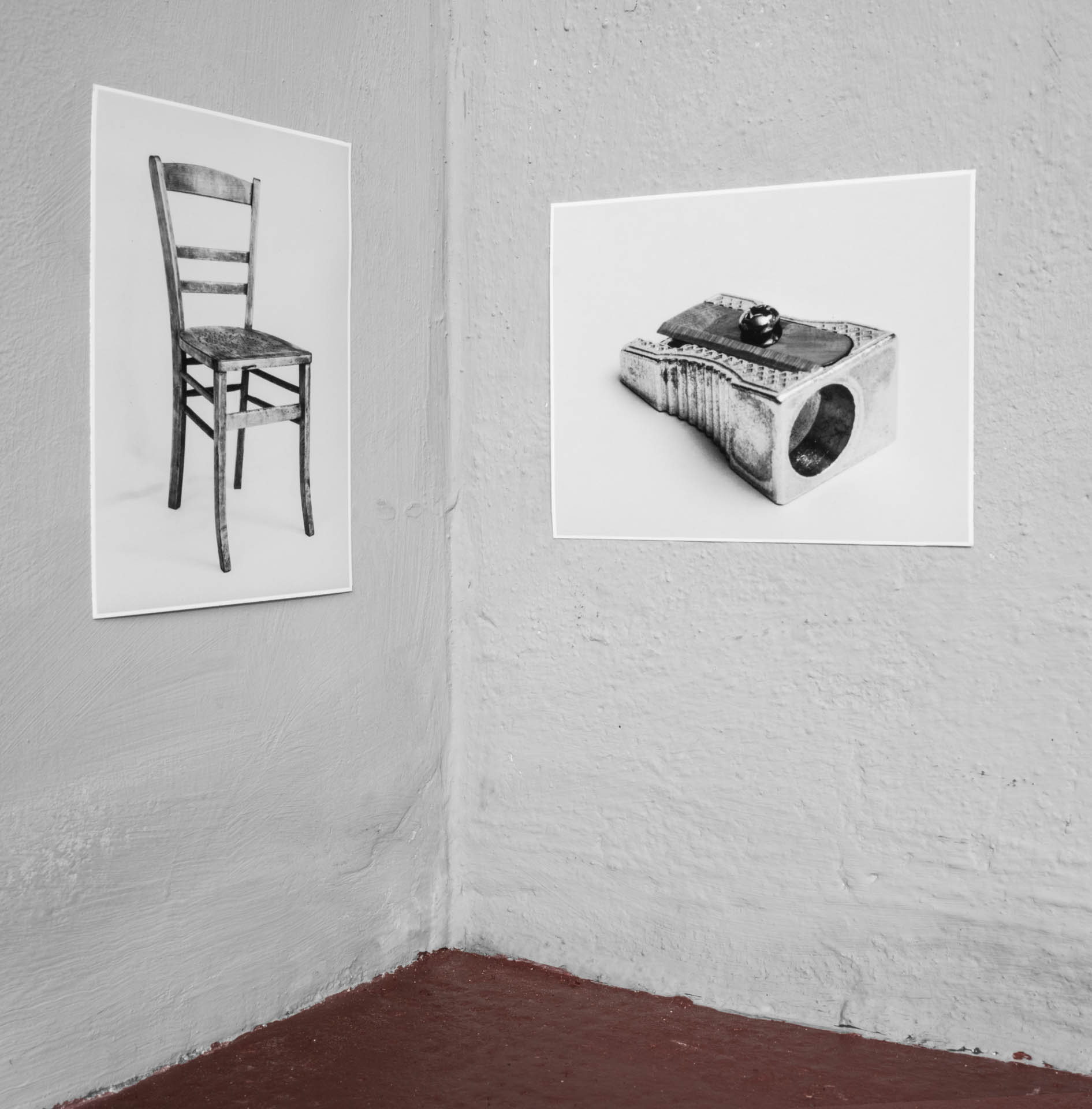
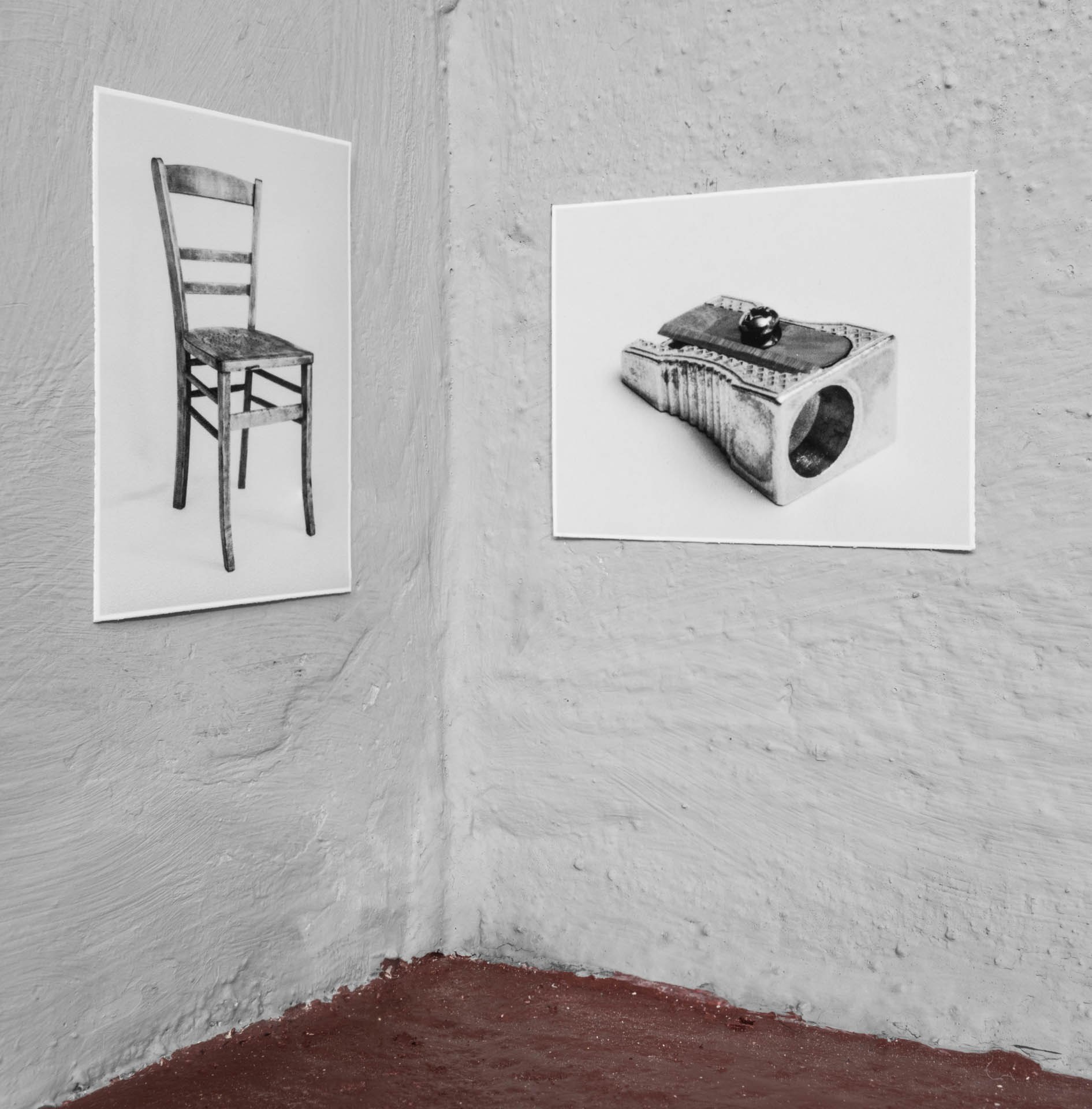
The five-part work is based on a photographed installation consisting of two prints hung side by side: a photograph of a chair and a photograph of a pencil sharpener.
The starting point is a print of the chair at a scale of 1:1 and a print of the pencil sharpener at a scale of 16:1. Both photographs are installed and photographed together in the space.
For each subsequent shot, the entire setting is systematically halved: the edge lengths of the prints, the camera height, and the distance to the installation. This process is repeated over four reduction steps.
The photographic result remains geometrically unchanged. In all five images of the series, the two motifs appear in the exact same size ratio to each other and within an identical image section. No proportion shifts.
The serial construction only becomes visible on a material level: With each reduction, the surface structures of the wall and floor change, and the photographic paper of the shrinking prints reacts differently in physical terms. Only these material differences reveal that these are not identical prints of the same image.
The starting point is a print of the chair at a scale of 1:1 and a print of the pencil sharpener at a scale of 16:1. Both photographs are installed and photographed together in the space.
For each subsequent shot, the entire setting is systematically halved: the edge lengths of the prints, the camera height, and the distance to the installation. This process is repeated over four reduction steps.
The photographic result remains geometrically unchanged. In all five images of the series, the two motifs appear in the exact same size ratio to each other and within an identical image section. No proportion shifts.
The serial construction only becomes visible on a material level: With each reduction, the surface structures of the wall and floor change, and the photographic paper of the shrinking prints reacts differently in physical terms. Only these material differences reveal that these are not identical prints of the same image.
5 Fine Art Prints, each 50 x 50 cm
The great fireplace room I-III, 2014, 2015, 2016
Fine art print in a wooden frame, 97 x 120 cm
Download PDF (0,6 MB):
The great fireplace room - an analysis with details
(Webansicht)
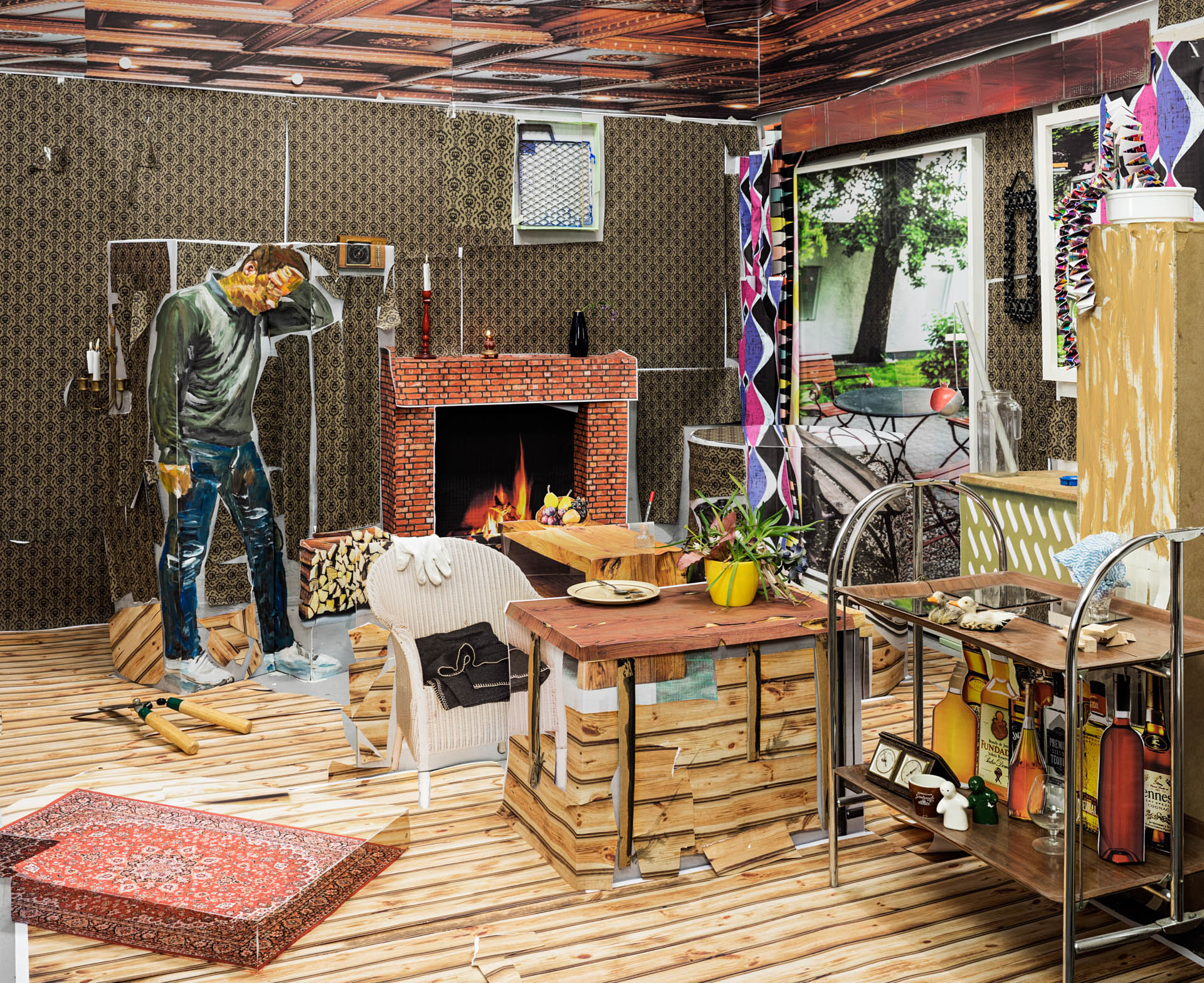
Fine art print in a wooden frame, 97 x 120 cm
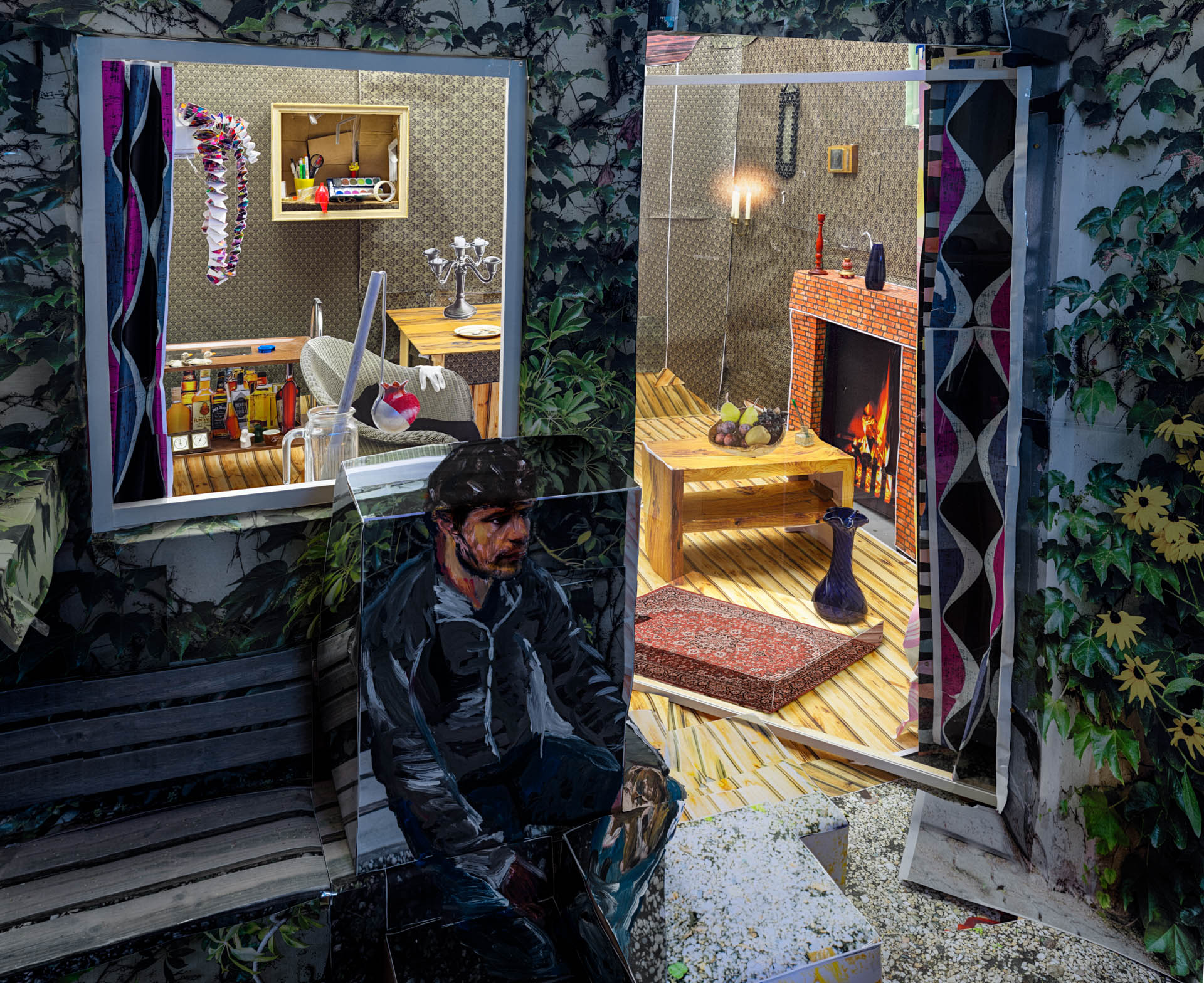
Fine art print in a wooden frame, 97 x 120 cm
Kundmanngasse 19, 2015
In 1925 Margaret Stonborough Wittgenstein commissioned the architect Paul Engelmann to construct a representative urban mansion in Vienna.
In 1926 her brother, the philosopher Ludwig Wittgenstein, became involved in the design process and assumed responsibility for most of the planning.
After almost four years of construction, in late 1928 Margaret, her family and numerous servants took up residency in Haus Wittgenstein. Virtually every major and minor figure of the Viennese cultural scene at the time were guests of hers at some point. With the exception of a 7-year exile in the United States, Margaret would live in Haus Wittgenstein until her death in 1958. Ludwig Wittgenstein planned the construction of the house between the composition of his two main philosophical works, the theories of which are unmistakeably recognizable in the architecture.
The Haus Wittgenstein is in this sense an architectural manifestation of his philosophy.
After almost four years of construction, in late 1928 Margaret, her family and numerous servants took up residency in Haus Wittgenstein. Virtually every major and minor figure of the Viennese cultural scene at the time were guests of hers at some point. With the exception of a 7-year exile in the United States, Margaret would live in Haus Wittgenstein until her death in 1958. Ludwig Wittgenstein planned the construction of the house between the composition of his two main philosophical works, the theories of which are unmistakeably recognizable in the architecture.
The Haus Wittgenstein is in this sense an architectural manifestation of his philosophy.
Haus der Photographie Deichtorhallen, Hamburg
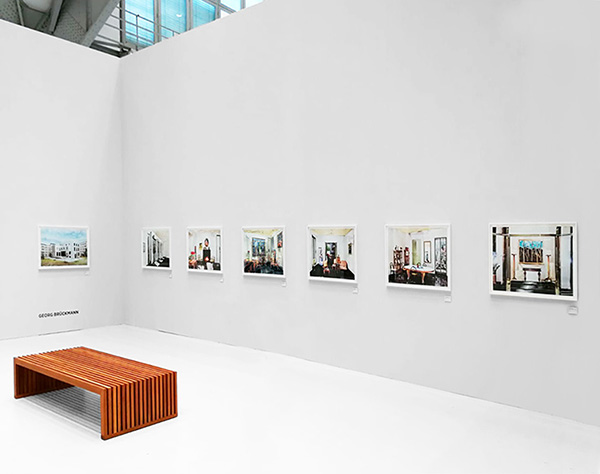
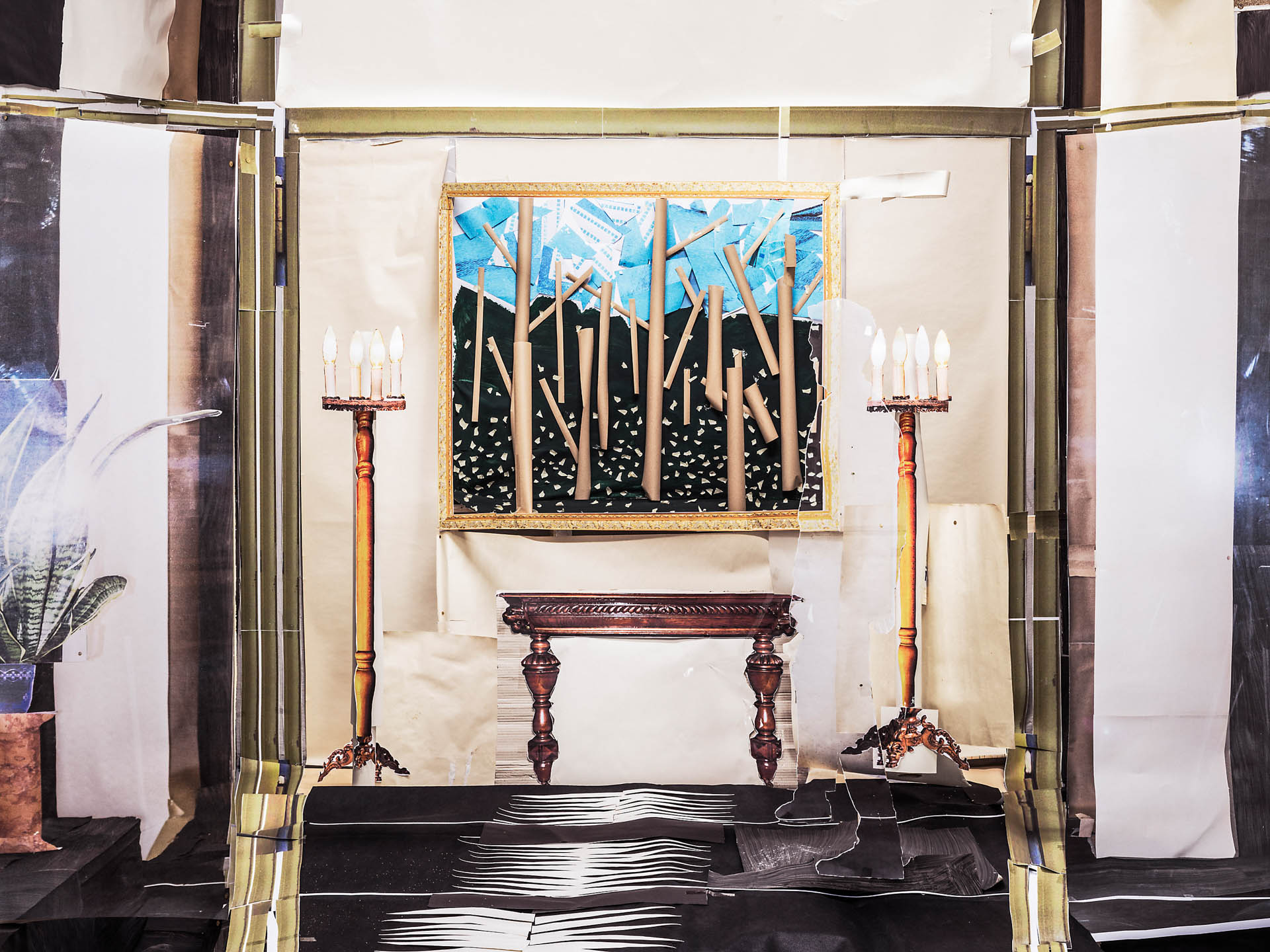
Kundmanngasse 19 - Halle, glass framed fine art print, 105 x 140 cm
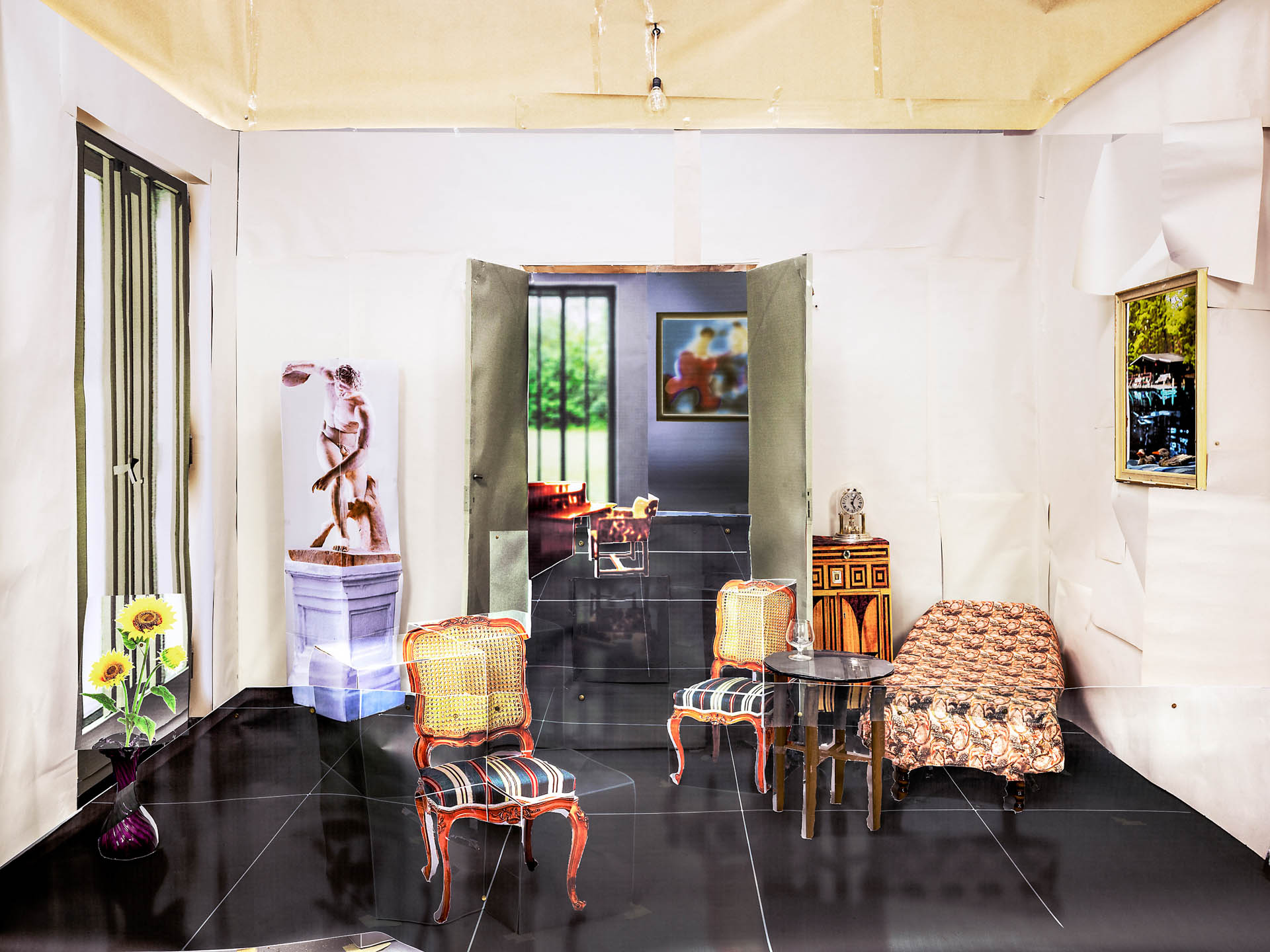
Kundmanngasse 19 - Saal I, glass framed fine art print, 105 x 140 cm
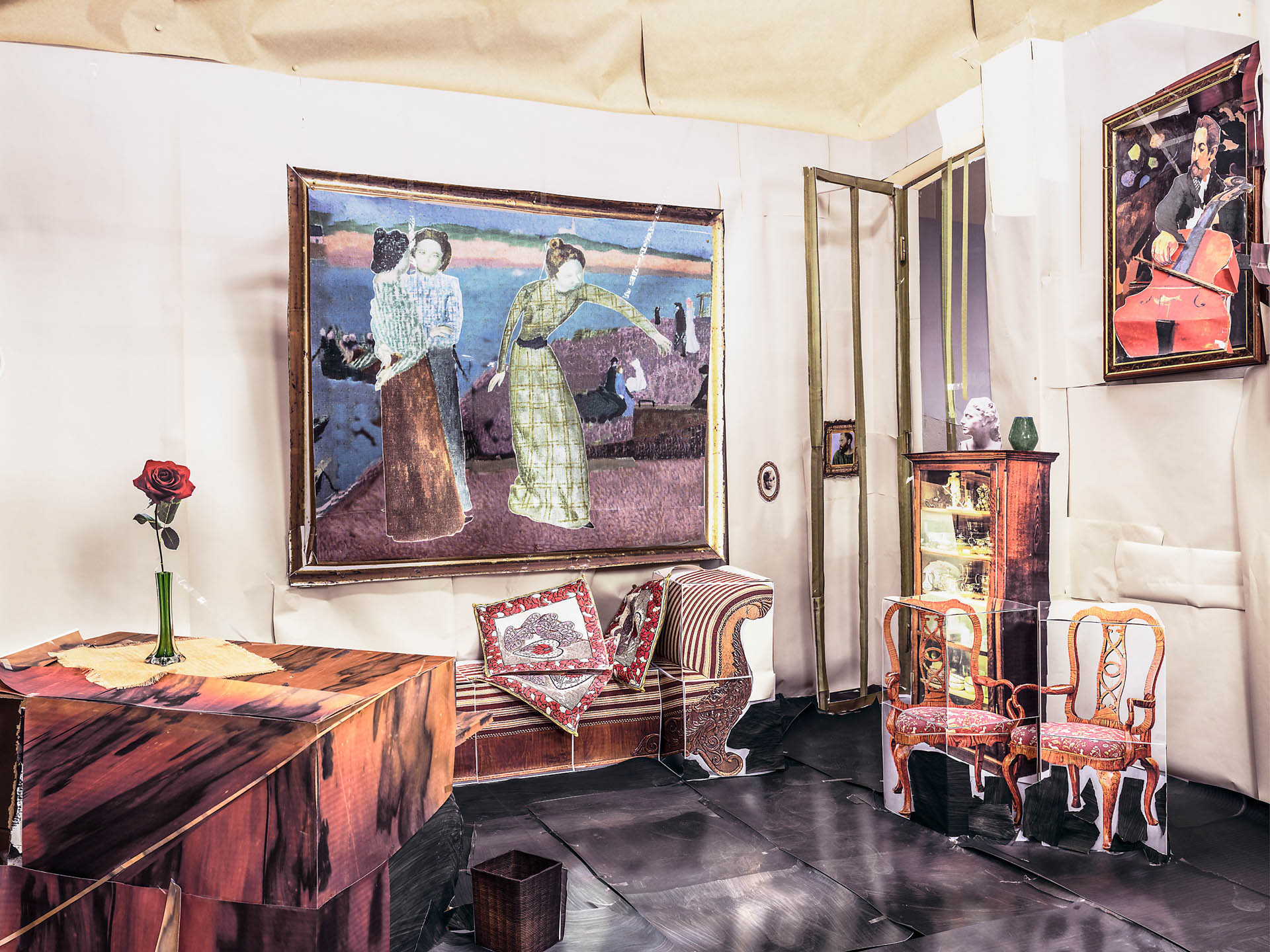
Kundmanngasse 19 - Bibliothek, glass framed fine art print, 105 x 140 cm
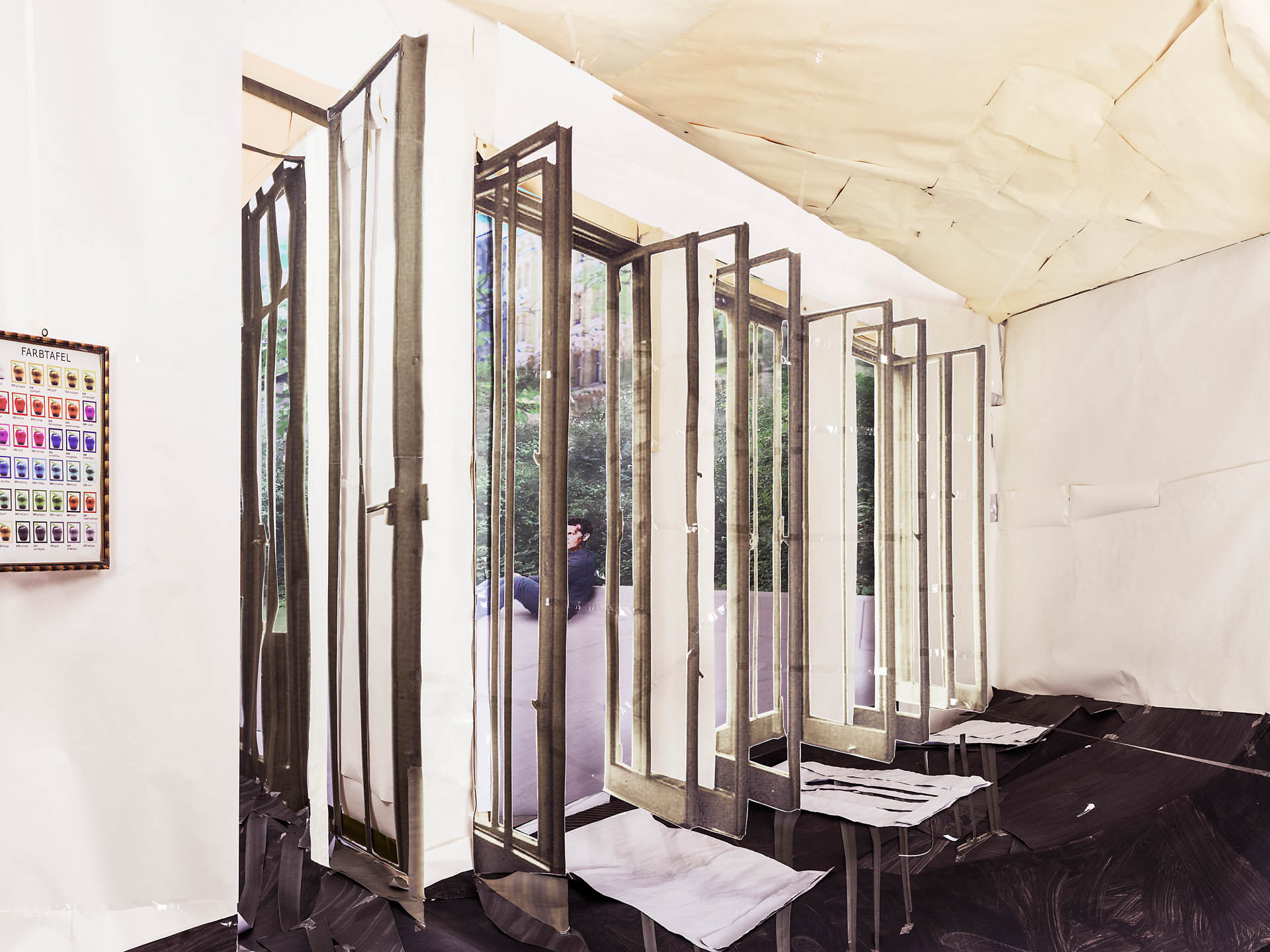
Kundmanngasse 19 - Speisezimmer, glass framed fine art print, 105 x 140 cm
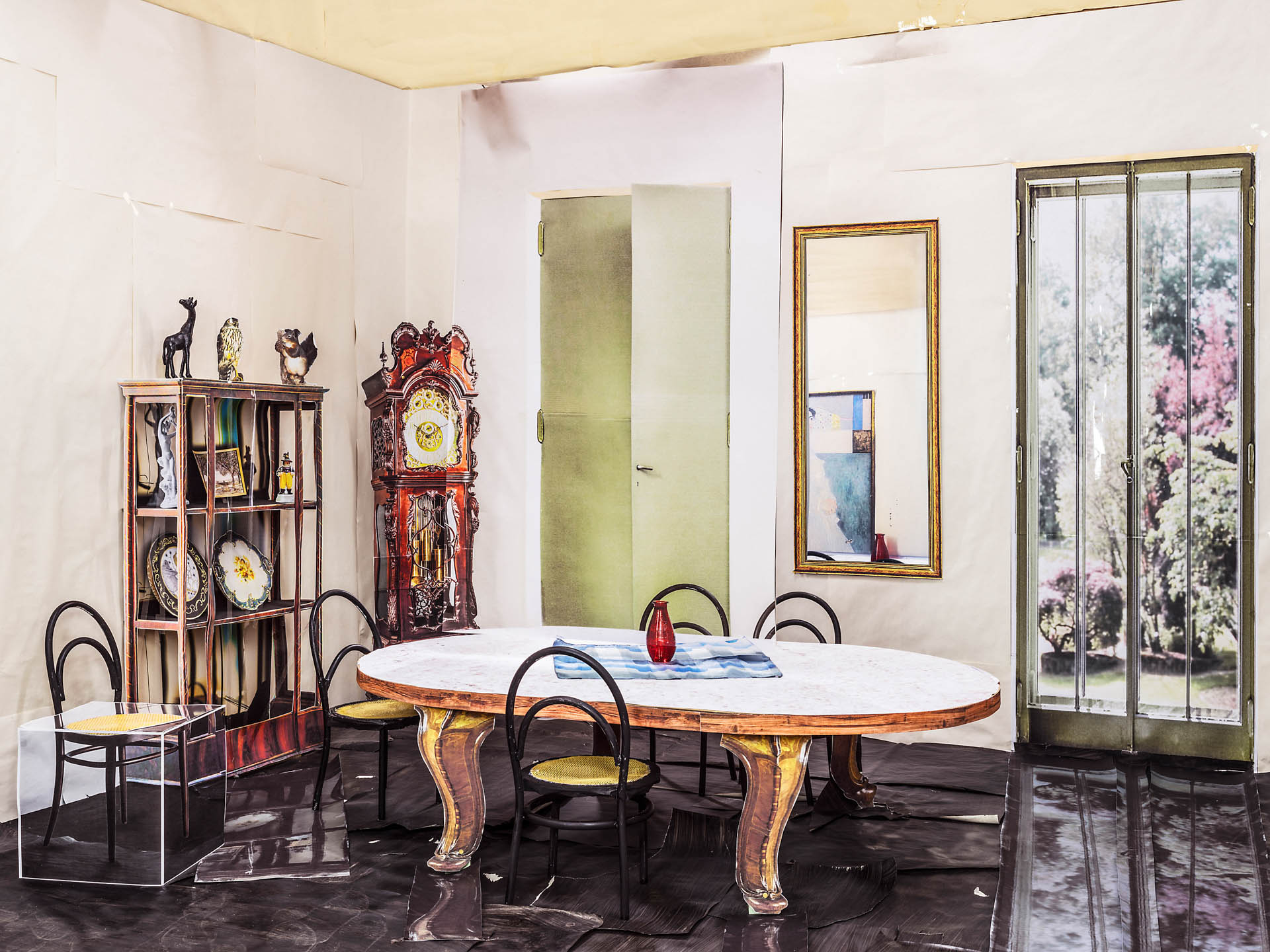
Kundmanngasse 19 - Saal II, glass framed fine art print, 105 x 140 cm
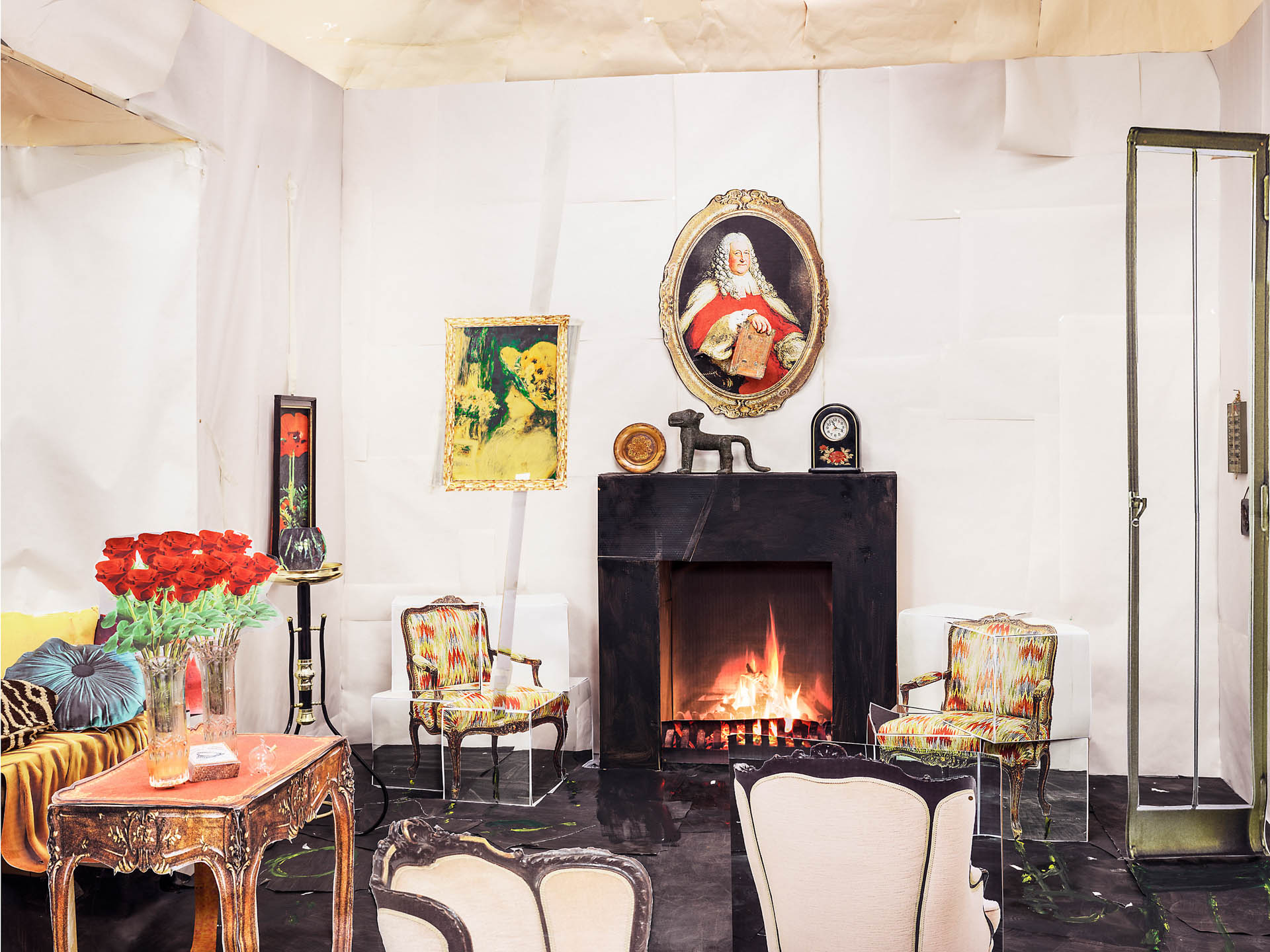
Kundmanngasse 19 - Wohnzimmer, glass framed fine art print, 105 x 140 cm
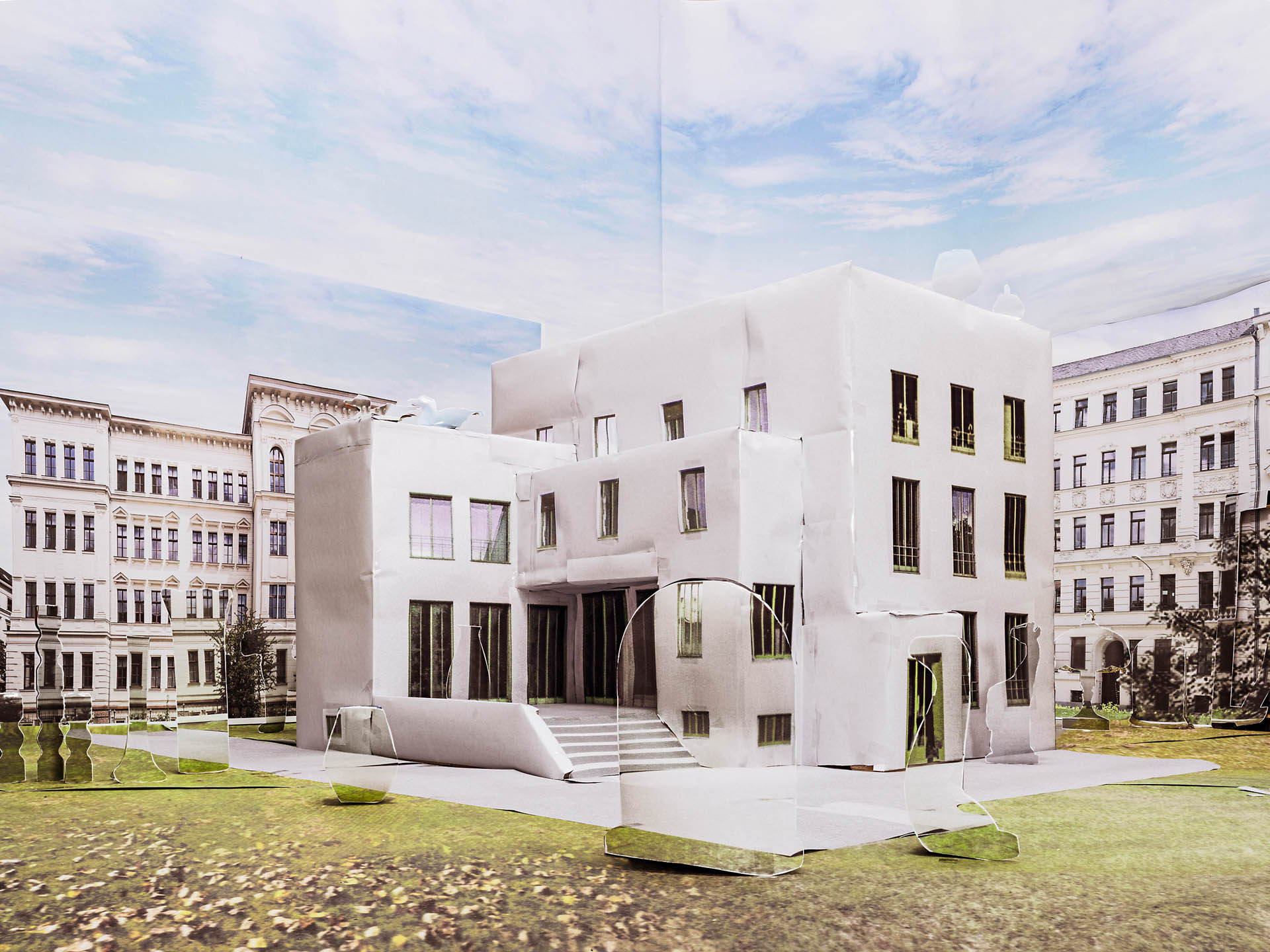
Kundmanngasse 19 - Palais Südseite, glass framed fine art print, 105 x 140 cm
256 kB.jpg hexadecimal of itself, 2014

256 kB.jpg hexadecimal of itself, inkjet print, 61 x 82 cm
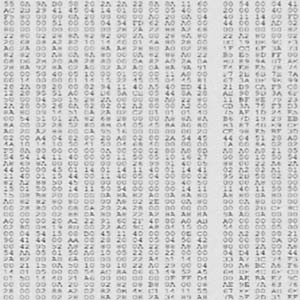
Detail
The image and his ideational object, 2013/2014 (selection)
Installation views, E-Werk, Freiburg
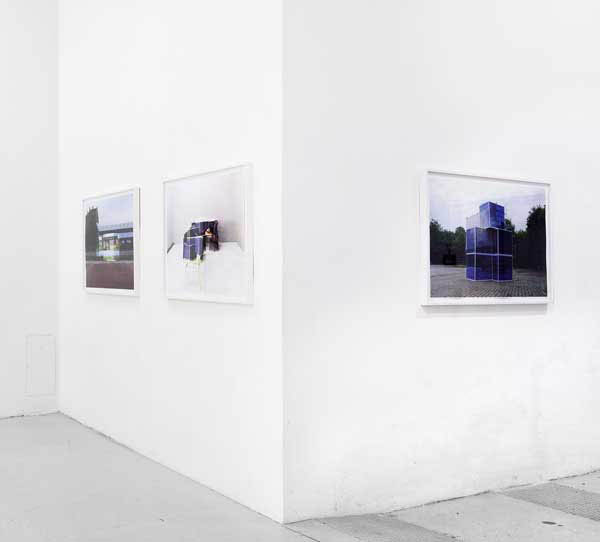
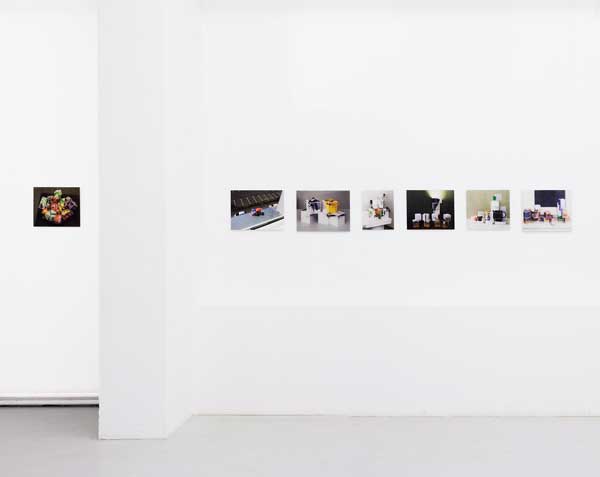
According to Plato's "theory of Forms", everything material that we perceive is only the image of a "higher", metaphysical idea.
We cannot grasp this original state of all things with our senses. We perceive the world as it is NOT, but perhaps could be.
We therefore do not perceive the world as it is, but see images of the "things in themselves" in different states.
more...
more...
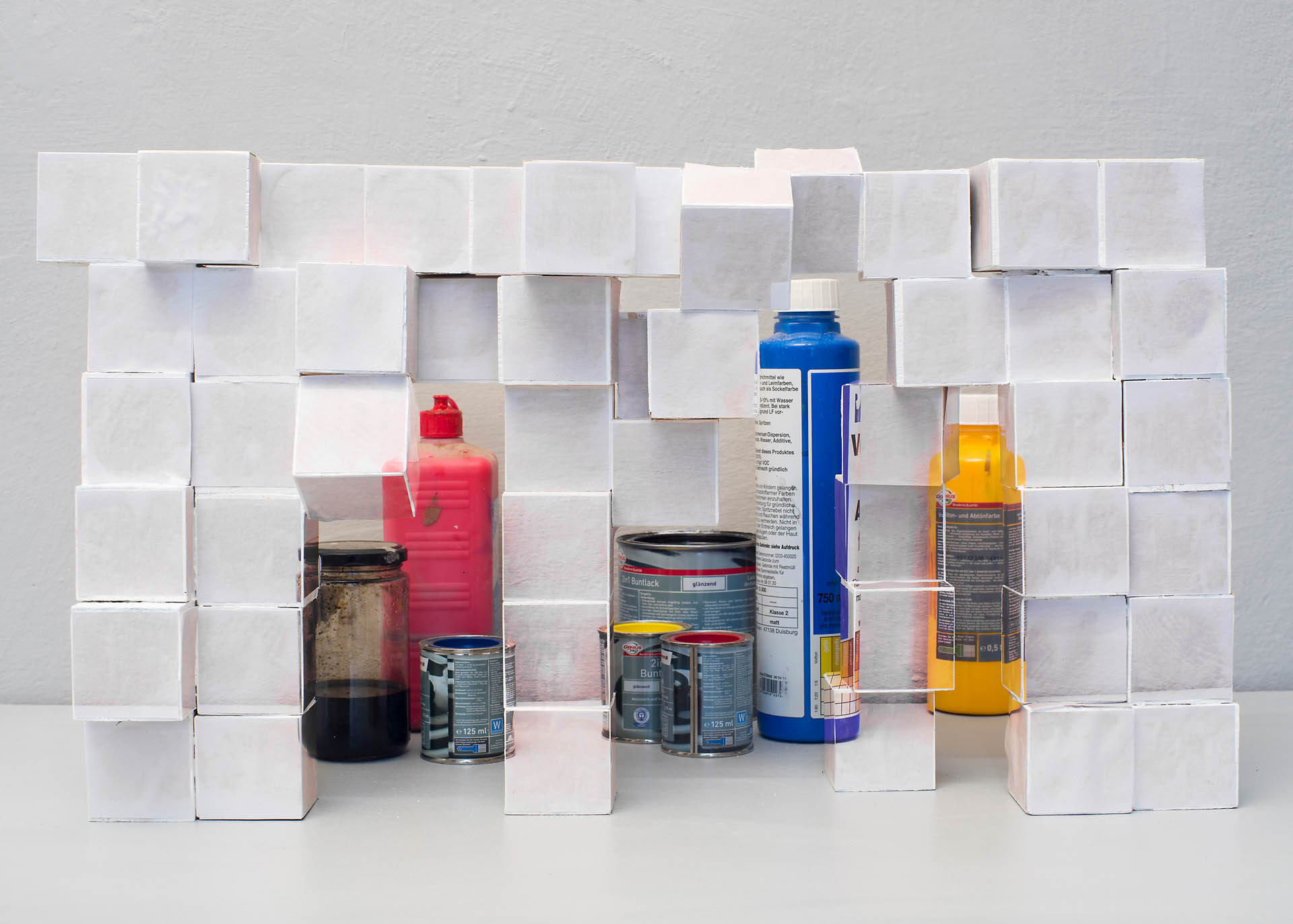
Fine art print on dibond behind acrylic glass, 30 x 40 cm
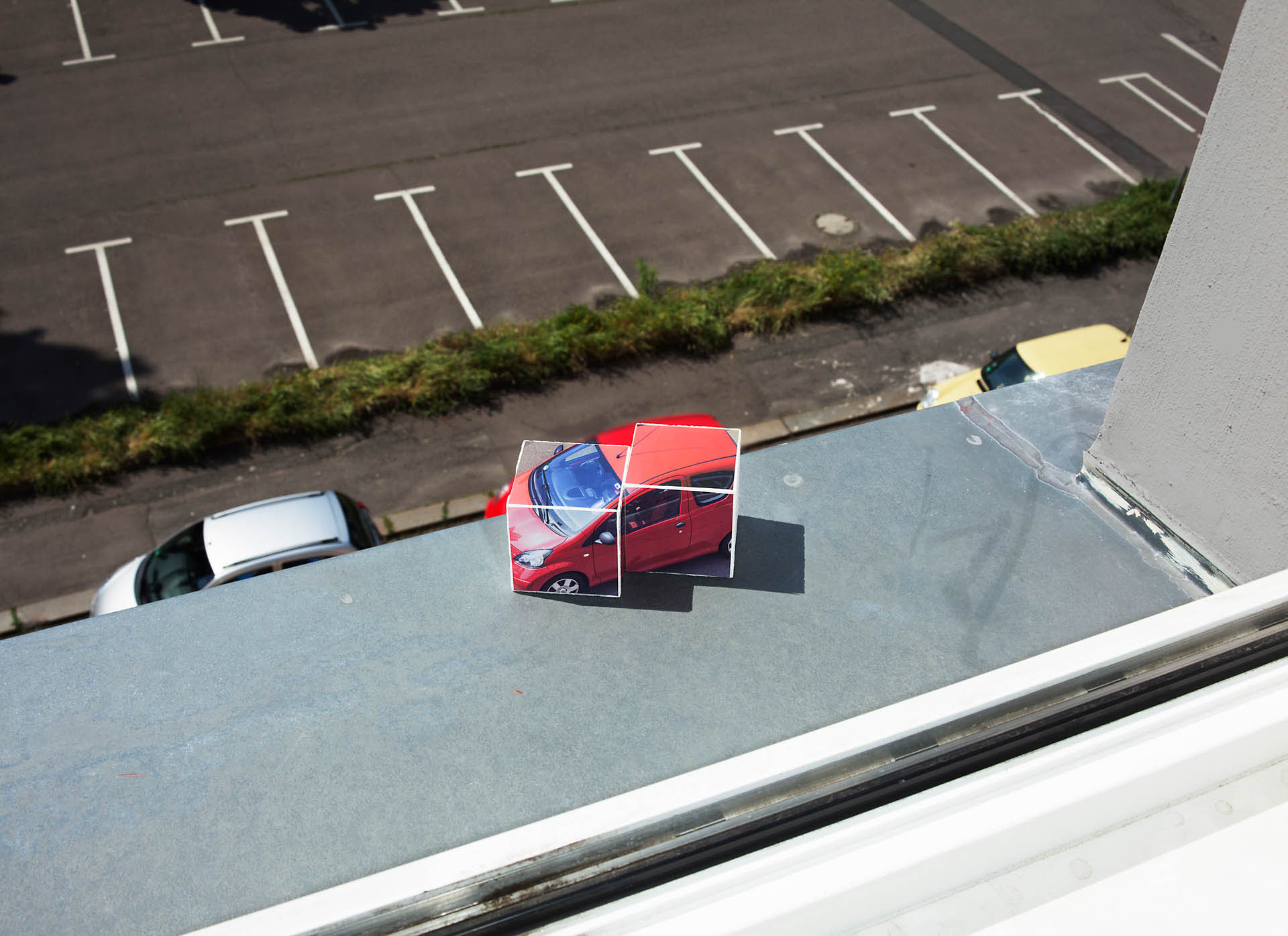
Fine art print on dibond behind acrylic glass, 30 x 40 cm
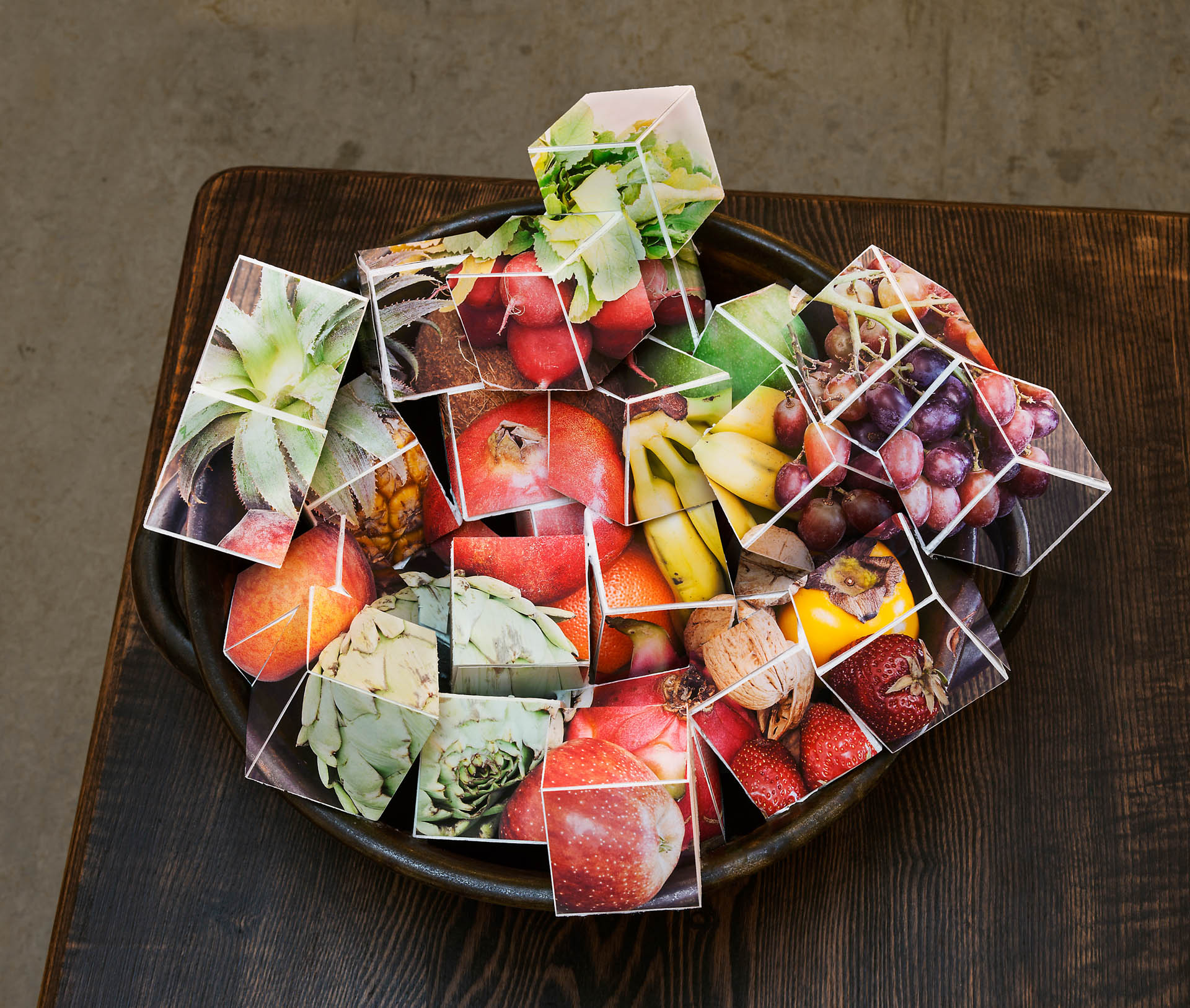
Fine art print on dibond behind acrylic glass, 30 x 35 cm
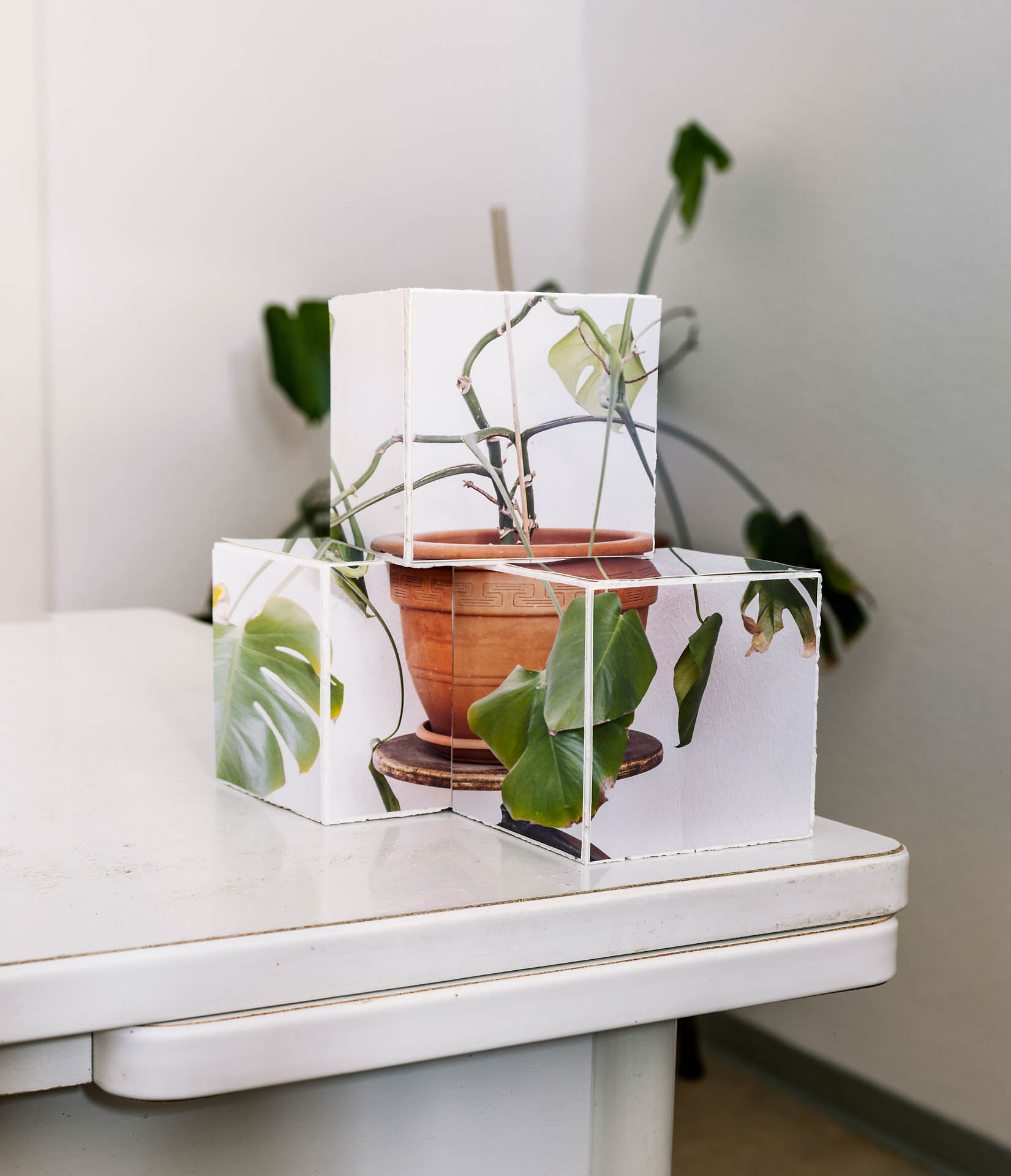
Fine art print on dibond behind acrylic glass, 30 x 25,5 cm
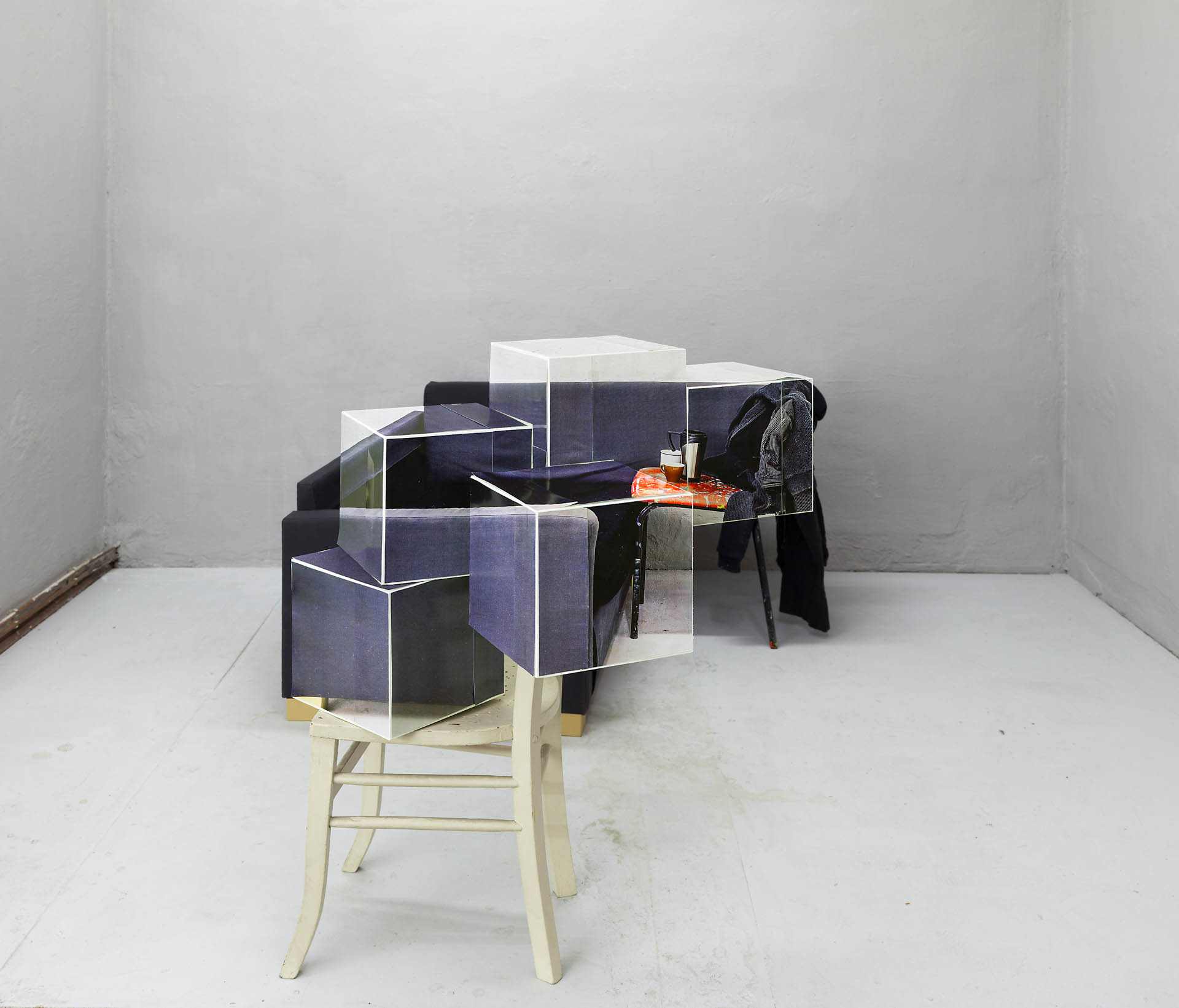
Glass framed fine art print, 70 x 80 cm
Panhorama, 2012
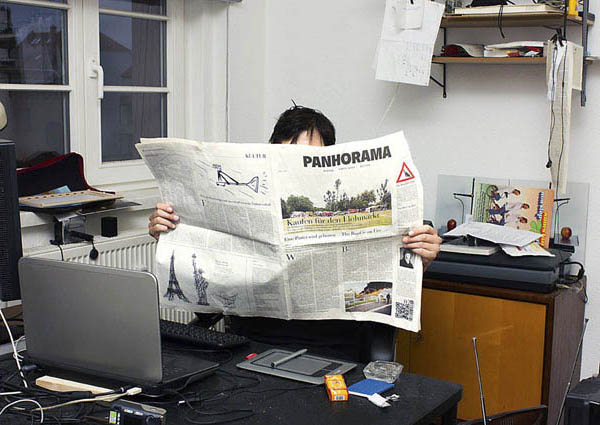
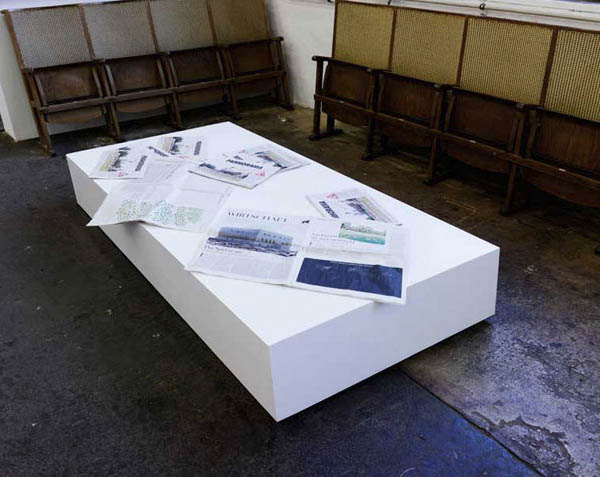
„Panhorama“ is a printed matter and an exhibition concept with 45 photographs that simultaneously act as advertising and text-accompanying photos in a fictitious newspaper.
Download PDF (4MB):
PANHORAMA
(Web view)
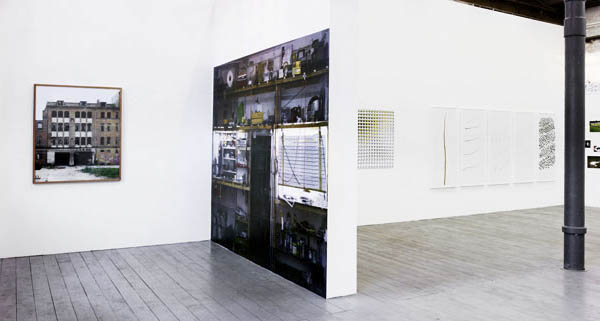
Installation view Gallery Queen Anne, Leipzig
Cloud, 2012
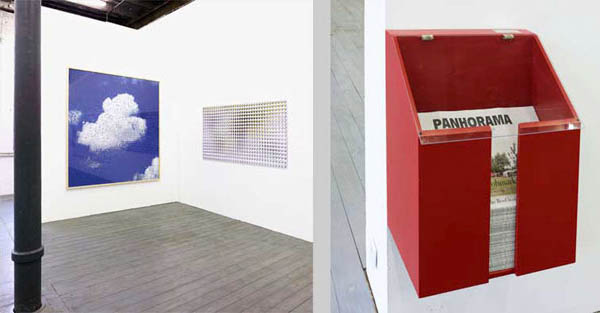
The work „Cloud“ is an abstract representation of self-similarities within cloud structures. The image dissolves into increasingly
minute details that show the same picture or parts of the same cloud over and over again.
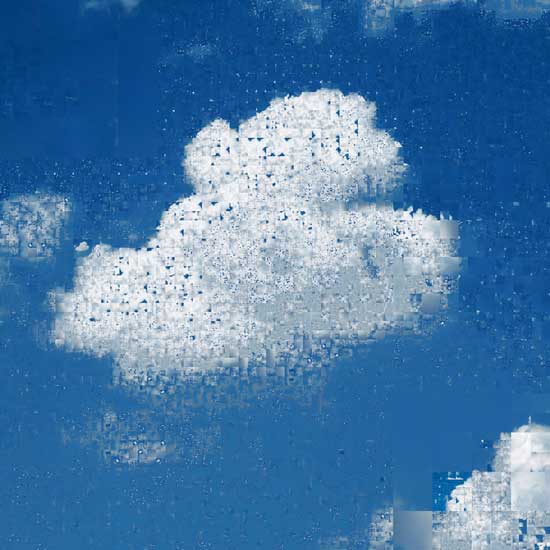
C-Print, behind glass, 200 x 200 cm
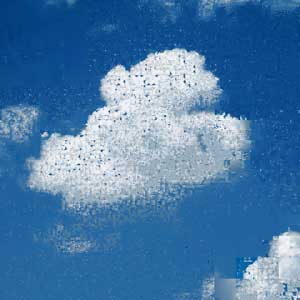
Detail
World, 2012
In cartography a map projection is the representation of a three-dimensional sphere (for example, the Earth) on a two-dimensional surface, which is
referred to as a coordinate reference system. The representation of a sphere on a two-dimensional surface is also often simply called a projection.
more...
more...
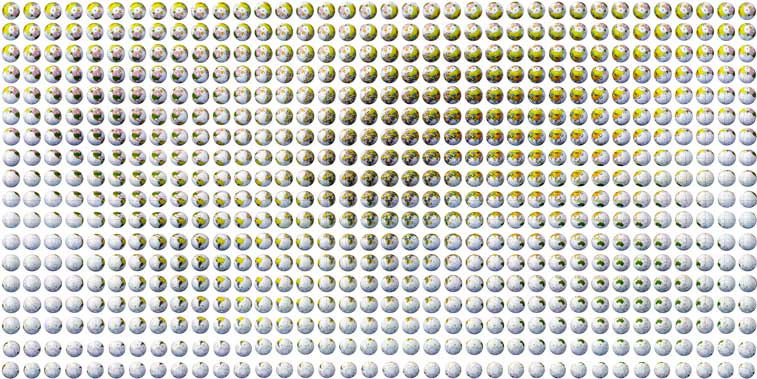
C-Print on Dibond behind acrylic glass, 100 x 200 cm
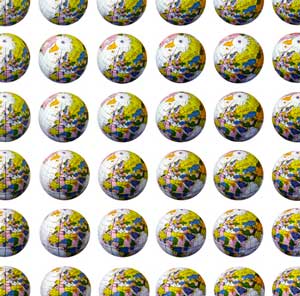
Detail
Tree, 2011
Installation view, c-prints, framed, each 150 x 65 cm
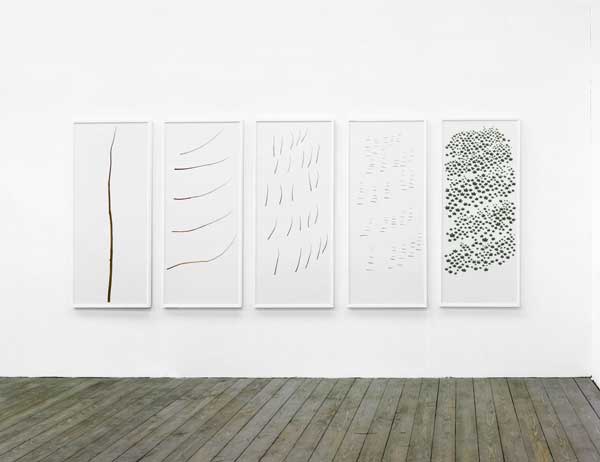
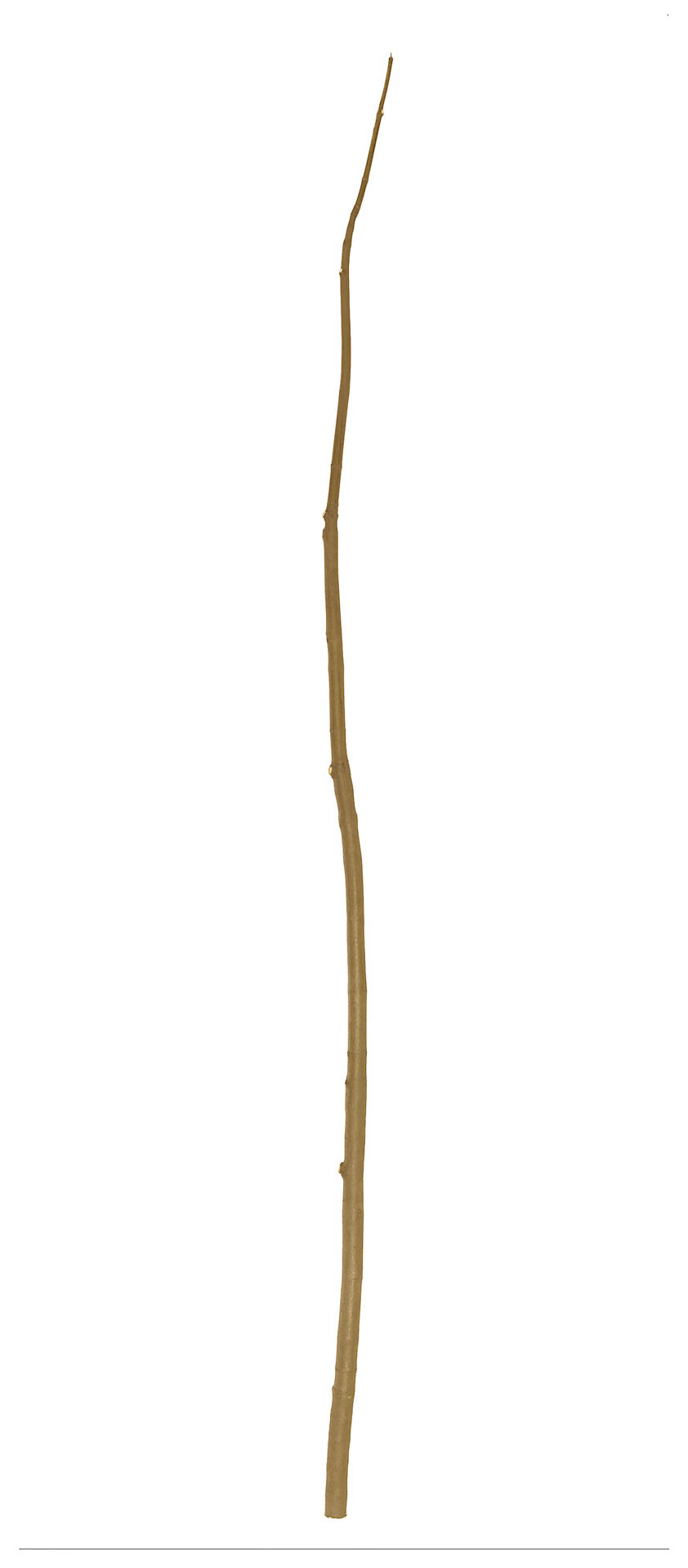
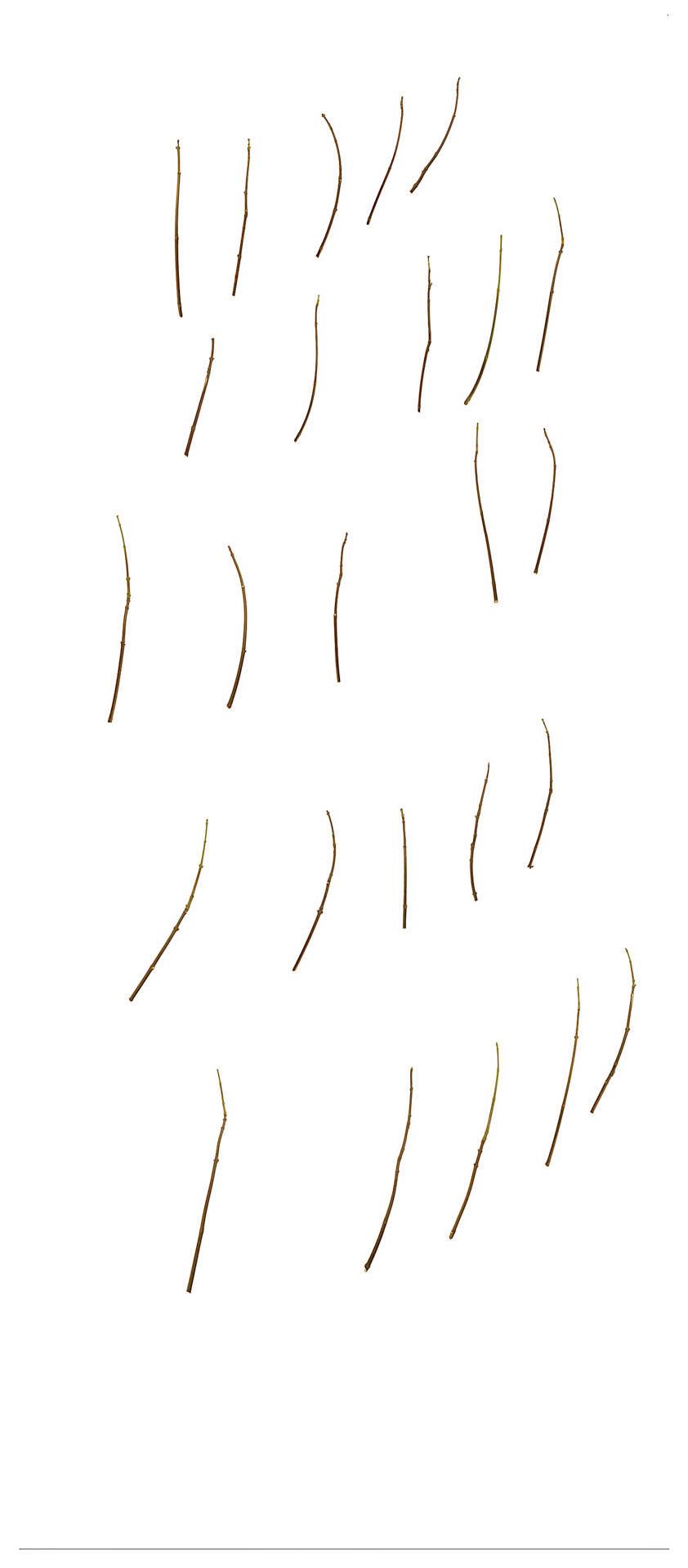
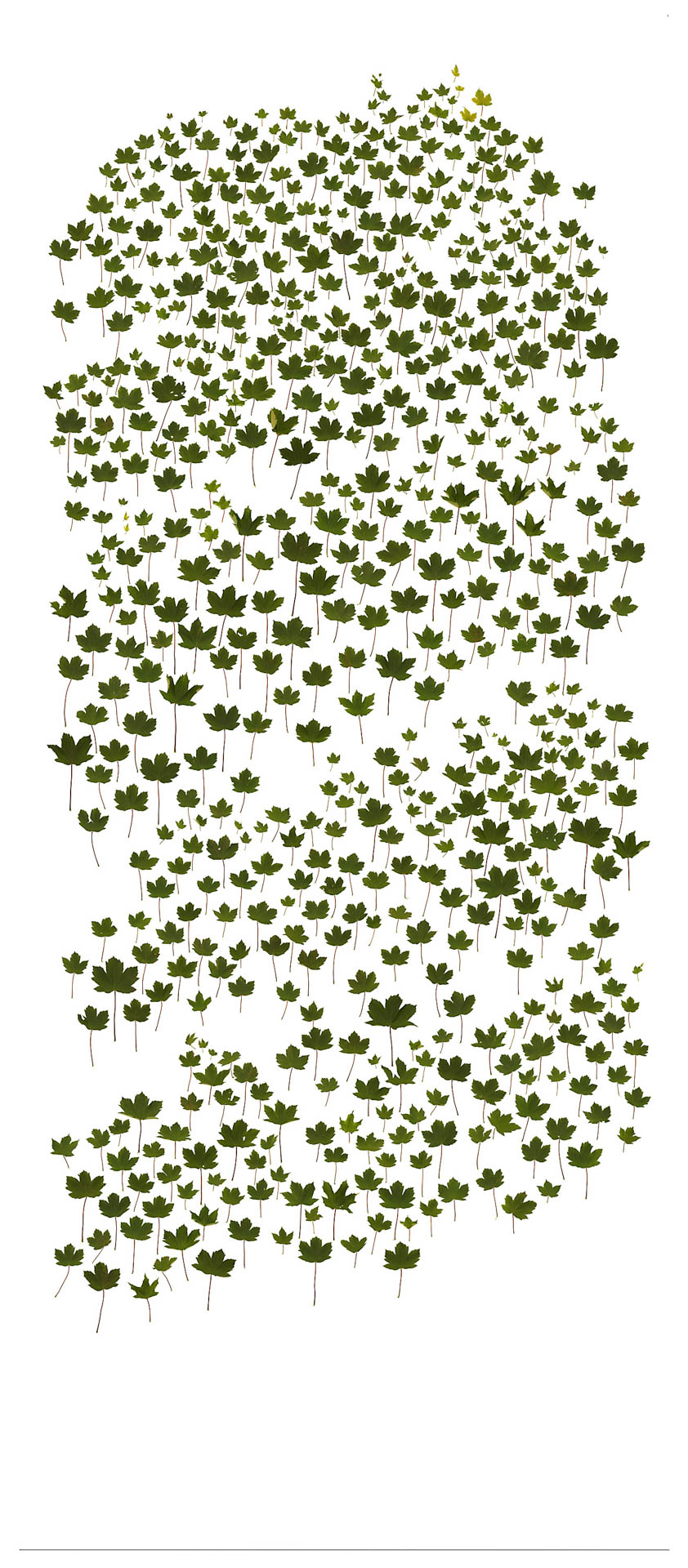
You can see a tree, divided into its units, defined by orders.
Starting with the trunk, in first order on the first picture, the branches follow in second, third and fourth order
on the next pictures. In the fifth picture, the leaves are in fifth order. Branches and leaves are arranged schematically
as a model illustration of the tree, the scale of all units is 1:2.
The work shows the fractal structure of the tree. From the trunk, its branches and each additional branch five units of the following following order. In this case the tree is a small maple of three meters height, which is structured in five orders. This results in a function over which the number of units in the consecutive orders is the respective power of their ordinal number to the number five. Starting with ordinal number 0, this tree thus has five to the power of four = 625 leaves.
The work shows the fractal structure of the tree. From the trunk, its branches and each additional branch five units of the following following order. In this case the tree is a small maple of three meters height, which is structured in five orders. This results in a function over which the number of units in the consecutive orders is the respective power of their ordinal number to the number five. Starting with ordinal number 0, this tree thus has five to the power of four = 625 leaves.
in situ, 2009
Installation view Gallery Quartier, Leipzig
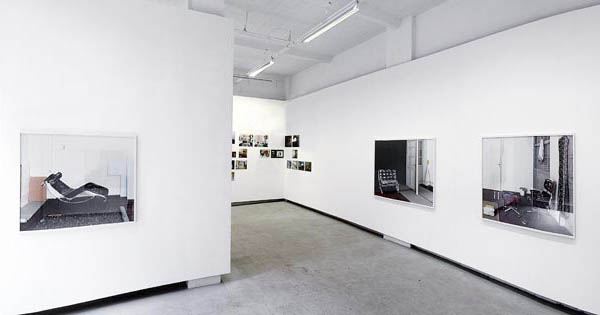
Installation view Deichtorhallen, Hamburg
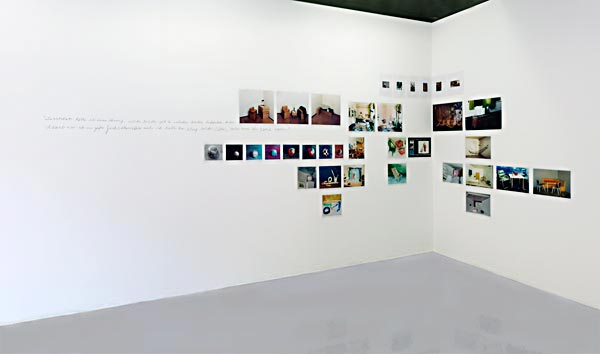
Archaeology on site is all about reinstating objects in their present condition to something of their potential, even of their aspirations originally
revealed in the archaic context. What was simply in existence until the present-day can now become tangible with the full impact of its different layers.
The technical term for this is "in situ".
more...
more...
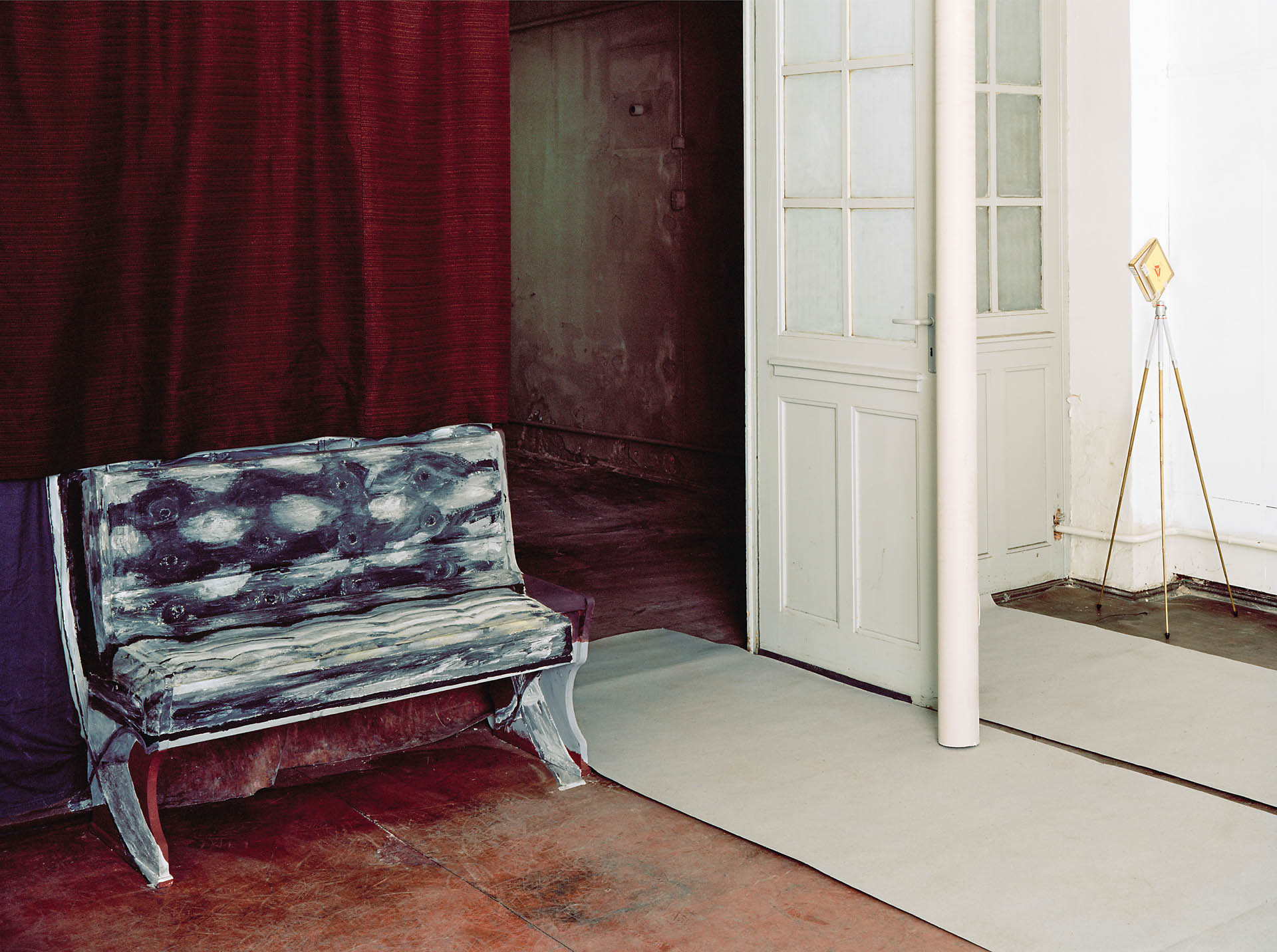
Barcelona Chair, C-Print, 90 x 122 cm
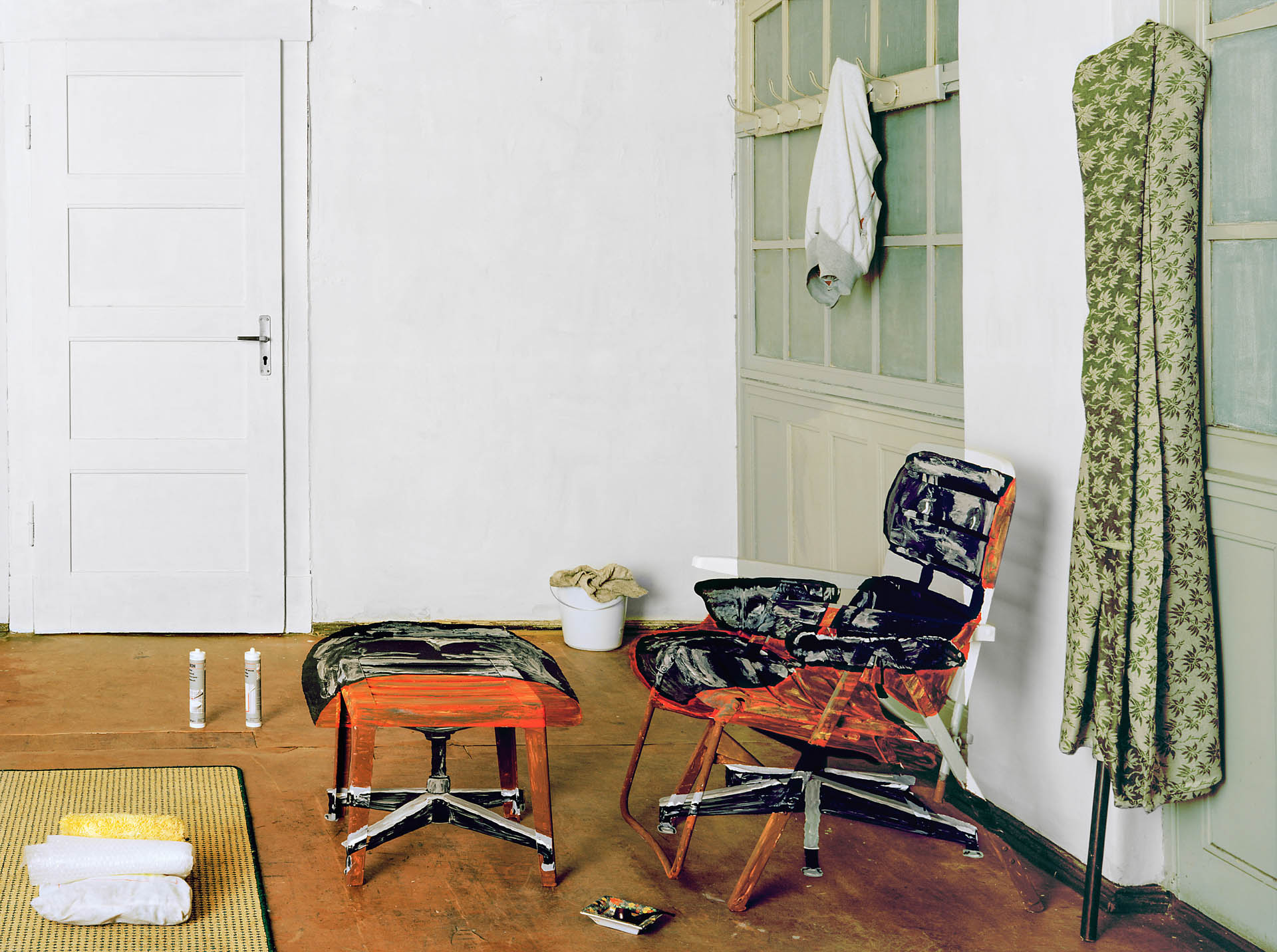
Eames Lounge Chair, C-Print, 90 x 122 cm
Detail
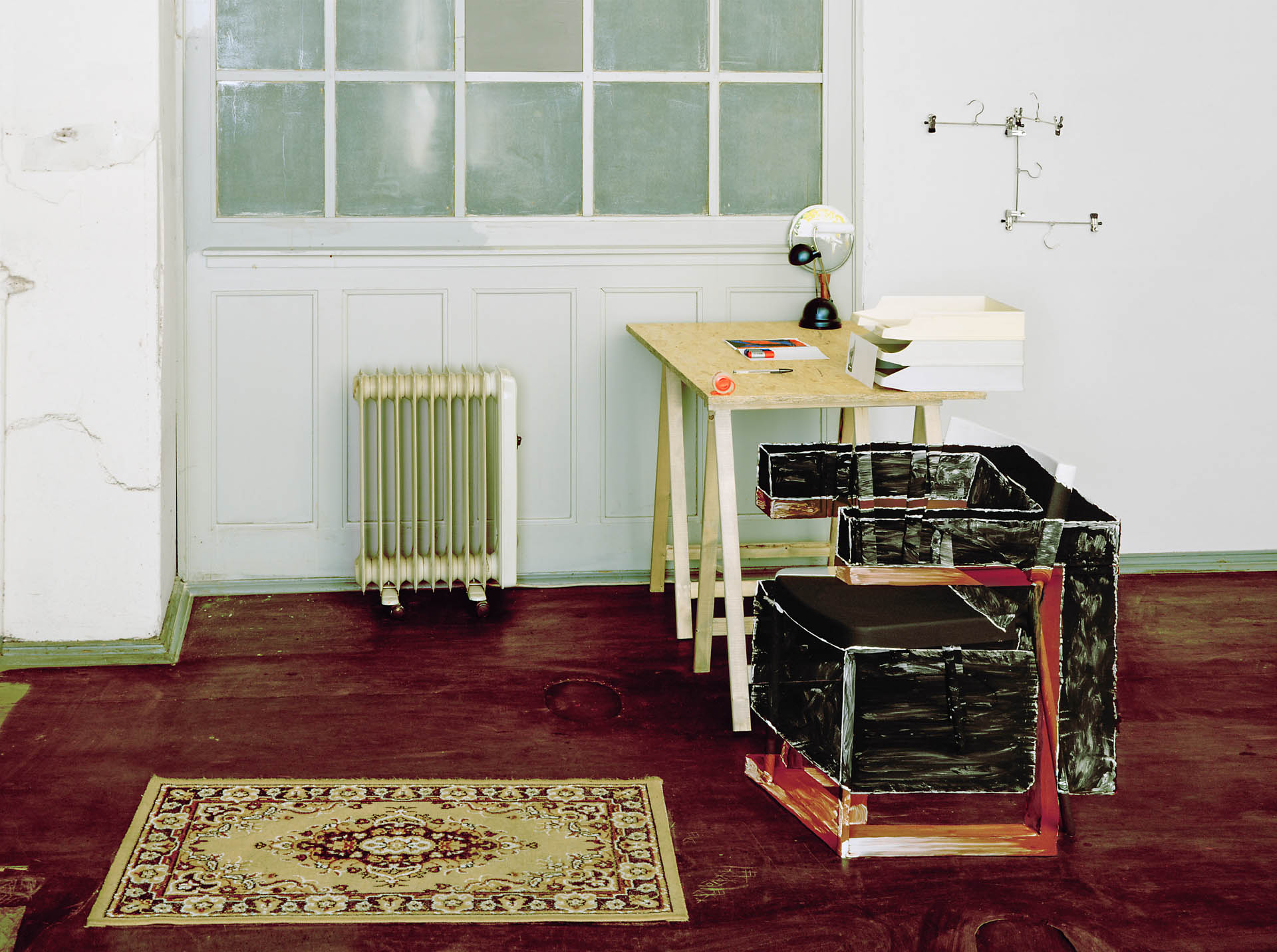
Gropius Sessel, C-Print, 90 x 122 cm
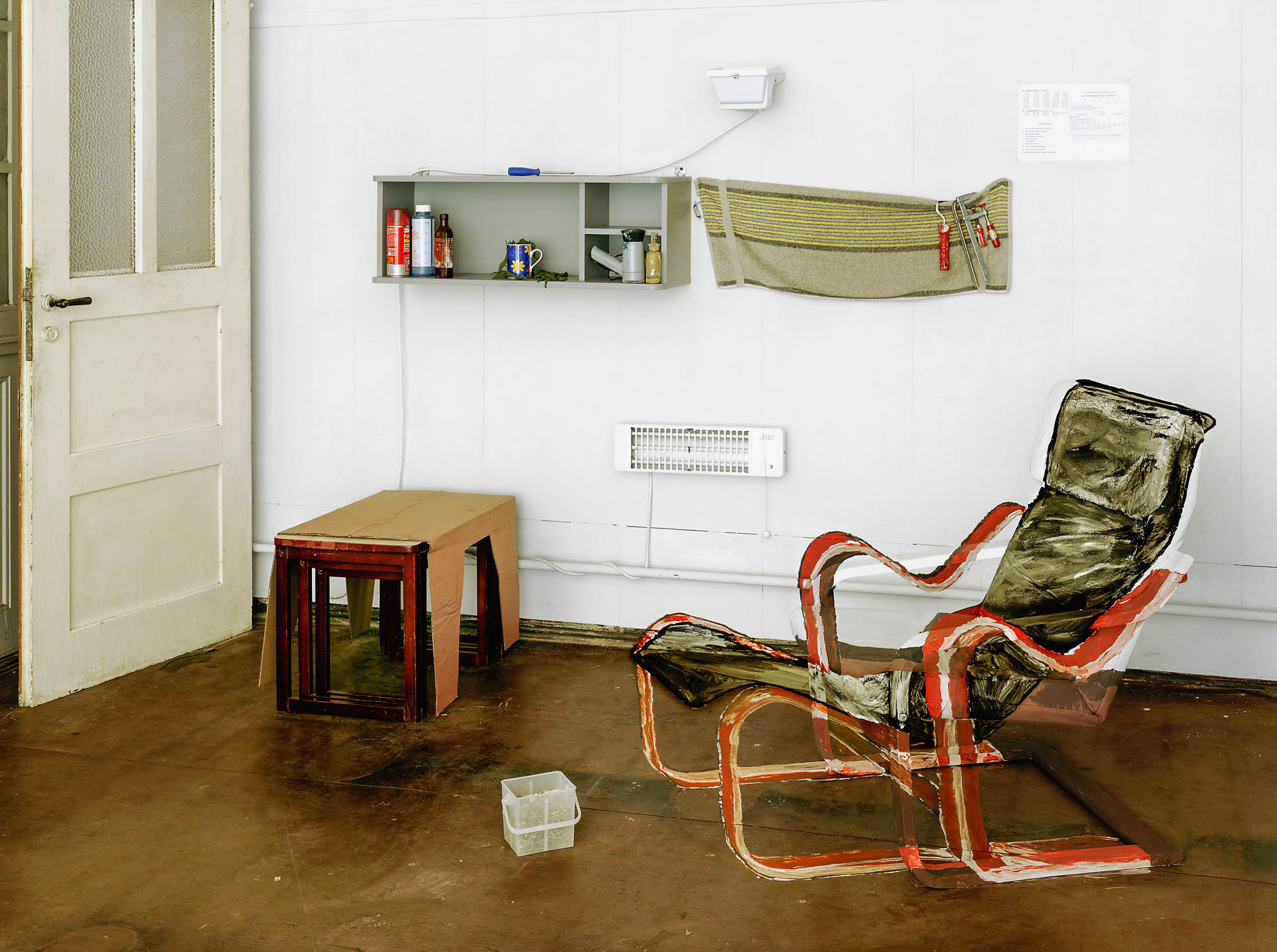
Isokon, C-Print, 90 x 122 cm
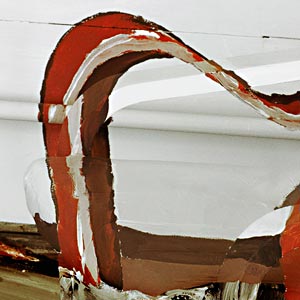
Detail
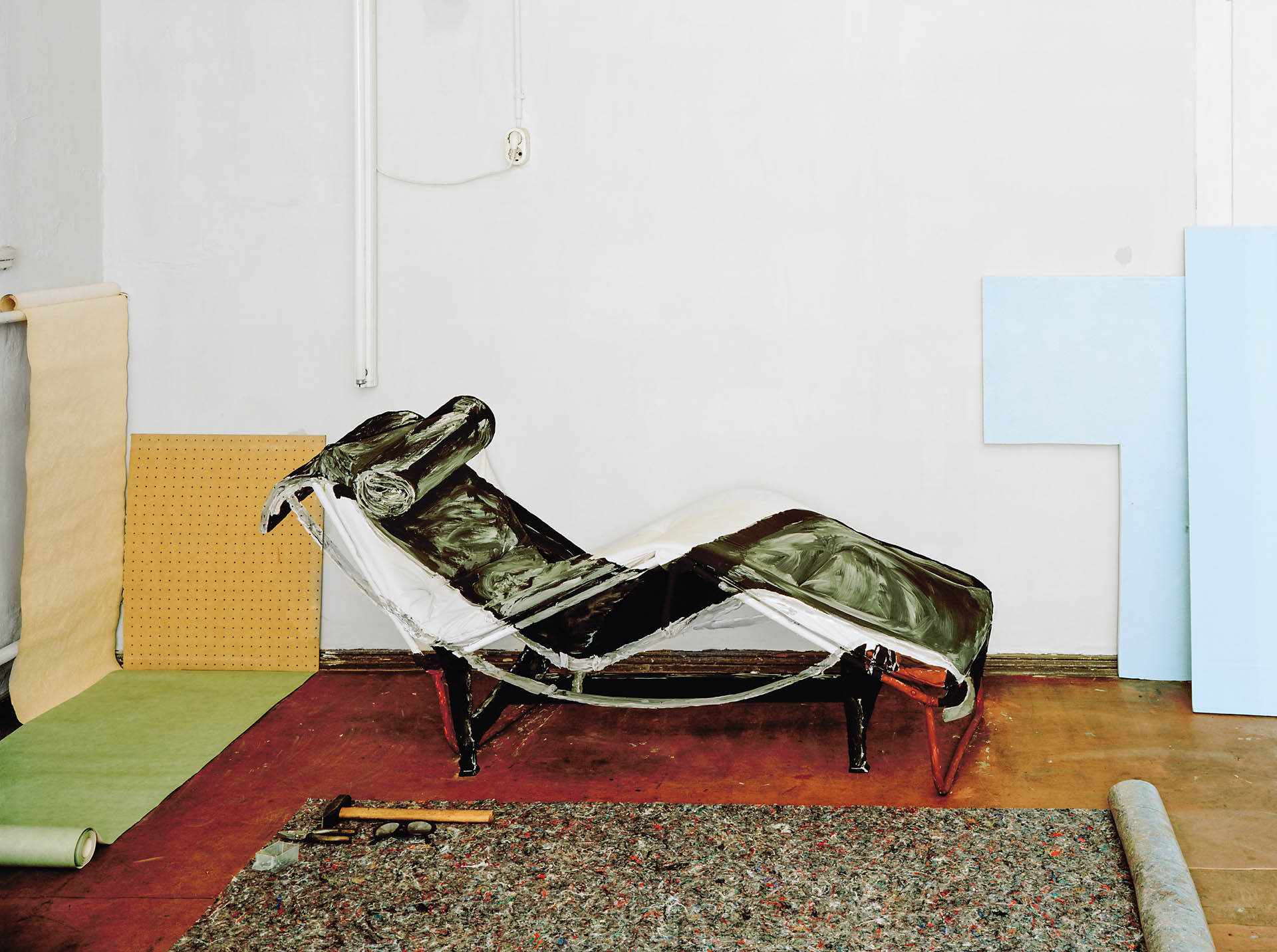
LC 4, C-Print, 90 x 122 cm
1000 light measurements in lux of a burning candle in front of a white wall, taken with a Gossen Multisix light meter, 2009
The image entitled „1000 photometric measurements in lux of a burning candle before a white wall taken with a Gossen Multisix exposure meter“
measures 84 x 65 centimetres. The surface is a white wall and the adjoining floor, upon which a burning candle stands. The 1000 numerical exposure values shown on part of the
device’s display were scanned in their original size, arranged and printed. The sections of the display correspond in size and arrangement to the surfaces that were measured
on the wall and floor. When viewing the image from a greater distance, different shades of grey emerge due to the relation of the black and grey components of the different numerals.
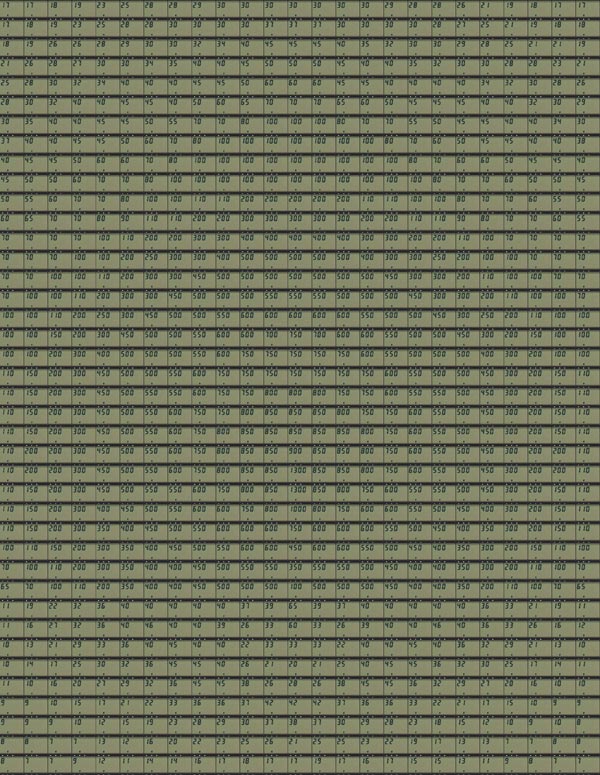
Dibond behind arcylic glass, 65 x 84 cm
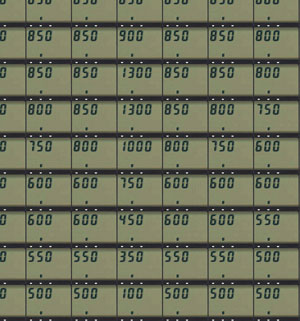
Detail
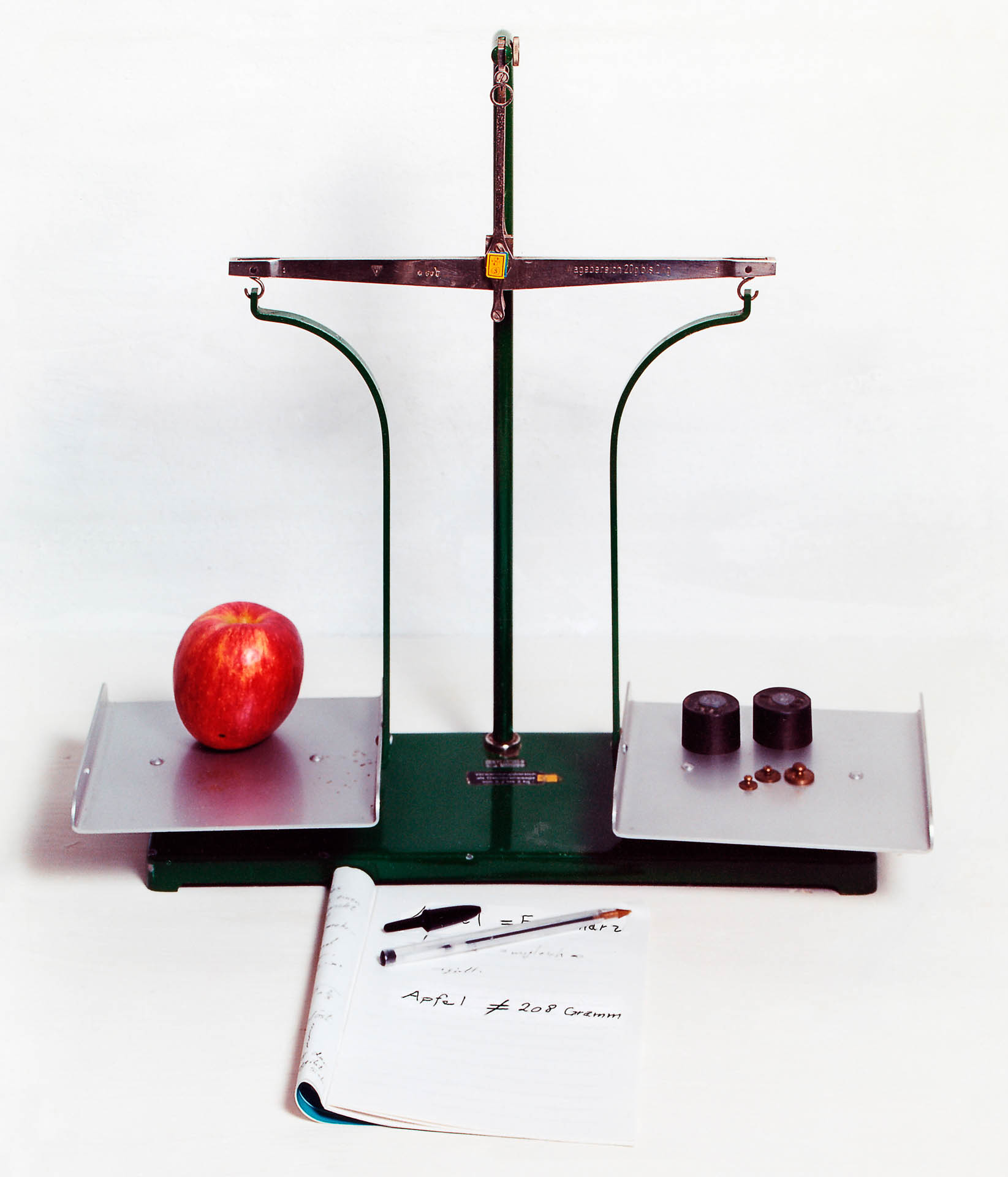
Apple ≠ Apple, 2009
In the recognition process, which transforms the representations contained in pictures of substituted objects – the concepts – back into (virtual) objects,
different reference sizes come into play. In addition to similarities in form and color to the pictorial correlate, which refers as a signifying concept (significate) to the material
form (signifier), contextual embedding is of great importance both in terms of the content of the image and of reception aesthetics.
more...
more...
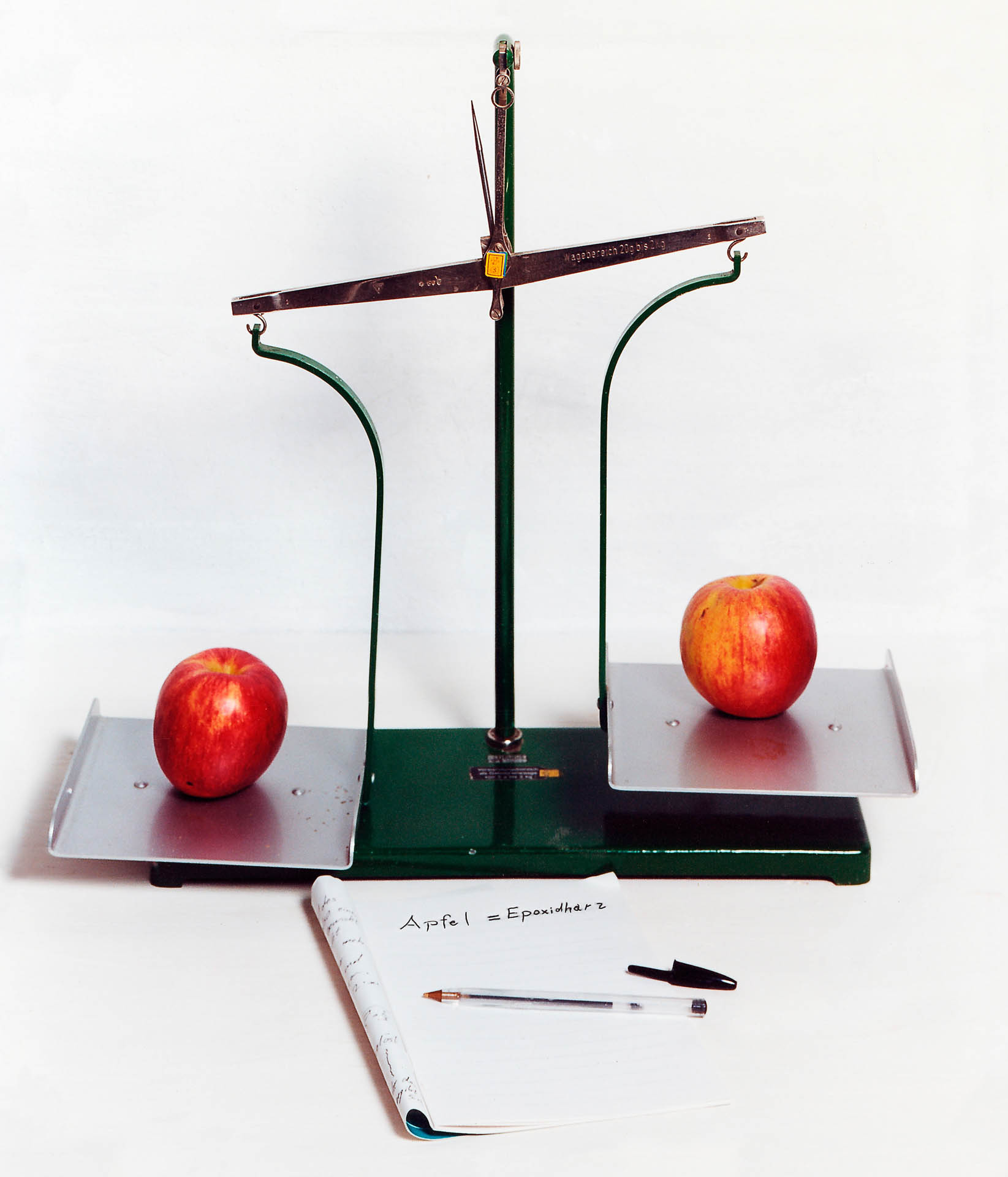
Apple = epoxy resin / Apple ≠ 256 Gramm, C-Prints on Dibond, 34 x 29 cm




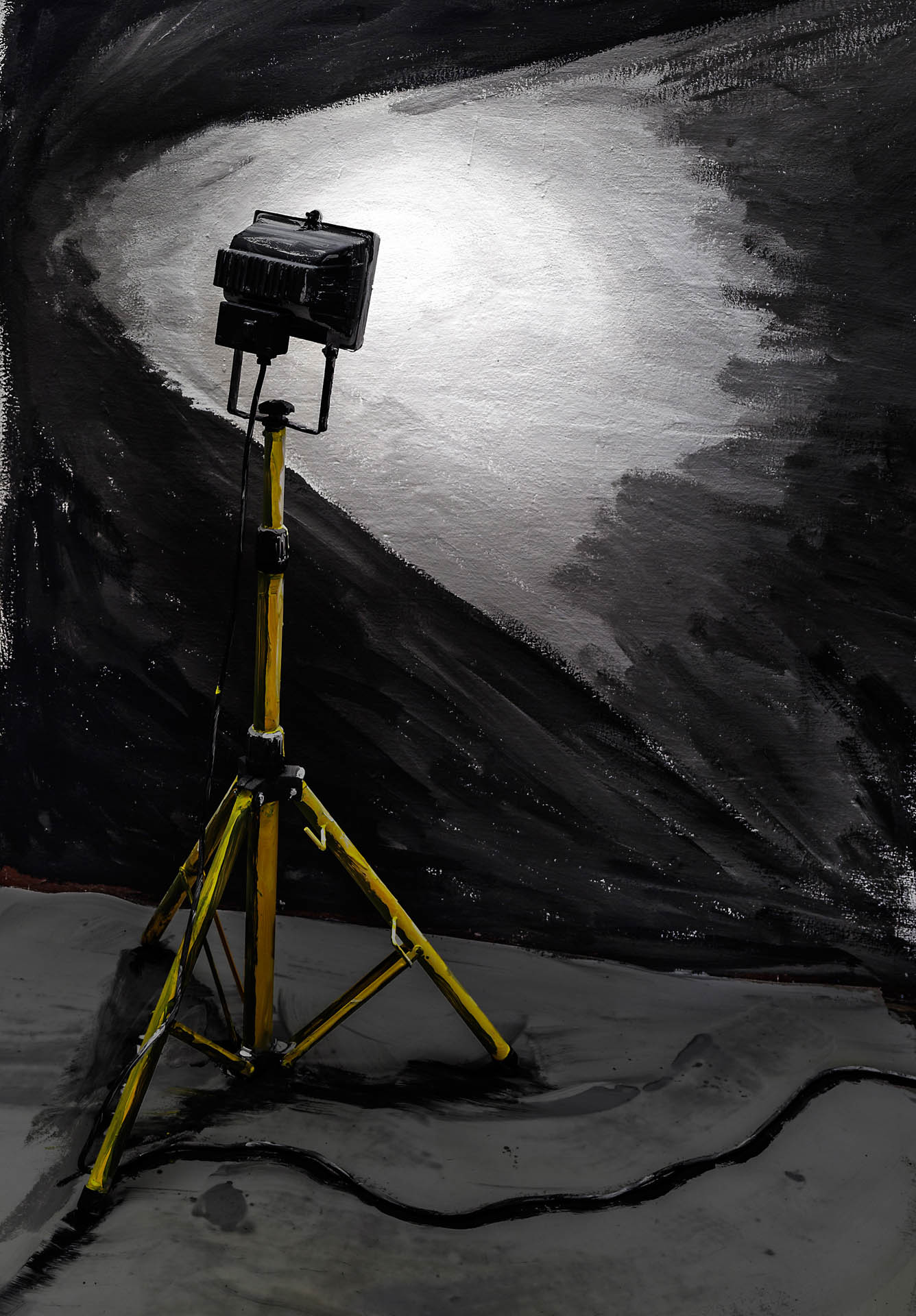
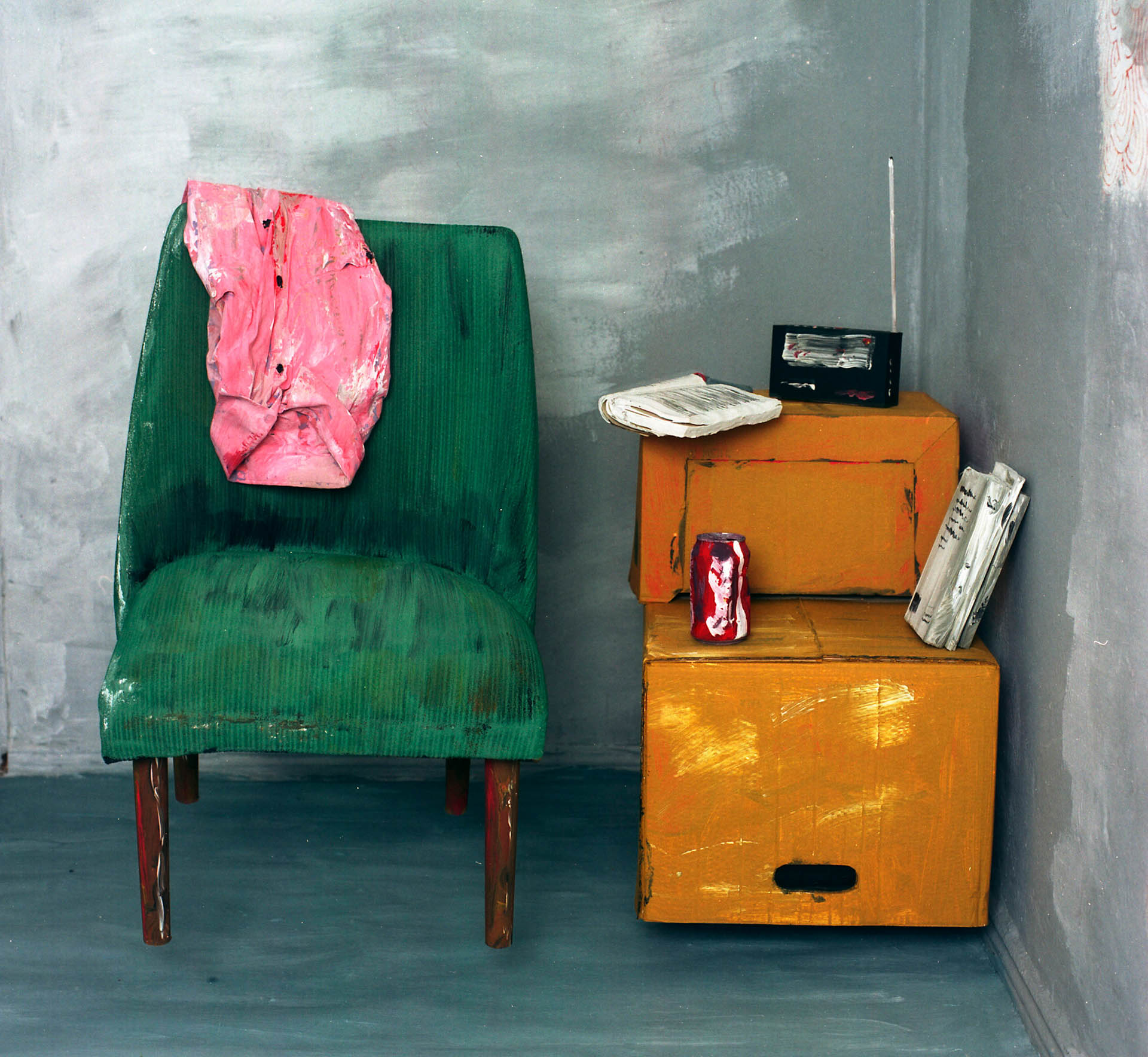
Still Lifes, 2006-2020
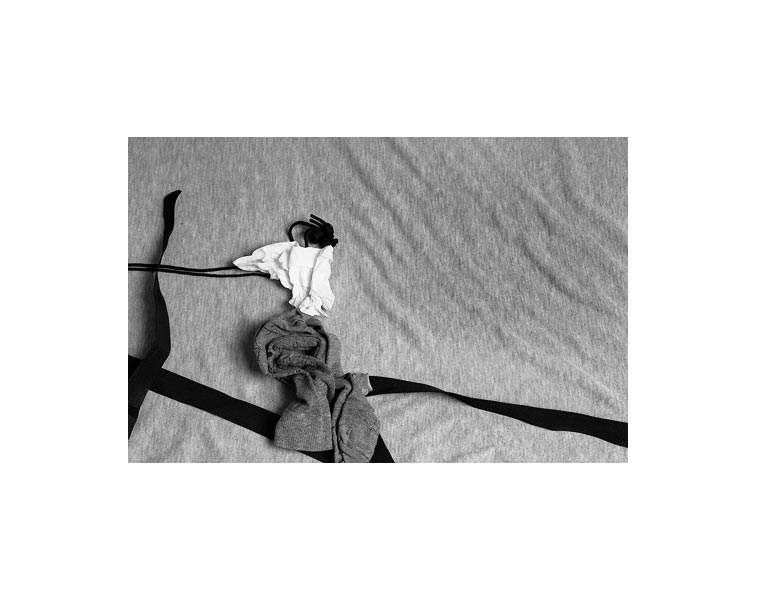
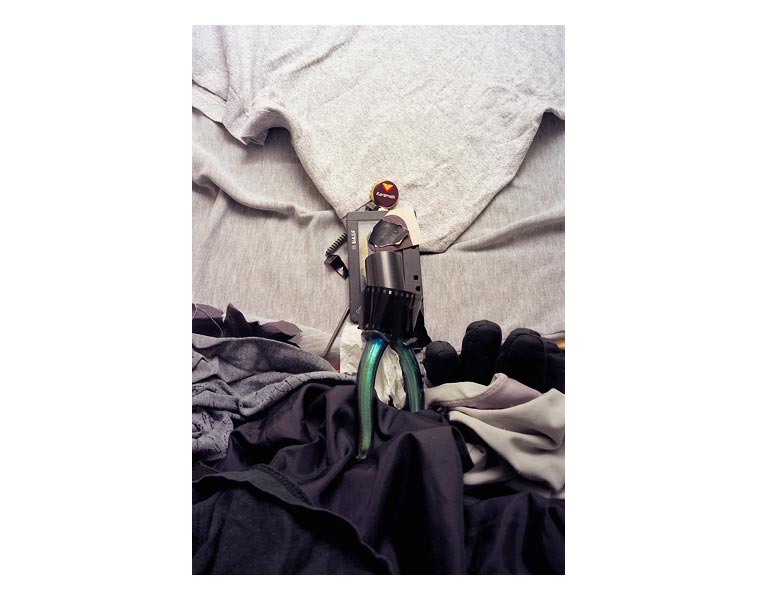
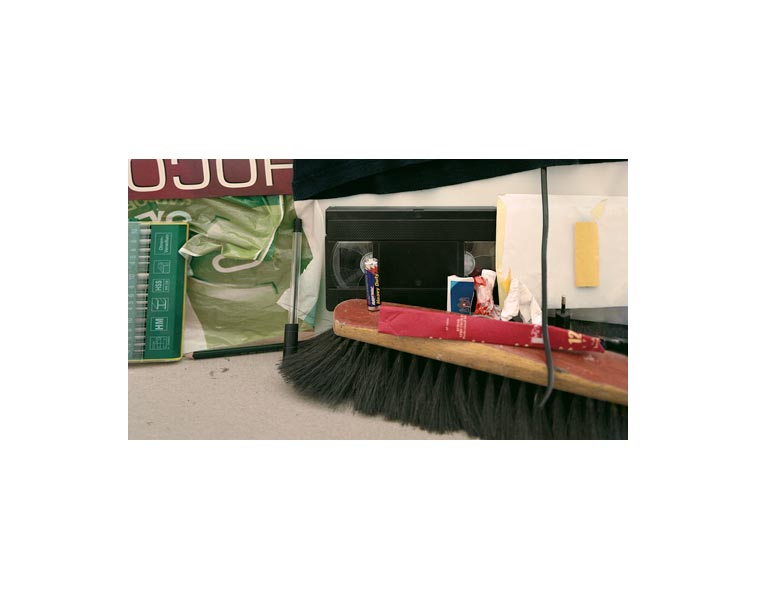
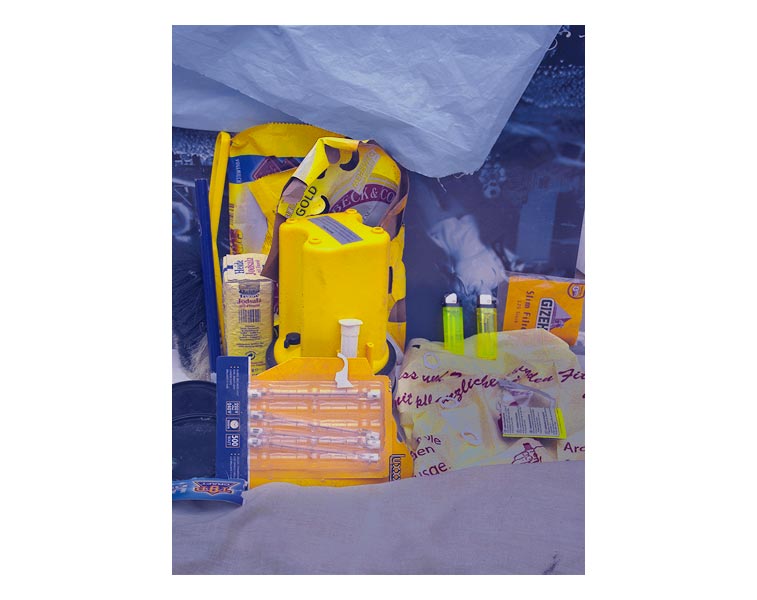
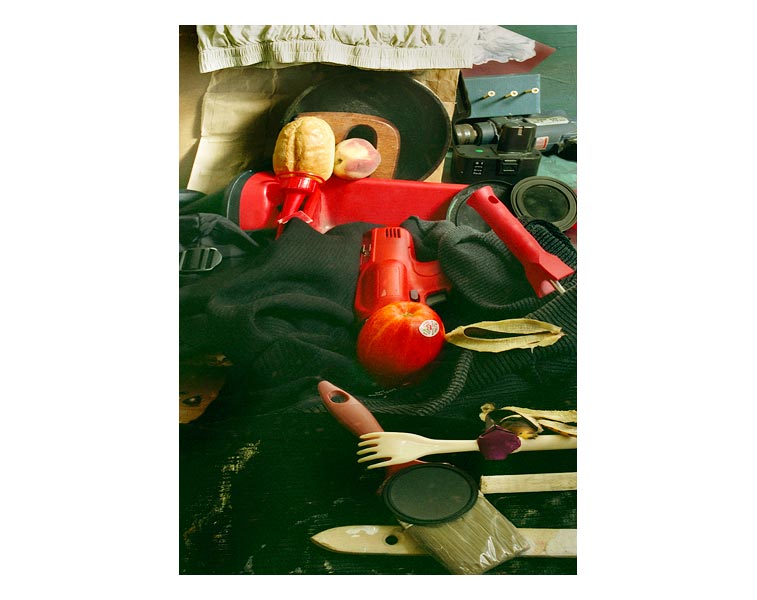
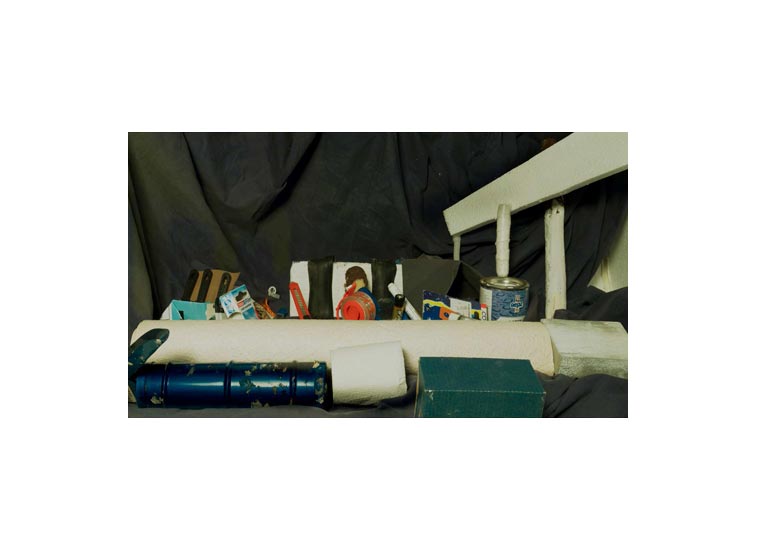
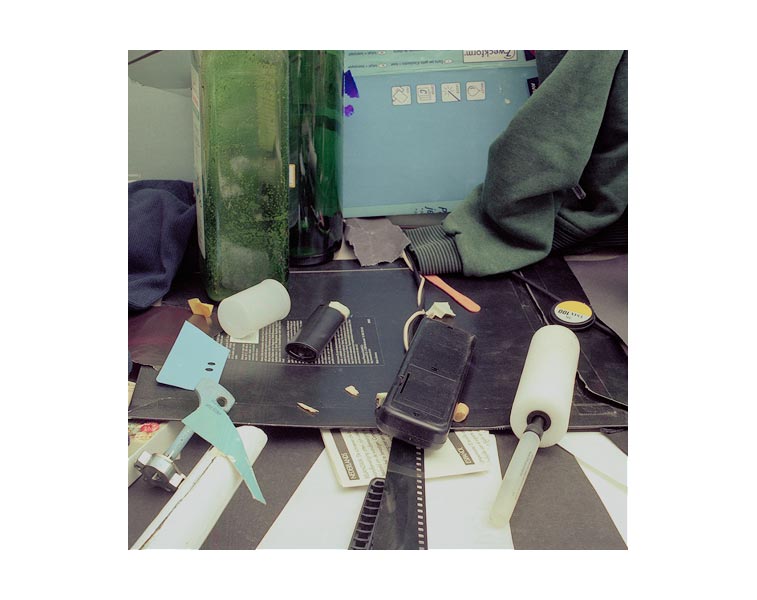
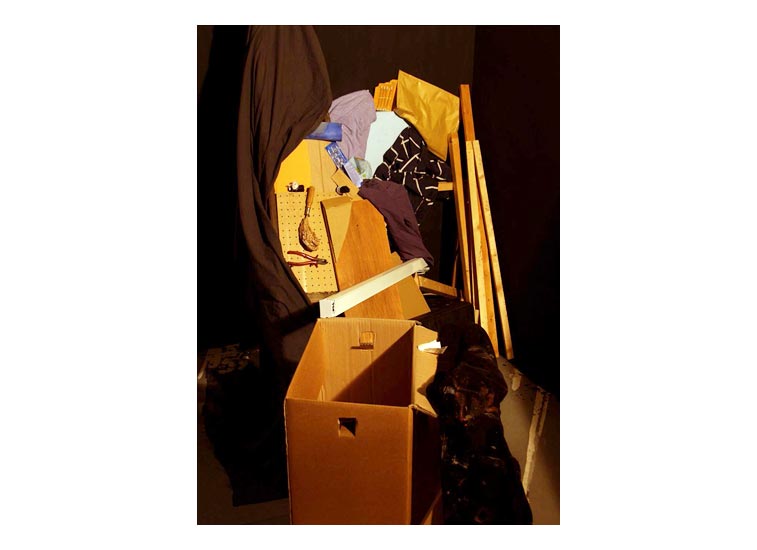
Kokon (selection), 2006
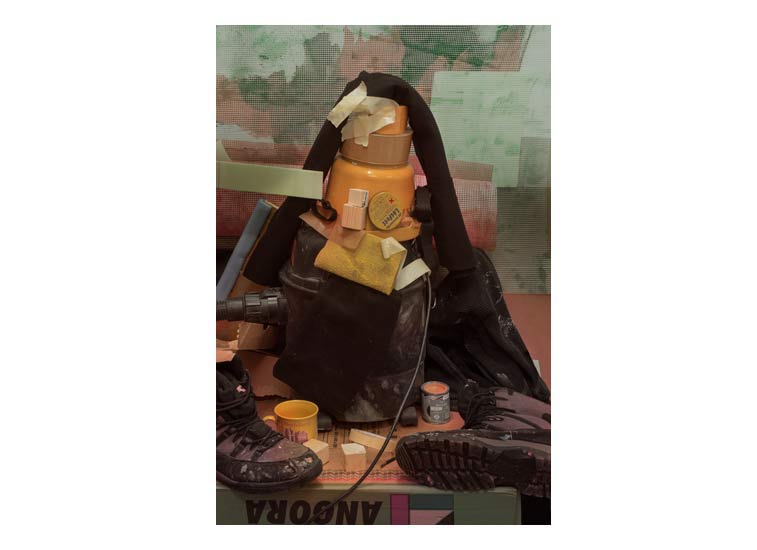
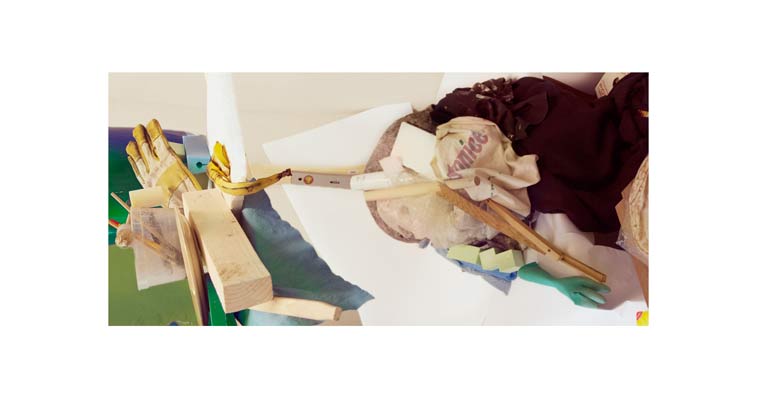
A cocoon is a shell that the larvae of various insects create in order to pupate inside.
As a space of rest and isolation it serves to protect from external influences.
more...
more...
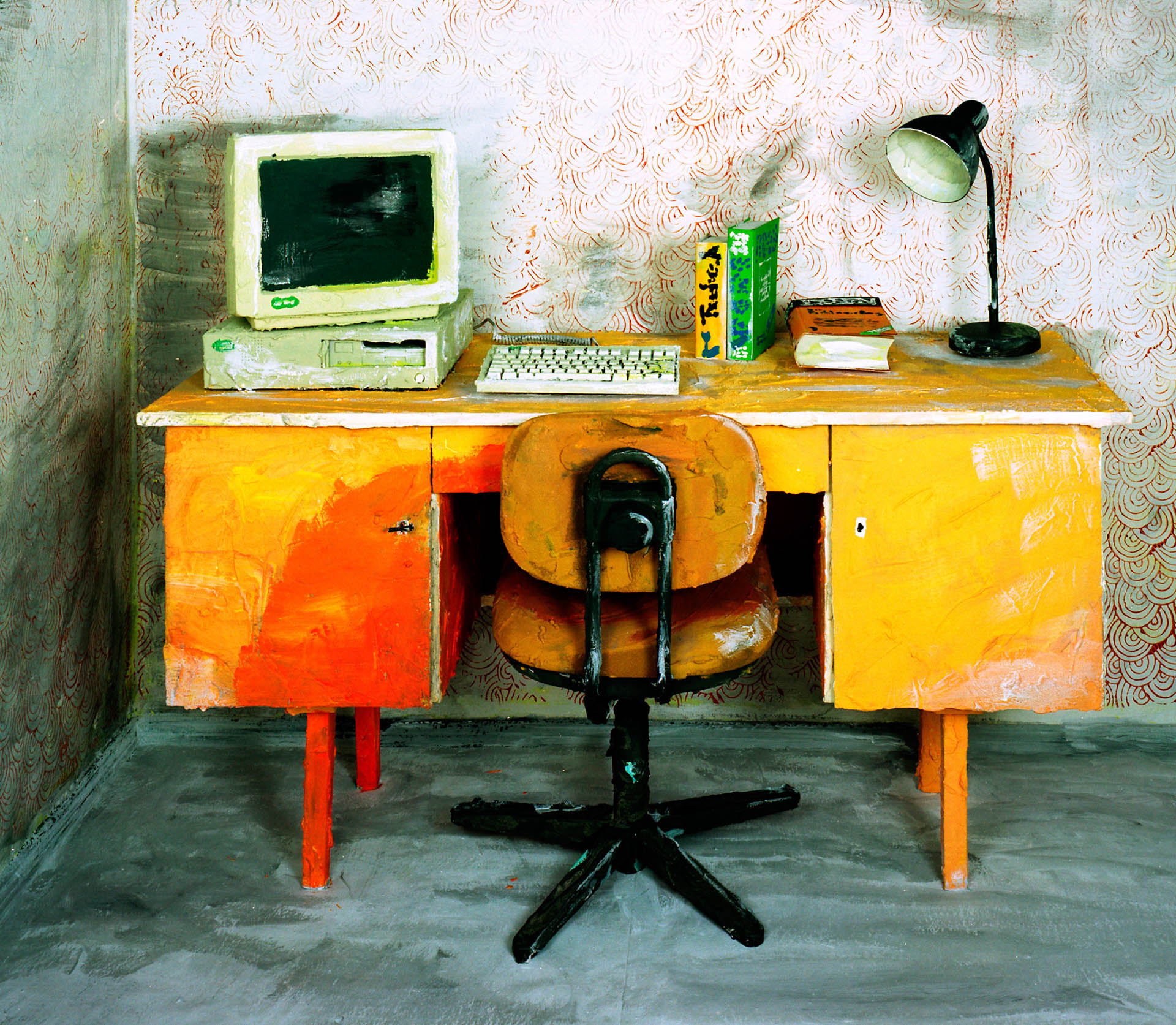
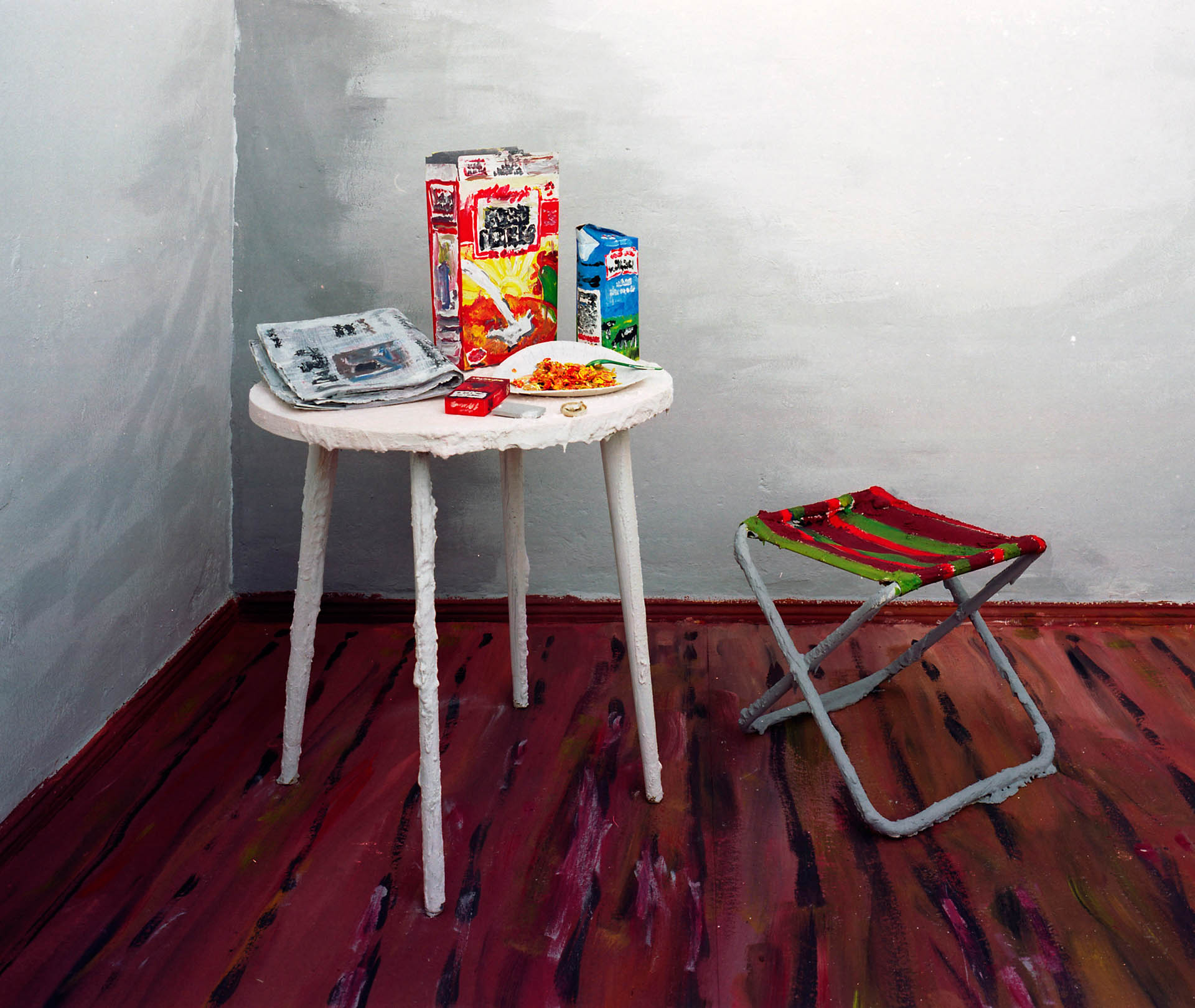
Table with chair, C-Print on MDF, 100 x 120 cm
Desk, C-Print on MDF, 100 x 108 cm
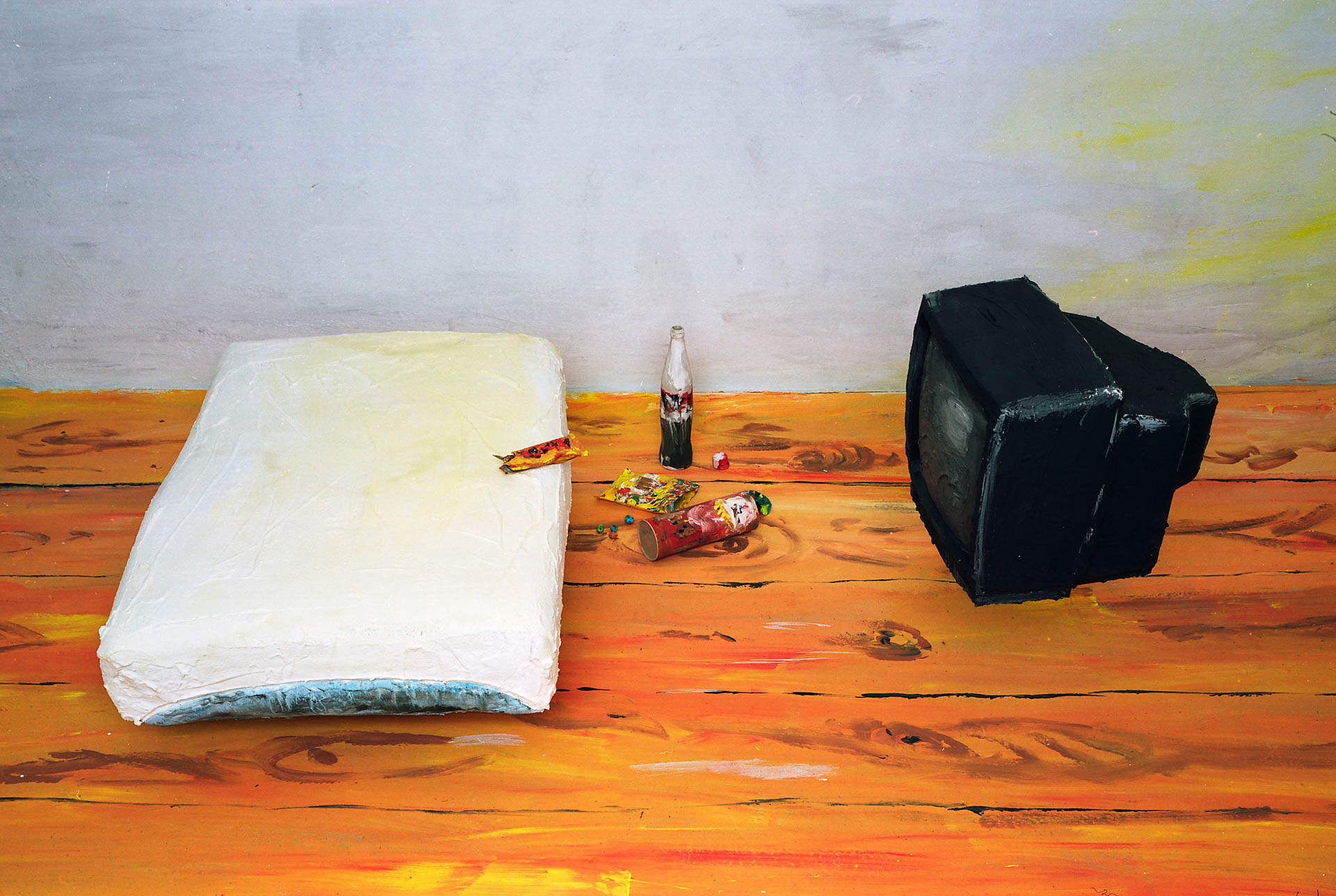
TV, C-Print on MDF, 100 x 150 cm
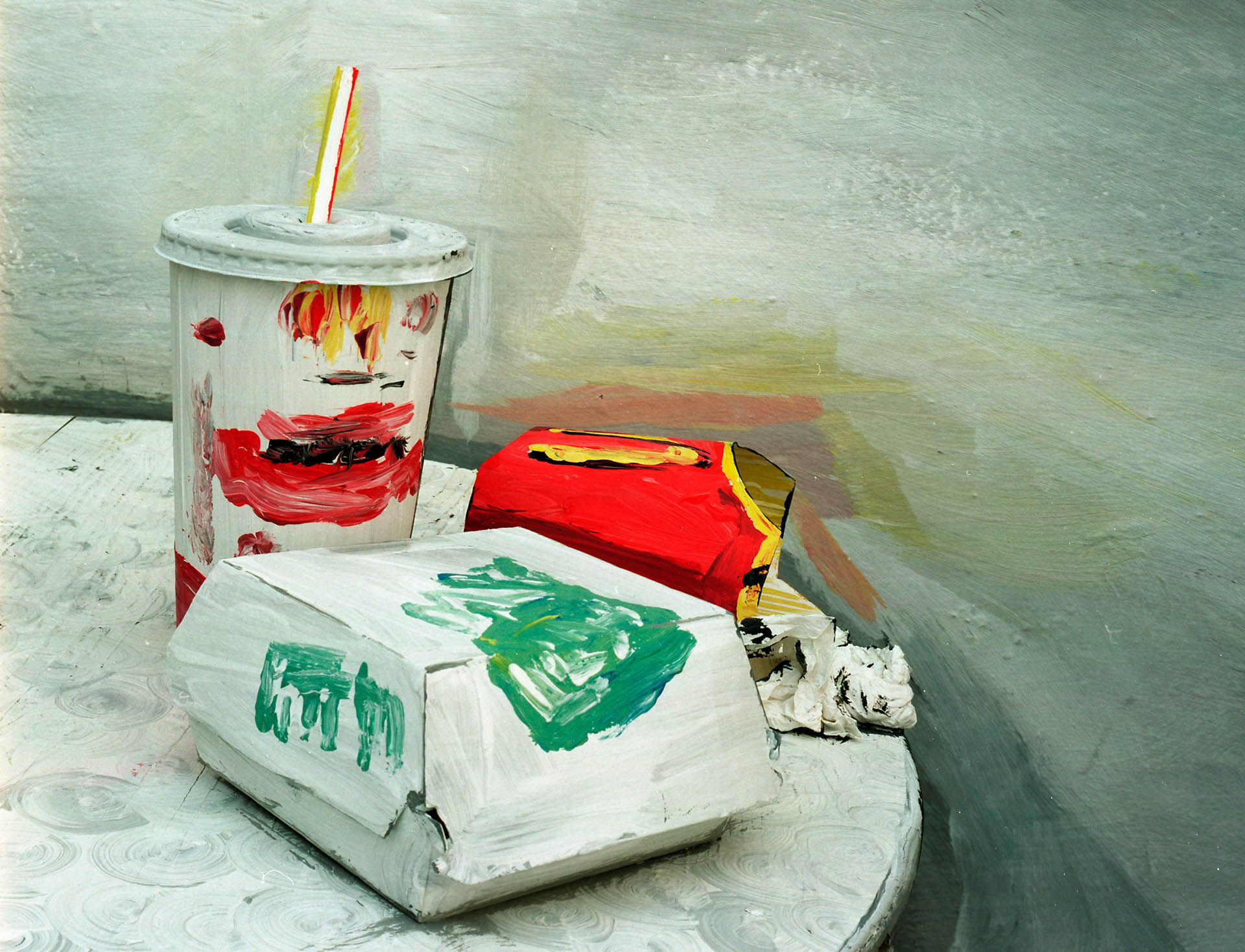
Still life with MC, C-Print, 50 x 63 cm
CV
2009-2012 Master of Fine Arts – Professor Tina Bara
2009 Diploma with highest honours at the Academy of Visual Arts Leipzig – Professor Tina Bara
2003-2009 Studies of Photography at the Academy of Visual Arts Leipzig
2001-2003 Studies of Photography at the University in Essen
2009 Diploma with highest honours at the Academy of Visual Arts Leipzig – Professor Tina Bara
2003-2009 Studies of Photography at the Academy of Visual Arts Leipzig
2001-2003 Studies of Photography at the University in Essen
Grants/Awards
2023 NEUSTARTplus, Stiftung Kunstfonds Bonn
2022 Scholarship, Leipzig
2020 – Denkzeit – Kulturstiftung des Freistaates Sachsen
2017 Catalog grant, Kulturamt der Stadt Leipzig
2017 Catalog grant, Stiftung Kunstfonds Bonn
2016 Artists support from the Heussenstamm Foundation, Frankfurt/Main
2015 Otto Steinert Award
2013 Scholarship Stiftung Kunstfonds Bonn
2012 Scholarship Trustee-Program Else-Heiliger-Fonds Konrad-Adenauer-Stiftung
2009 gute_aussichten – young german photography
2007 Nomination for Plat(t)form 07 Photomuseum Winterthur
2006 Kodak Young Talent Award
2022 Scholarship, Leipzig
2020 – Denkzeit – Kulturstiftung des Freistaates Sachsen
2017 Catalog grant, Kulturamt der Stadt Leipzig
2017 Catalog grant, Stiftung Kunstfonds Bonn
2016 Artists support from the Heussenstamm Foundation, Frankfurt/Main
2015 Otto Steinert Award
2013 Scholarship Stiftung Kunstfonds Bonn
2012 Scholarship Trustee-Program Else-Heiliger-Fonds Konrad-Adenauer-Stiftung
2009 gute_aussichten – young german photography
2007 Nomination for Plat(t)form 07 Photomuseum Winterthur
2006 Kodak Young Talent Award
Exhibitions (Selection)
2024
„shell“, Gallery the grass is greener, Leipzig
„XXX, 30.Leipziger Jahresausstellung“, Werkschauhalle Baumwollspinnerei, Leipzig
„Superego“, Westside, Gallery Kleindienst, Leipzig (Solo)
2023
„Gruppenshow - Wintersaloon“, shower gallery, Leipzig
„Grand Opening“, shower gallery, Leipzig
2021
„IM FLUTLICHT – Historische Fotografien und zeitgenössische Kunst“, Museum of Fine Arts, Leipzig (Catalog)
2020

2019
„PARADIGMA Blickwechsel 2019_copyright“, Tapetenwerk, Leipzig
„Bauhaus Dessau“, Josef Filipp Gallery, Leipzig (Solo)
„VISIONEN DER MODERNE HEUTE“, Museum for Photography, Braunschweig
2018
„Young German Photography - NEW POSITIONS“, KulturBäckerei, Lüneburg
„25. Leipziger Jahresausstellung: SILBER“, Baumwollspinnerei Werkschauhalle, Leipzig (Catalog)
„f/stop Komplize: Bauhaus Dessau“, Josef Filipp Gallery, Leipzig
„Das ganze Programm [Please Allow Me to Introduce Myself ...]“, Josef Filipp Gallery, Leipzig
„gute aussichten DELUXE“, Haus der Photographie - Deichtorhallen, Hamburg
2017
„Kundmanngasse 19“, Josef Filipp Gallery, Leipzig
„gute aussichten DELUXE“, Museo de la Cancillería Mexico City, Mexico
2016
„Bizarre!“, AIAP, Monaco (Catalog)
„Paintings, Drawings & Photo's“, (with Sabastian Hosu) Rutger Brandt Gallery, Amsterdam (Solo)
„f/stop Photography Festival Leipzig“, Gallery the grass is greener, Leipzig
„Projektion - Fotografische Behauptungen“, Darmstadt Days of Photography, Main Exhibition, Darmstadt
„Art Paris“, represented by Rutger Brandt Gallery Amsterdam, Paris
„Kundmanngasse 19“, Heussenstamm Gallery, Frankfurt am Main (Solo)
2015
„PAN Amsterdam“, represented by Rutger Brandt Gallery, Amsterdam
„The world is everything that is the case“, (with Wolfram Ebersbach), Gallery the grass is greener, Leipzig (Solo)
2014
„REALITÄTEN ("Komplizen"-Exhibition f/stop Festival)“, Gallery Queen Anne, Leipzig
„EHF Benefit-Exhibition 2014“, Akademie der Konrad-Adenauer-Stiftung, Berlin
2013
„Nachbilder“, Gallery Queen Anne, Leipzig
„TWO IN ONE“ (with Katharina Pöpping), E-Werk, Freiburg (Solo)
„EHF Benefit-Exhibition 2013“, Akademie der Konrad-Adenauer-Stiftung, Berlin
2012
„Panhorama“, Gallery Queen Anne, Leipzig (Solo; Catalog)
„Meisterschülerausstellung“, HGB, Leipzig
„EHF Benefit-Exhibition 2012“, Akademie der Konrad-Adenauer-Stiftung, Berlin
"Mustererkennung", Museum of Applied Arts, Cologne
2011
„Group exhibition EHF 2010-2012 – Grant“, Akademie der Konrad-Adenauer-Stiftung, Berlin
„EHF Benefit-Exhibition 2011“, Akademie der Konrad-Adenauer-Stiftung, Berlin
„GEMALTER RAUM - FOTOGRAFIERTE MALEREI (with Maxim Liulca)“, Periscope, Salzburg (Solo)
„Auslöser – Photography concepts in Leipzig“, Kunsthalle der Sparkasse Leipzig (Catalog)
2010
„Frei nach Malerei“, Künstlerhaus Dortmund
„Eigenleben“, G5 Kultur, Munich
„gute aussichten - young german photography 2009/2010“ Haus der Photographie - Deichtorhallen, Hamburg (Catalog)
„4. International Photography-Biennale "GRID 2010" in Amsterdam
„Festival PhotoEspana“, Goethe-Institut, Madrid, Spain
„gute aussichten 2009/2010“, Art Foyer DZ Bank, Frankfurt/Main
„gute aussichten 2009/2010“, Goethe-Institut, Washington DC, USA
2009
„gute aussichten - young german photography 2009/2010“ with the work „in situ“ Museum Marta, Herford
„INNEN // AUSSEN // INNEN“, Tapentenwerk, Leipzig
„There is no second world, no hinterworld, no utopian place.“, Galeria Plan B, Berlin
„Diploma exhibition“, HGB, Leipzig
„in situ“, Gallery Quartier, Leipzig (Solo, Catalog)
2008
„So jung kommen wir nicht mehr zusammen...“, Pasinger Fabrik, Munich (Catalog)
„rome rom roma, 50/50“, Goethe-Institut Rome, Rome
„Introspections“, Gallery |doppel de|, Dresden
„Bermuda“-Annenkapelle in GZ-Görlitz
2007
„500 mal x“ Exhibition for the study prize of the Academy of Visual Arts, Leipzig (Catalog)
„Kodak Young Talent Award“, Haus der Wirtschaft, Stuttgart
„die 35...“, Welde Brewery Art Prize, Plankstadt
Contribution to the short film night Schwerin with the videoloop „eines morgens...“, Schwerin
2006
„Ausgezeichnet“, Pressehaus Gruner und Jahr; Hamburg
„Kodak Young Talent Award“ Visual Gallery , Photokina; Cologne (Catalog)
„Twice – angemalt und ausgestellt“, HGB; Leipzig
2005
„Private Rituale“, Photogallery Friedrichshain; Berlin
„Autoportret i Inscenizacja“, Wrocław, Poland
„shell“, Gallery the grass is greener, Leipzig
„XXX, 30.Leipziger Jahresausstellung“, Werkschauhalle Baumwollspinnerei, Leipzig
„Superego“, Westside, Gallery Kleindienst, Leipzig (Solo)
2023
„Gruppenshow - Wintersaloon“, shower gallery, Leipzig
„Grand Opening“, shower gallery, Leipzig
2021
„IM FLUTLICHT – Historische Fotografien und zeitgenössische Kunst“, Museum of Fine Arts, Leipzig (Catalog)
2020
2019
„PARADIGMA Blickwechsel 2019_copyright“, Tapetenwerk, Leipzig
„Bauhaus Dessau“, Josef Filipp Gallery, Leipzig (Solo)
„VISIONEN DER MODERNE HEUTE“, Museum for Photography, Braunschweig
2018
„Young German Photography - NEW POSITIONS“, KulturBäckerei, Lüneburg
„25. Leipziger Jahresausstellung: SILBER“, Baumwollspinnerei Werkschauhalle, Leipzig (Catalog)
„f/stop Komplize: Bauhaus Dessau“, Josef Filipp Gallery, Leipzig
„Das ganze Programm [Please Allow Me to Introduce Myself ...]“, Josef Filipp Gallery, Leipzig
„gute aussichten DELUXE“, Haus der Photographie - Deichtorhallen, Hamburg
2017
„Kundmanngasse 19“, Josef Filipp Gallery, Leipzig
„gute aussichten DELUXE“, Museo de la Cancillería Mexico City, Mexico
2016
„Bizarre!“, AIAP, Monaco (Catalog)
„Paintings, Drawings & Photo's“, (with Sabastian Hosu) Rutger Brandt Gallery, Amsterdam (Solo)
„f/stop Photography Festival Leipzig“, Gallery the grass is greener, Leipzig
„Projektion - Fotografische Behauptungen“, Darmstadt Days of Photography, Main Exhibition, Darmstadt
„Art Paris“, represented by Rutger Brandt Gallery Amsterdam, Paris
„Kundmanngasse 19“, Heussenstamm Gallery, Frankfurt am Main (Solo)
2015
„PAN Amsterdam“, represented by Rutger Brandt Gallery, Amsterdam
„The world is everything that is the case“, (with Wolfram Ebersbach), Gallery the grass is greener, Leipzig (Solo)
2014
„REALITÄTEN ("Komplizen"-Exhibition f/stop Festival)“, Gallery Queen Anne, Leipzig
„EHF Benefit-Exhibition 2014“, Akademie der Konrad-Adenauer-Stiftung, Berlin
2013
„Nachbilder“, Gallery Queen Anne, Leipzig
„TWO IN ONE“ (with Katharina Pöpping), E-Werk, Freiburg (Solo)
„EHF Benefit-Exhibition 2013“, Akademie der Konrad-Adenauer-Stiftung, Berlin
2012
„Panhorama“, Gallery Queen Anne, Leipzig (Solo; Catalog)
„Meisterschülerausstellung“, HGB, Leipzig
„EHF Benefit-Exhibition 2012“, Akademie der Konrad-Adenauer-Stiftung, Berlin
"Mustererkennung", Museum of Applied Arts, Cologne
2011
„Group exhibition EHF 2010-2012 – Grant“, Akademie der Konrad-Adenauer-Stiftung, Berlin
„EHF Benefit-Exhibition 2011“, Akademie der Konrad-Adenauer-Stiftung, Berlin
„GEMALTER RAUM - FOTOGRAFIERTE MALEREI (with Maxim Liulca)“, Periscope, Salzburg (Solo)
„Auslöser – Photography concepts in Leipzig“, Kunsthalle der Sparkasse Leipzig (Catalog)
2010
„Frei nach Malerei“, Künstlerhaus Dortmund
„Eigenleben“, G5 Kultur, Munich
„gute aussichten - young german photography 2009/2010“ Haus der Photographie - Deichtorhallen, Hamburg (Catalog)
„4. International Photography-Biennale "GRID 2010" in Amsterdam
„Festival PhotoEspana“, Goethe-Institut, Madrid, Spain
„gute aussichten 2009/2010“, Art Foyer DZ Bank, Frankfurt/Main
„gute aussichten 2009/2010“, Goethe-Institut, Washington DC, USA
2009
„gute aussichten - young german photography 2009/2010“ with the work „in situ“ Museum Marta, Herford
„INNEN // AUSSEN // INNEN“, Tapentenwerk, Leipzig
„There is no second world, no hinterworld, no utopian place.“, Galeria Plan B, Berlin
„Diploma exhibition“, HGB, Leipzig
„in situ“, Gallery Quartier, Leipzig (Solo, Catalog)
2008
„So jung kommen wir nicht mehr zusammen...“, Pasinger Fabrik, Munich (Catalog)
„rome rom roma, 50/50“, Goethe-Institut Rome, Rome
„Introspections“, Gallery |doppel de|, Dresden
„Bermuda“-Annenkapelle in GZ-Görlitz
2007
„500 mal x“ Exhibition for the study prize of the Academy of Visual Arts, Leipzig (Catalog)
„Kodak Young Talent Award“, Haus der Wirtschaft, Stuttgart
„die 35...“, Welde Brewery Art Prize, Plankstadt
Contribution to the short film night Schwerin with the videoloop „eines morgens...“, Schwerin
2006
„Ausgezeichnet“, Pressehaus Gruner und Jahr; Hamburg
„Kodak Young Talent Award“ Visual Gallery , Photokina; Cologne (Catalog)
„Twice – angemalt und ausgestellt“, HGB; Leipzig
2005
„Private Rituale“, Photogallery Friedrichshain; Berlin
„Autoportret i Inscenizacja“, Wrocław, Poland